Dali & Lijiang
Off the Beaten Path: Dali & Lijiang
Price Varies by Group Size
11 Days 10 Nights
Friendly to All Age
1-10 Pax
Off the Beaten Path: A Deeper Journey Through Dali & Lijiang
Yunnan has an incredible diversity to offer, and for many travelers, the Dali–Lijiang route is one of the most natural and rewarding ways to experience it. These regions are known for their landscapes, cultures, and relatively easy access, making them a popular choice for both first-time and returning visitors.
With that in mind, we’ve designed an 11-day journey that focuses on Dali and Lijiang, but with a different approach. Rather than staying within the most visited areas, we take you beyond the usual highlights—into quieter villages, mountain landscapes, and lesser-known corners that offer a more grounded and local experience.
Along the way, you’ll explore historic towns like Weishan, spend time in Yi, Lisu and Naxi villages, and hike through remote areas along the Jinsha River. You’ll also head into primary forests with a local Lisu guide to learn about wild plants and foraging traditions, and visit a hidden permaculture farm near Lijiang to harvest ingredients, cook with a local family, and bake in a traditional earth oven. These experiences are woven together with regional food, crafts, and everyday life, offering a deeper sense of place without feeling rushed.
The trip is paced to be flexible and relaxed, allowing time for real connection—whether through shared meals, simple conversations, or time spent in nature. It’s a more personal way to experience Dali and Lijiang, focusing less on crowds and more on the people, landscapes, and rhythms that make this part of Yunnan unique.
Sample 11-Day 10-Night Itinerary
While our tours can always be customized to fit your schedule, we recommend at least an 11-day journey for a truly in-depth Yunnan experience of the Dali and Lijiang region.
Day 1
Arrive in Weishan,Dali
Check in to your hotel and free time for leisure before dinner
Day 2
Eating our way through Weishan
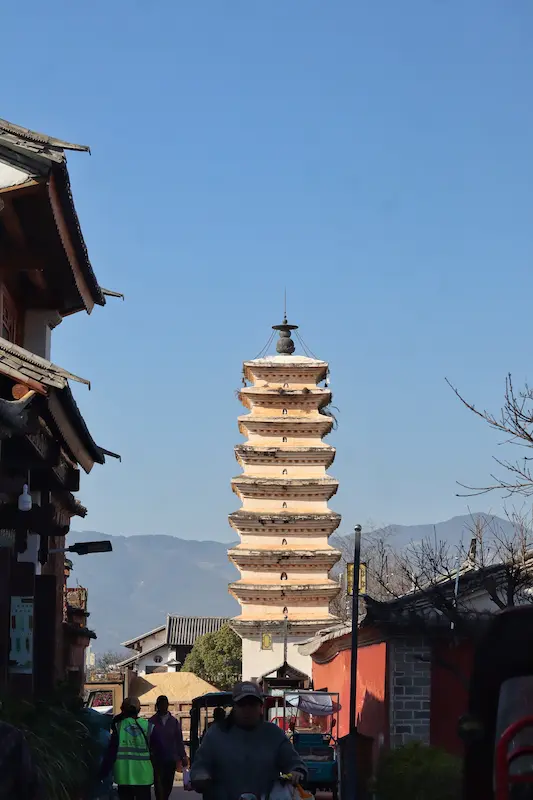
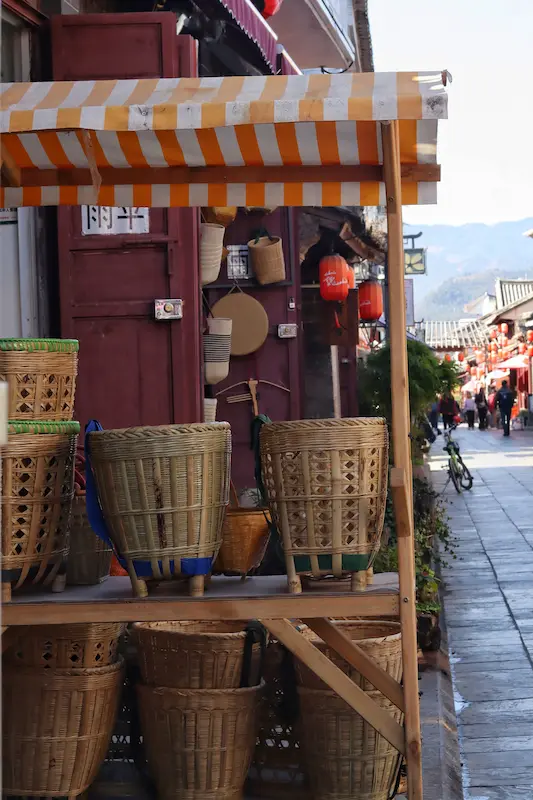
Weishan Old Town is one of Yunnan’s oldest and best-preserved towns, with a history of over 1,300 years. Once the early center of the Nanzhao Kingdom, it has long been a crossroads of culture—and that history is still reflected in its food. Influenced by Bai, Yi, Hui, and Han traditions, Weishan has developed one of the most distinctive local food cultures in Yunnan.
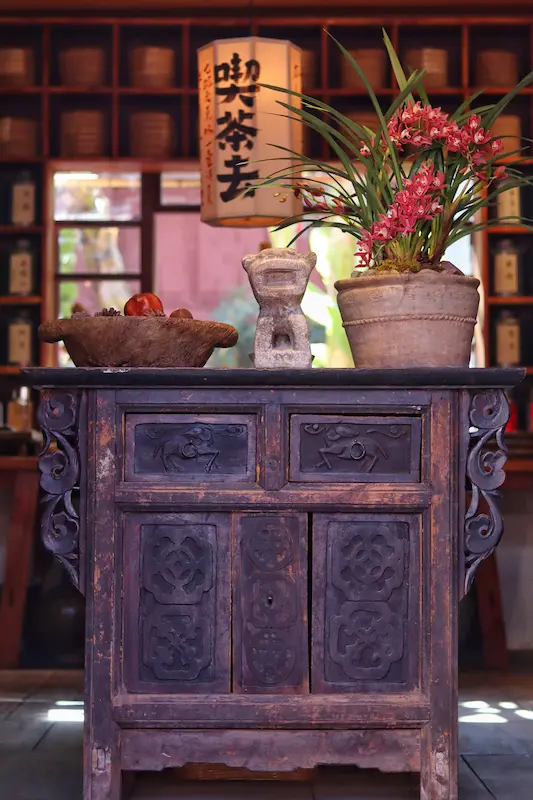
Today, the town’s quiet streets are lined not just with historic buildings, but with small family-run eateries and street stalls that have been serving the same dishes for generations. Food here is simple, local, and deeply tied to daily life—more about tradition than presentation.
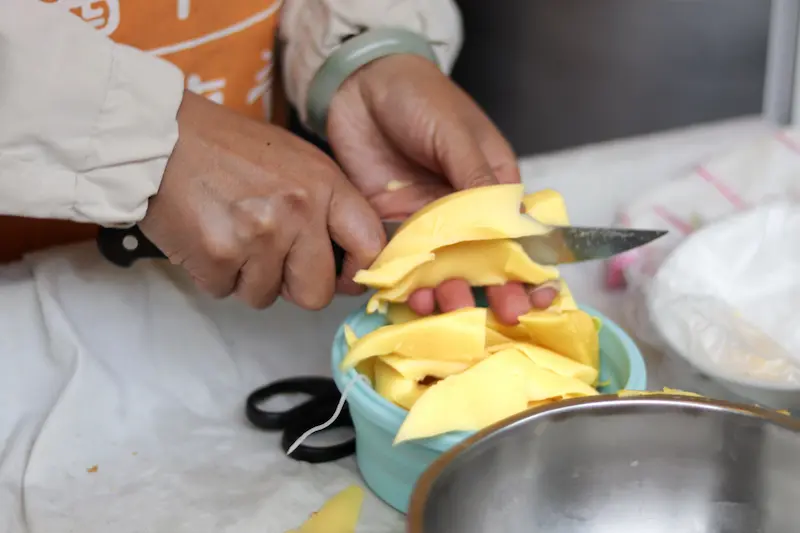
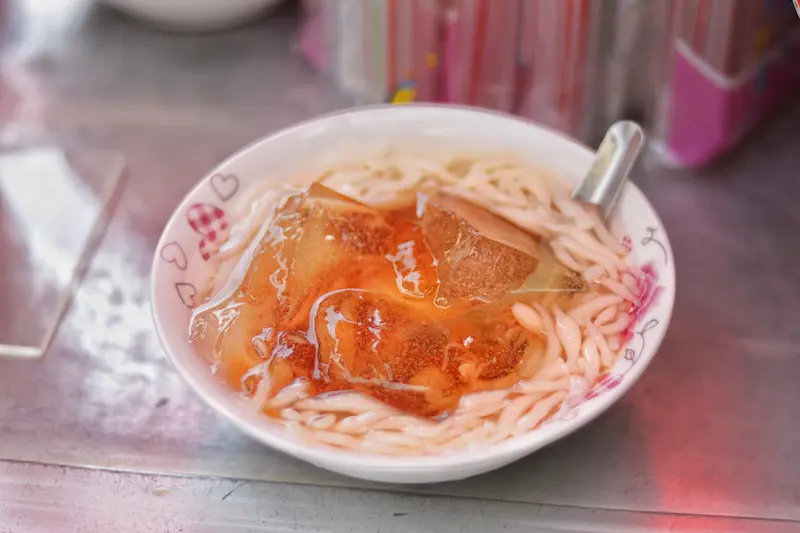
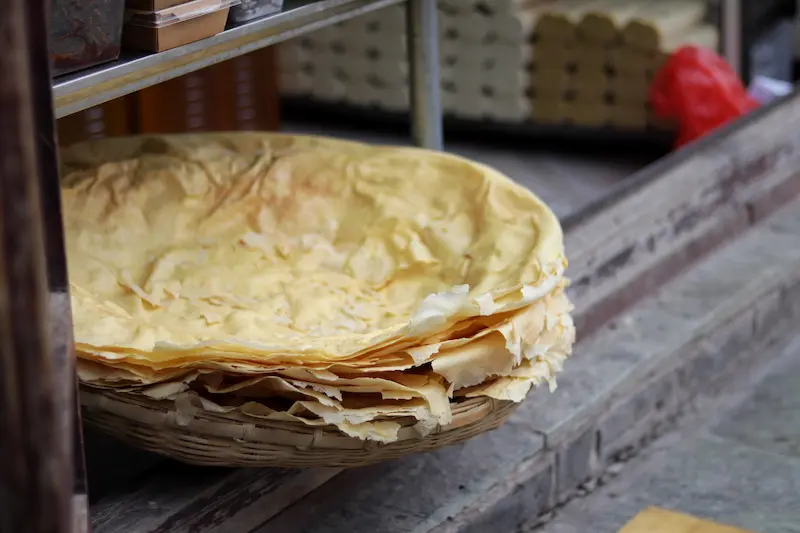
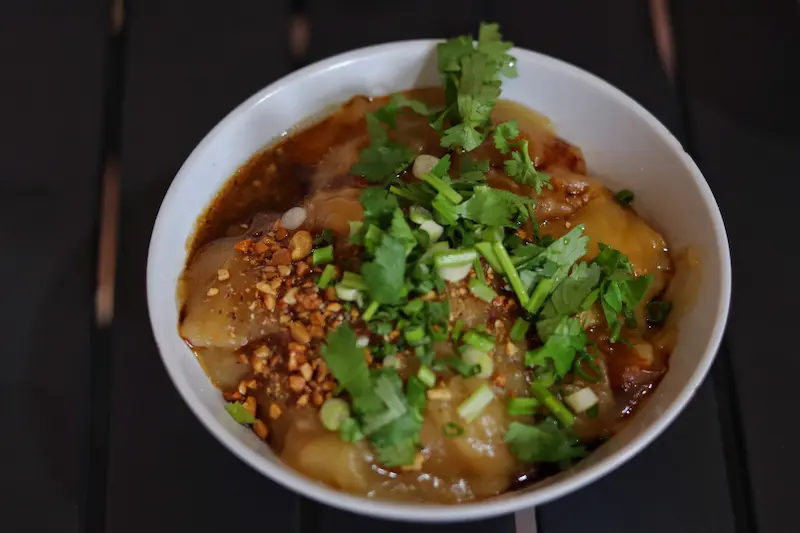
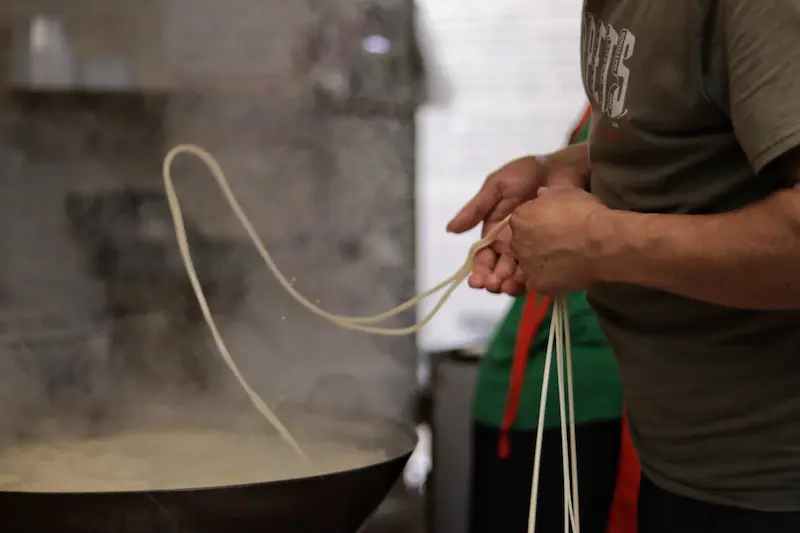
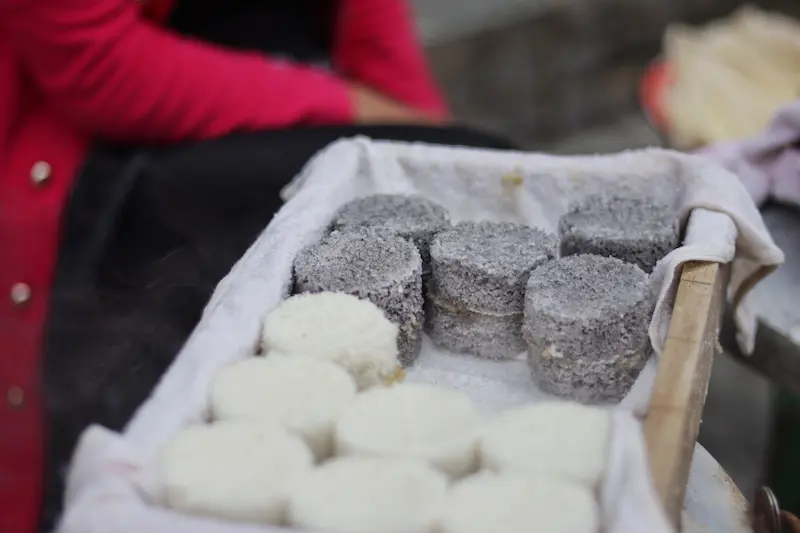
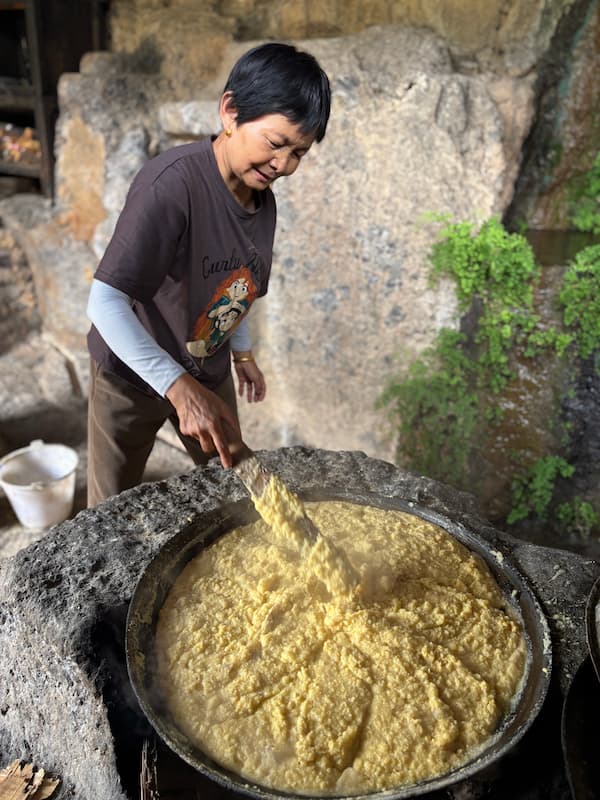
In the morning, we’ll explore Weishan through its food. You’ll sample a range of local specialties, including the famous “one-strand noodle in one bowl,” cross-the-river ersi noodles, crusted yellow pea cold noodles, and smooth yellow pea purée. Along the way, we’ll also try rice cakes, fermented quince juice, and other seasonal fermented drinks that reflect the region’s flavors and techniques.
Compared to the busier food scenes in places like Dali, Weishan offers a more grounded and authentic experience—where recipes are passed down, flavors are consistent, and food remains an everyday part of local life.
An Afternoon in a remote Yi village with a home-cooked dinner
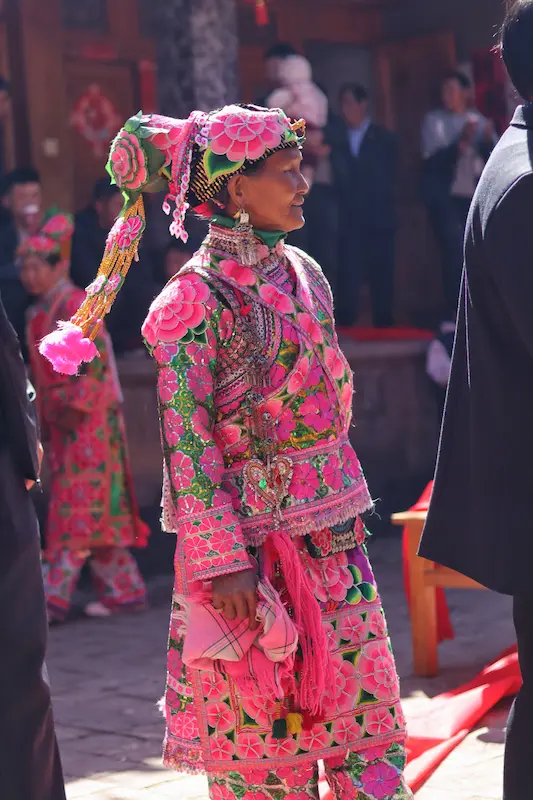
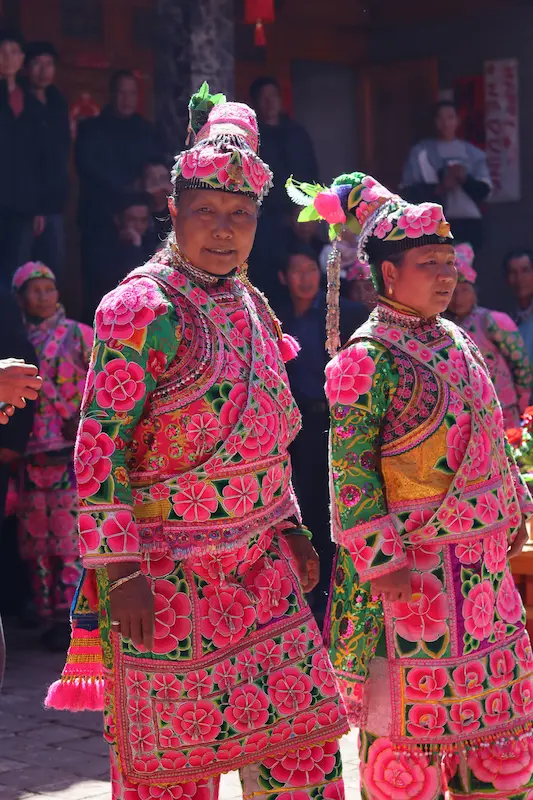
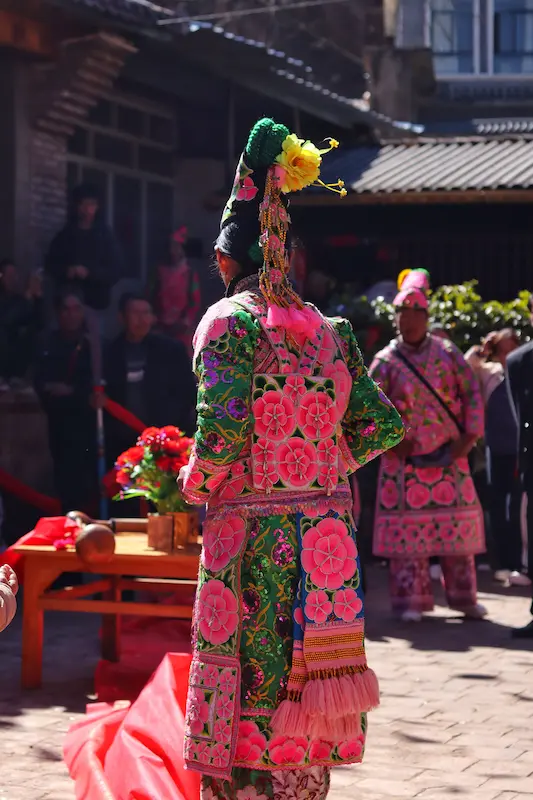
In the afternoon, we’ll head to a lightly visited Yi village just outside Weishan. The Yi are one of the 25 officially recognized ethnic groups in Yunnan—and the largest among them—living across the province’s mountainous regions.
This particular village is said to be home to descendants of the Nanzhao royal family, who fled and settled here after the fall of the Nanzhao Kingdom (8th–9th century), which was later followed by the Dali Kingdom (10th–13th century). These two regimes once ruled much of Yunnan and played an important role in shaping the region’s culture, trade, and connections along early routes like the Tea Horse Road.
Today, the village remains remote and very much lived-in, with many traditions still part of everyday life. We’ll take a relaxed walk through the village, spending time chatting with locals, observing daily routines, and noticing details like traditional Yi clothing and homes.
The visit ends with a home-cooked dinner at a local family’s house—a simple and personal way to experience Yi hospitality and village life.
Day 3
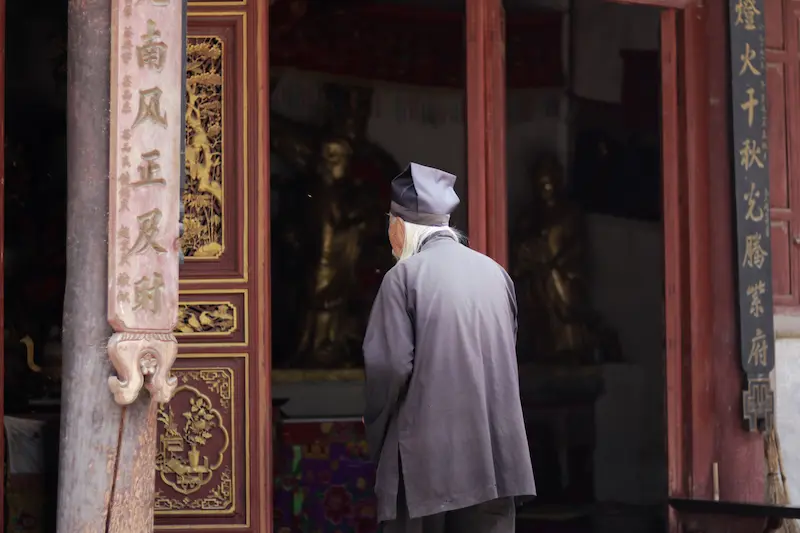
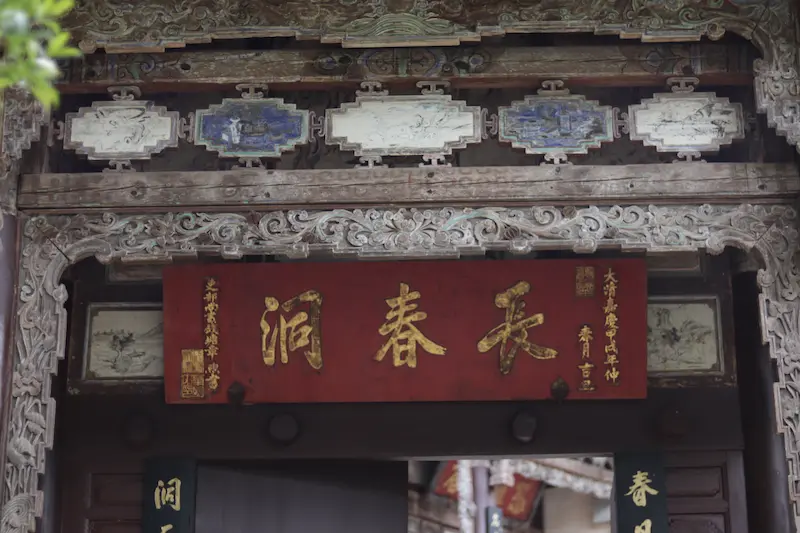
Hiking Weibaoshan: hidden trails, Daoist and Buddhist temples, and mountain views
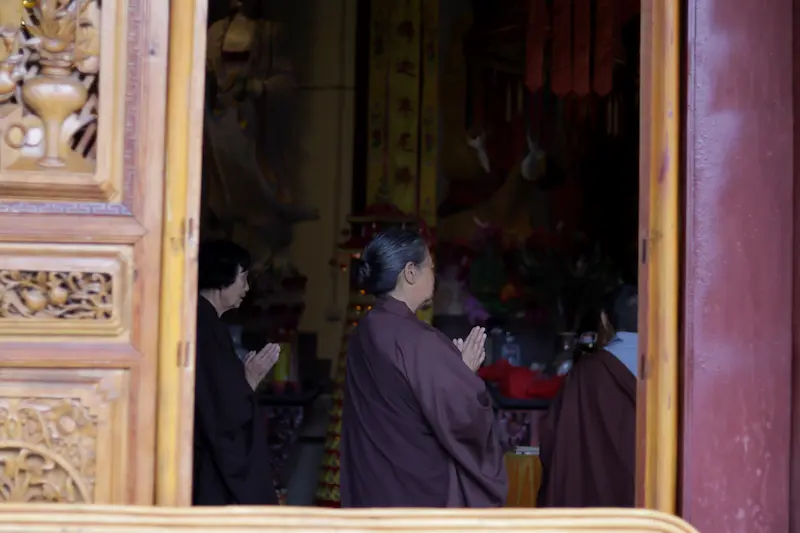
In the morning, we’ll head into the hills above Weishan for a hike on Weibaoshan, one of the most important Daoist mountains in Yunnan. Rather than taking the main tourist paths, we’ll follow smaller local trails that wind through forest and farmland, offering a quieter and more natural way to experience the area.
Weibaoshan has long been a center of Daoism, with temples and shrines scattered across the mountainside. At the same time, you’ll also find influences of Buddhism, reflecting how the two traditions have coexisted here over centuries.
The mountain is closely tied to the history of the Nanzhao Kingdom, which once ruled this region. Weishan served as an early political and cultural center, and Weibaoshan became an important spiritual site during that time. Many of the temples you’ll see today date back hundreds of years, some rebuilt and maintained through different dynasties.
As we hike, we’ll pass through quiet forest paths, small temples, and viewpoints overlooking the valley. It’s a relaxed walk with time to take in the surroundings, learn a bit about the mountain’s history, and experience a side of Weishan that most visitors don’t see.
Visit the birthplace of Yunnan’s “jumping dishes” and enjoy a live dining performance
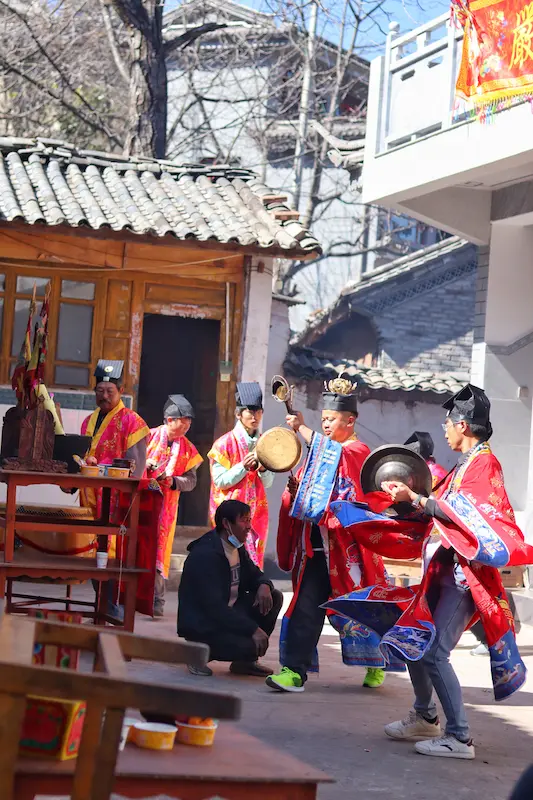
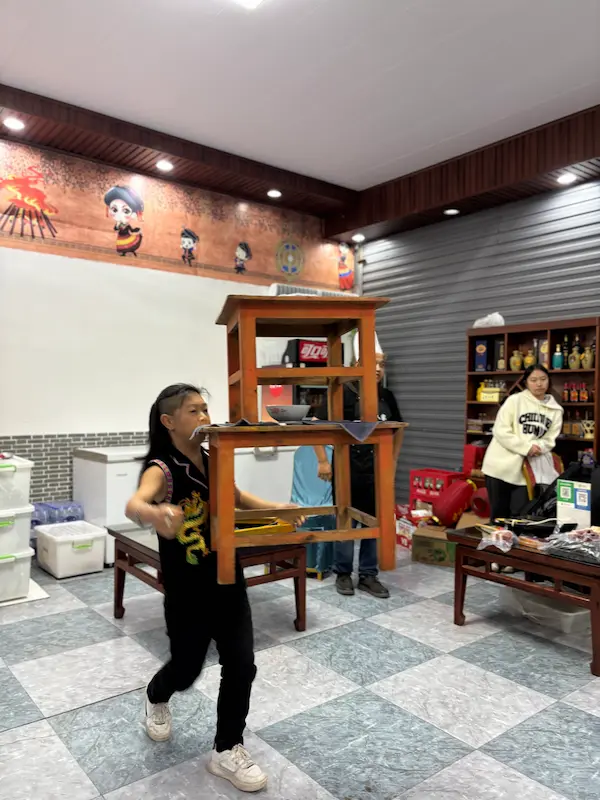
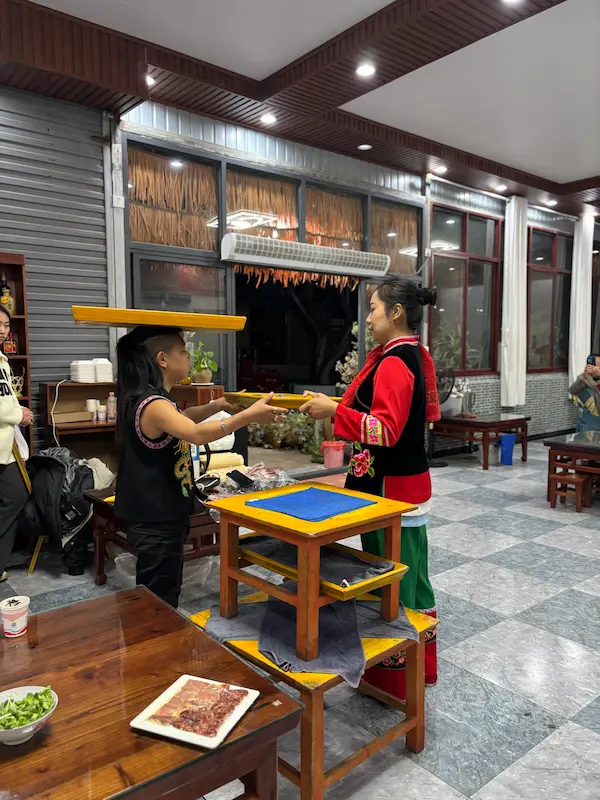
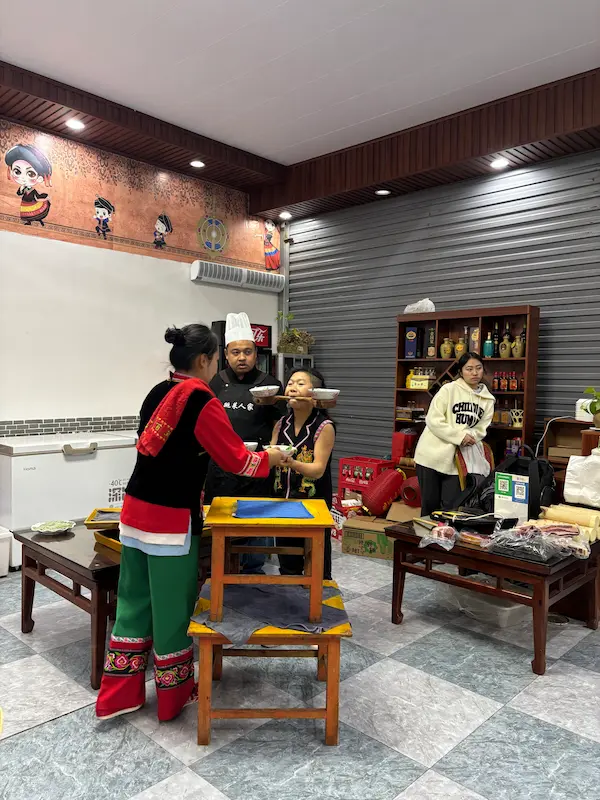
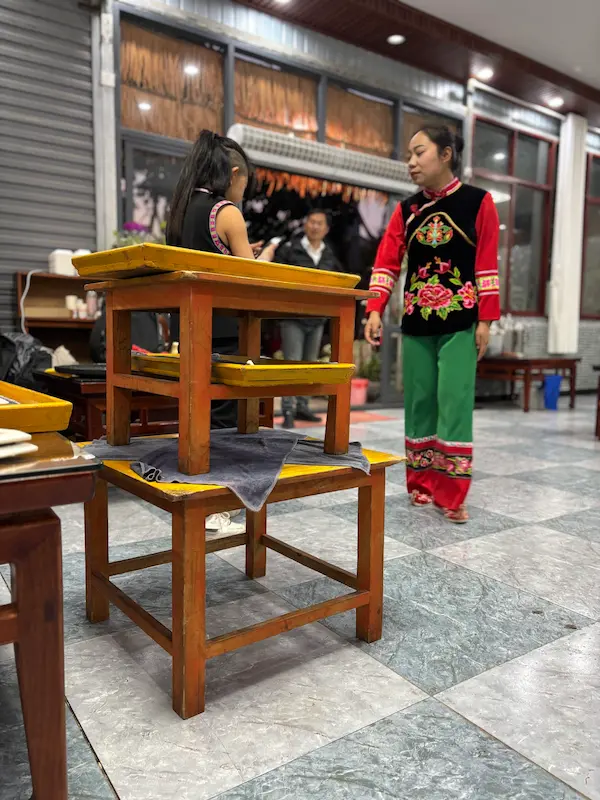
In the afternoon, we’ll head to a small town in Yunnan, widely considered the birthplace of one of the region’s most unique culinary traditions — “jumping dishes.” Rooted in Yi culture, this centuries-old tradition was originally part of weddings, festivals, and special gatherings, used to welcome guests and celebrate abundance and good fortune.
When we arrive, we’ll take some time to learn about the story behind “jumping dishes” — from its rhythmic serving style to the meaning behind the movements and sequence of each dish. It’s more than just a meal — it’s a lively ritual, where food is delivered with coordinated steps, chants, and energy, turning dining into a shared cultural experience.
In the evening, we’ll sit down for dinner and enjoy an authentic “jumping dishes” performance as we eat. Plates of home-style Yi cuisine will quite literally “dance” their way to the table, bringing not just great flavors but also a sense of rhythm, fun, and community. It’s a rare chance to experience a living tradition that’s still part of everyday life, rather than something staged just for visitors.
Day 4
A local hot spring morning in Midu with a village foot soak
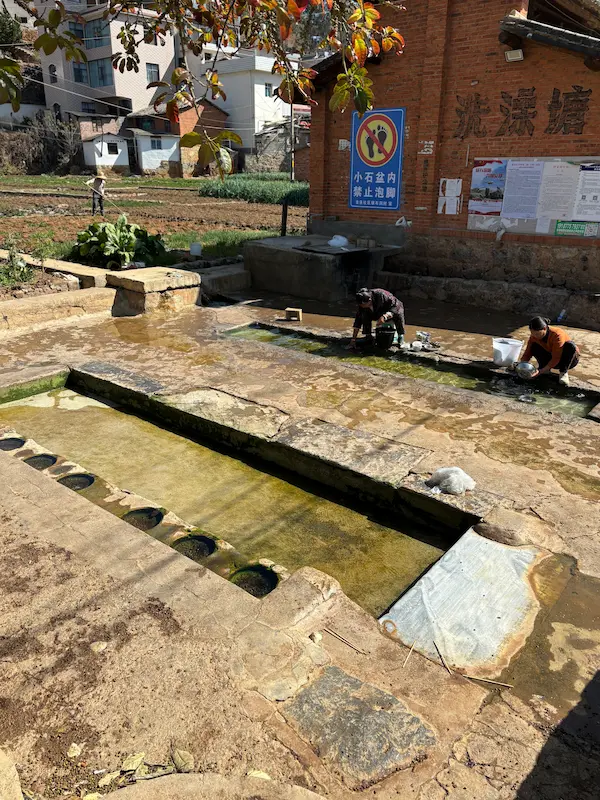
In the morning, we’ll drive to Midu, a small and lesser-visited city outside Dali, for a more local take on Yunnan’s hot spring culture.
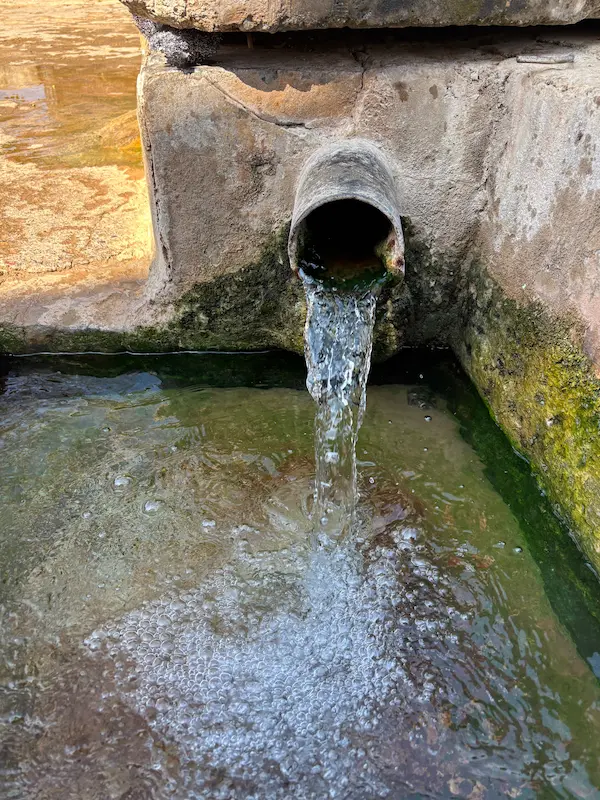
Yunnan is known for its rich geothermal resources, with natural hot springs found across much of the province. Thanks to its active geology, many towns and villages have long relied on these mineral-rich waters for daily use—from bathing to simple relaxation.
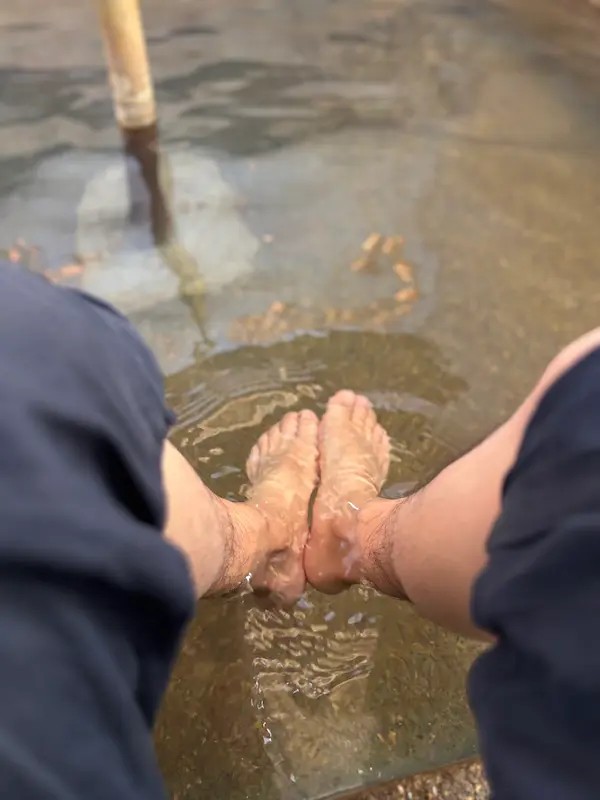
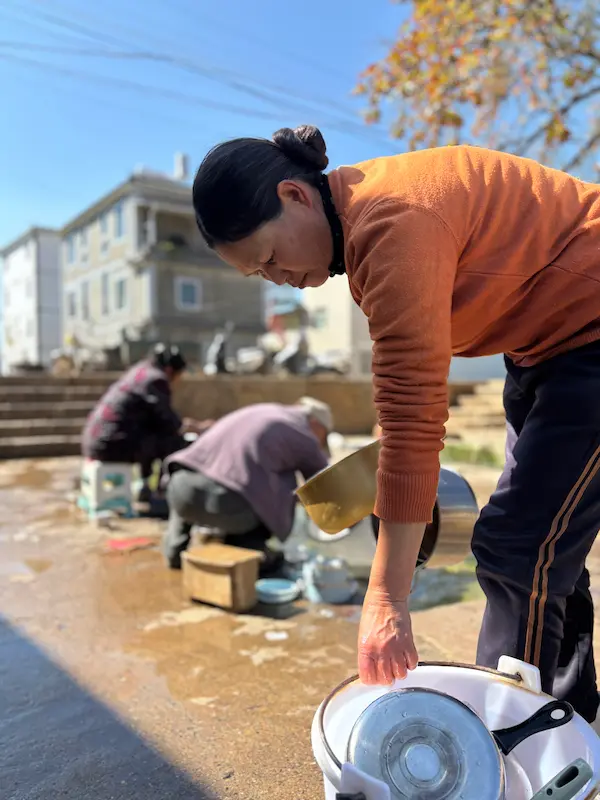
Instead of visiting a commercial resort, we’ll head to a quiet village hot spring spot where locals gather. Here, you can sit alongside residents and enjoy a simple foot bath, soaking in the warm water while observing everyday life around you.
Hands-on pottery workshop in a 600-year-old village
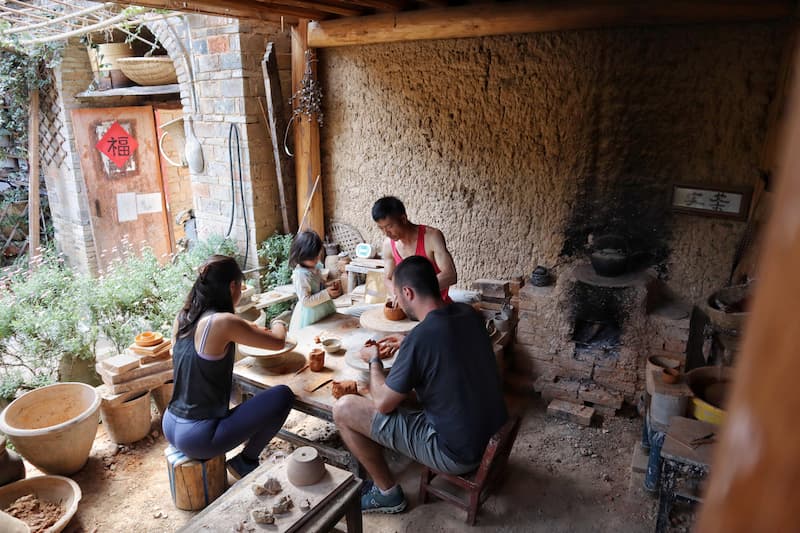
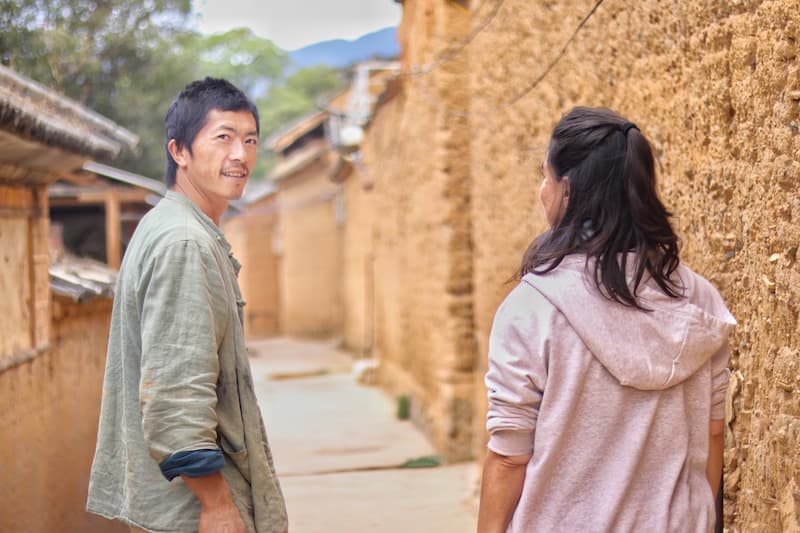
Spend time in a historic pottery village where this craft has been part of daily life for over 600 years. Known for producing everything from simple bowls to finely made ceramics, the village still keeps many of its traditional methods alive.
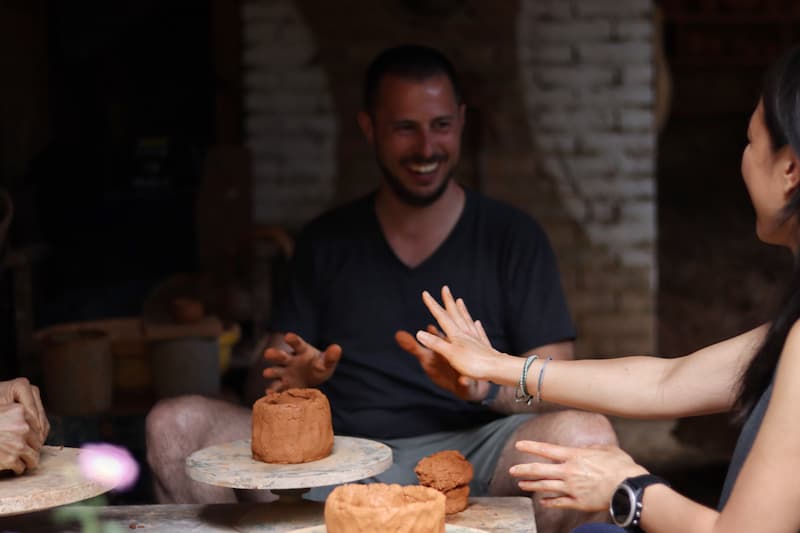
We’ll visit a local workshop to learn the basics of pottery using techniques passed down through generations. With guidance from local artisans, you’ll have the chance to shape your own piece—keeping things simple and hands-on rather than technical.
Once finished, your piece will be dried and fired in a traditional kiln, and can be shipped to you afterward.
The village is also home to around 30 preserved dragon kilns, with a handful still in use today, fired with wood. As we walk around, you’ll notice the rammed-earth houses and workshop spaces that reflect the area’s long connection to pottery and everyday craftsmanship.
Day 5
A local ethnic minority market day near Lijiang
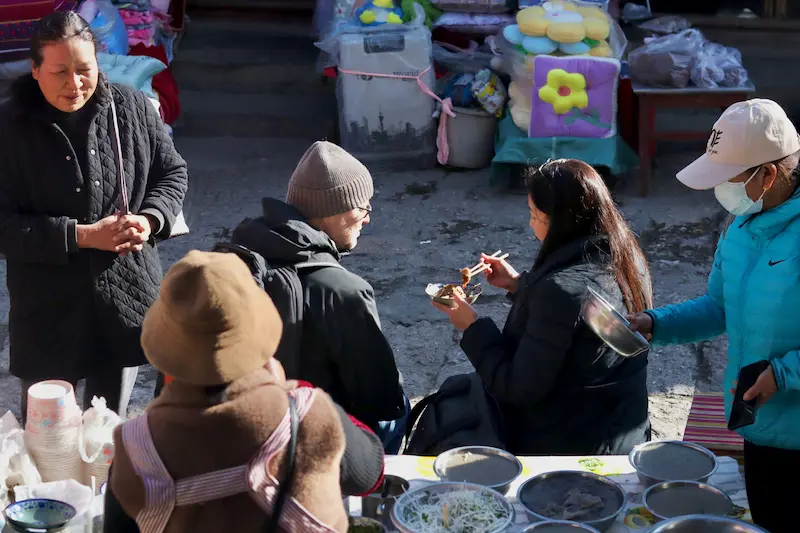
We begin the day with a visit to a local ethnic-style market. Ethnic markets in Yunnan offer a vivid window into the region’s remarkable cultural diversity. Held regularly in small towns and townships, these gatherings bring together different minority communities who travel from nearby villages to trade, socialize, and celebrate daily life.
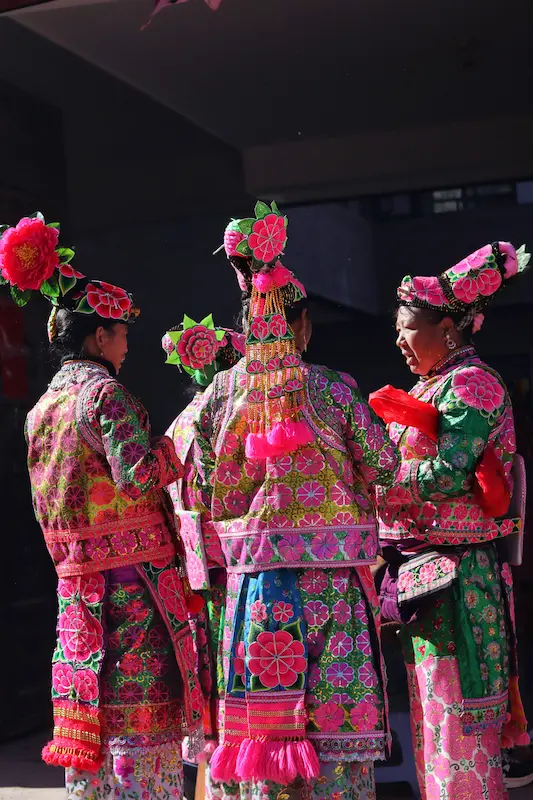
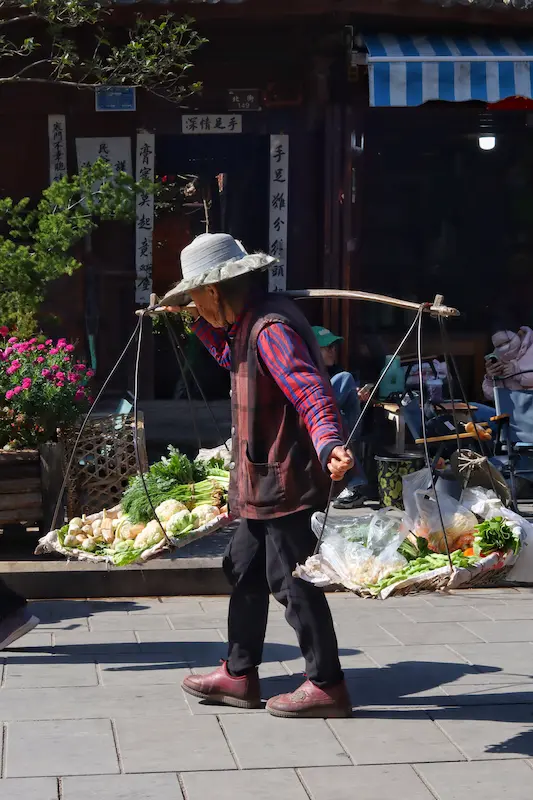
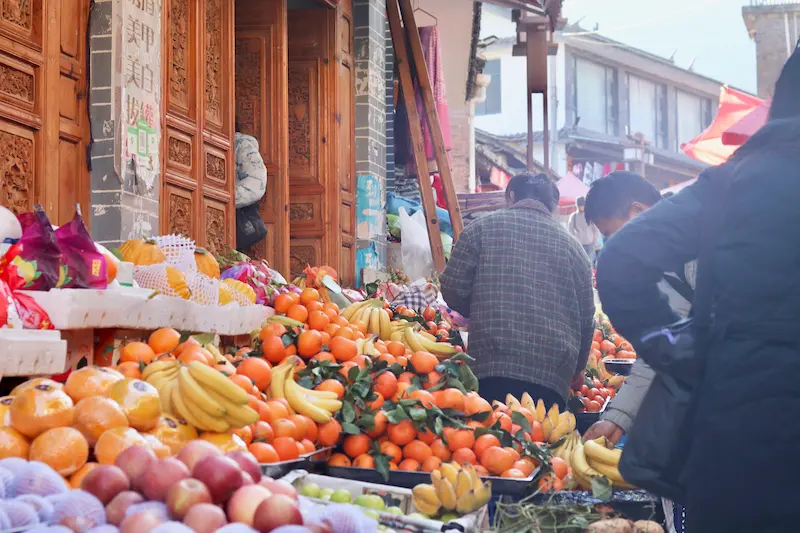
On market days, many minority women dress in their finest traditional attire, filling the streets with color, texture, and movement. Local farmers and artisans sell fresh produce, wild ingredients, handmade crafts, and everyday necessities, creating a lively atmosphere where culture is lived rather than performed.
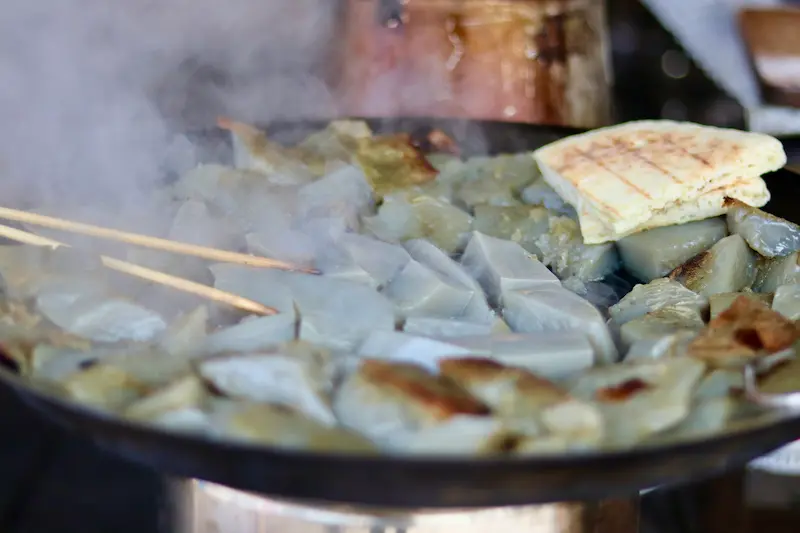
As we wander through the stalls, you’ll have the chance to sample freshly prepared Yunnan snacks and home-style dishes, cooked on the spot by villagers who move from market to market as part of their livelihood. It’s an immersive and authentic experience that brings together many of Yunnan’s cultural identities in one place.
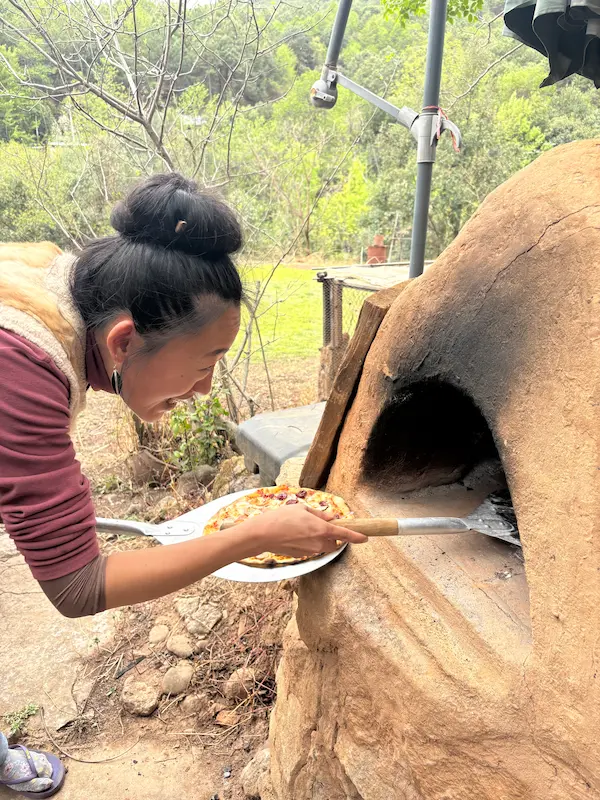
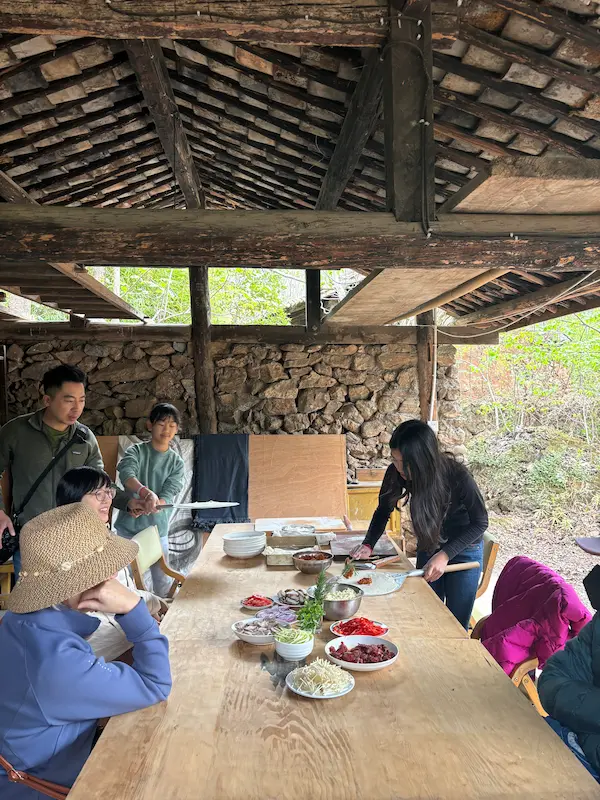
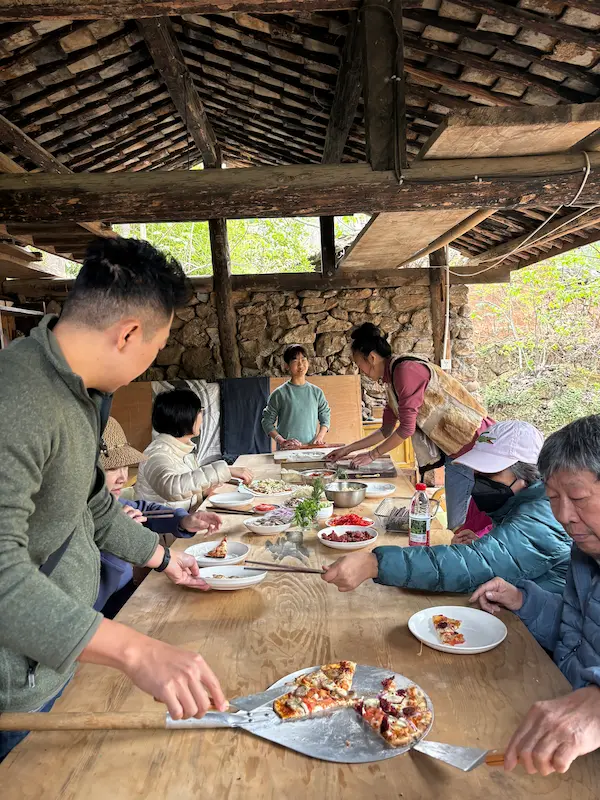
Hidden permaculture farm experience near Lijiang, pick fresh vegetables and fruits, cook with the family and bake in an earth oven
As we wander through colorful stalls, we will pick up some fresh, seasonal produce from the market. What we choose here will travel with us to our next stop, becoming part of the meal we later prepare together.
From the market, we head to a hidden permaculture farm tucked into the countryside outside Lijiang. Walking through the farm, we learn how the land is cared for in a natural, regenerative way—how soil, plants, water, and animals work together as one system. Everything here follows the rhythm of the seasons rather than rigid rules.
Depending on what’s growing, we’ll harvest fruits and vegetables directly from the garden, using them to prepare lunch. Cooking is a shared, hands-on experience, done slowly and simply, with ingredients picked just moments before.
In addition to lunch, we’ll roll up our sleeves to bake our own pizza or bread in a traditional wood-fired earth oven. From tending the fire to shaping the dough, the process is as much about connection as it is about food.
Day 6
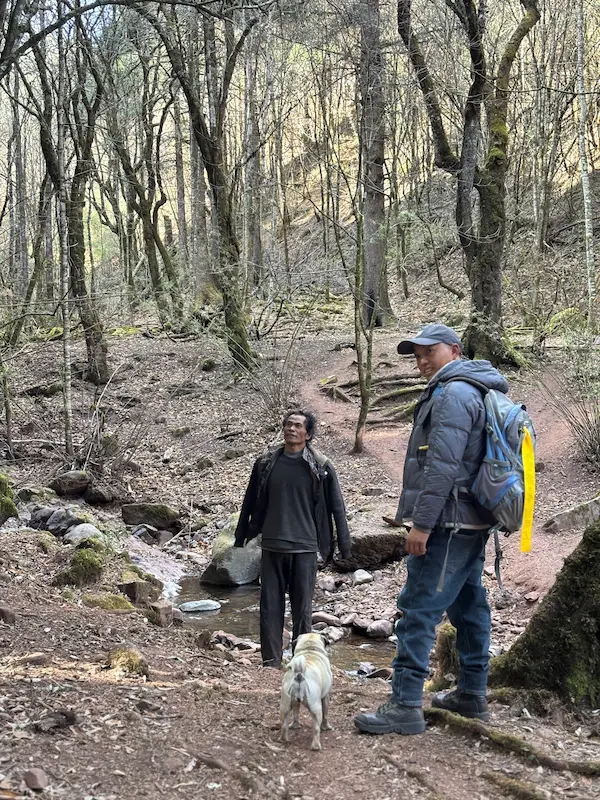
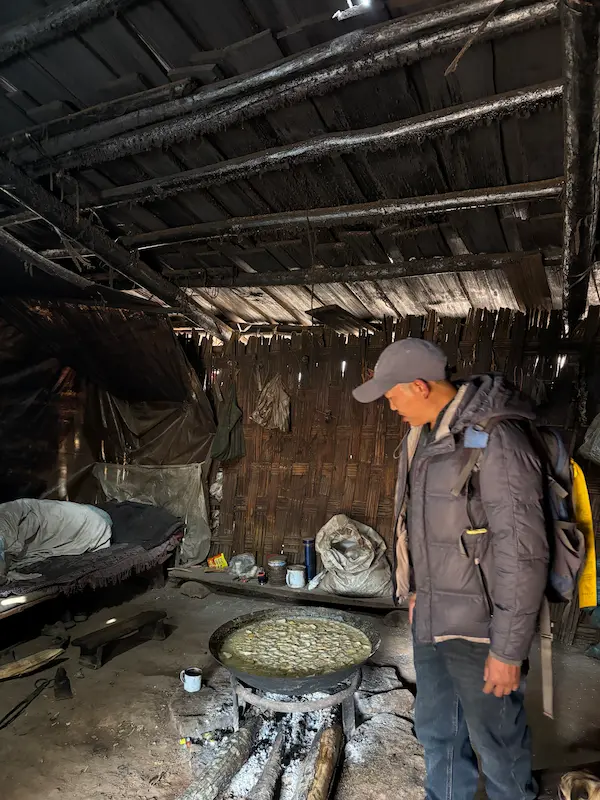
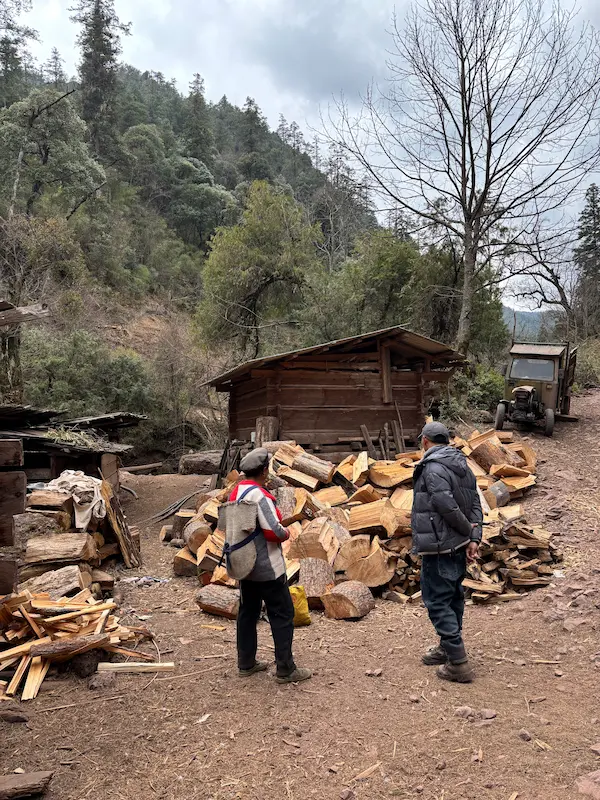
Hiking and foraging in primary forests with a local Lisu guide
Our local Lisu guide will lead us into the nearby primary forest for a unique hiking and cultural experience.
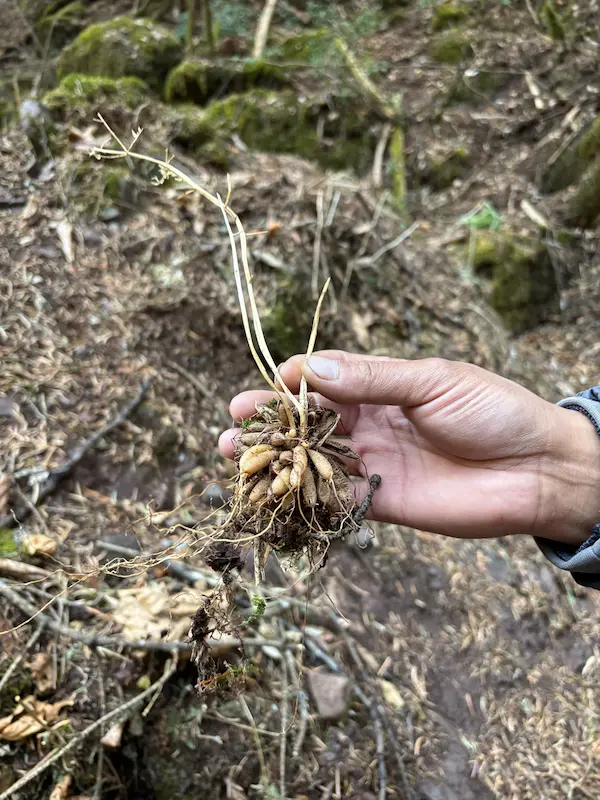
As we walk along shaded forest trails, surrounded by rich biodiversity, the guide will introduce us to a wide variety of native plants, trees, and seasonal forest ingredients. You’ll learn how to identify different species found in these ancient forests, and gain insight into how the Lisu people have long relied on this environment for food, medicine, and daily living.
Along the way, the guide will share stories of their community—covering traditions, beliefs, and the rhythms of life in the mountains. This is not just a hike, but a deeper cultural exchange, offering a rare glimpse into the Lisu way of life and their close relationship with the natural world.
Depending on the season, we may also come across wild herbs, edible plants, or mushrooms, further highlighting the richness of the landscape and the importance of local knowledge in navigating it safely.
Day 7
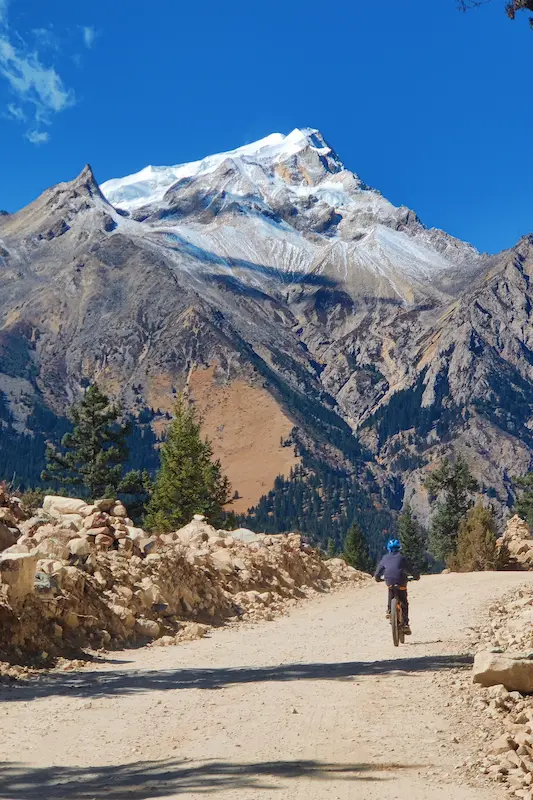
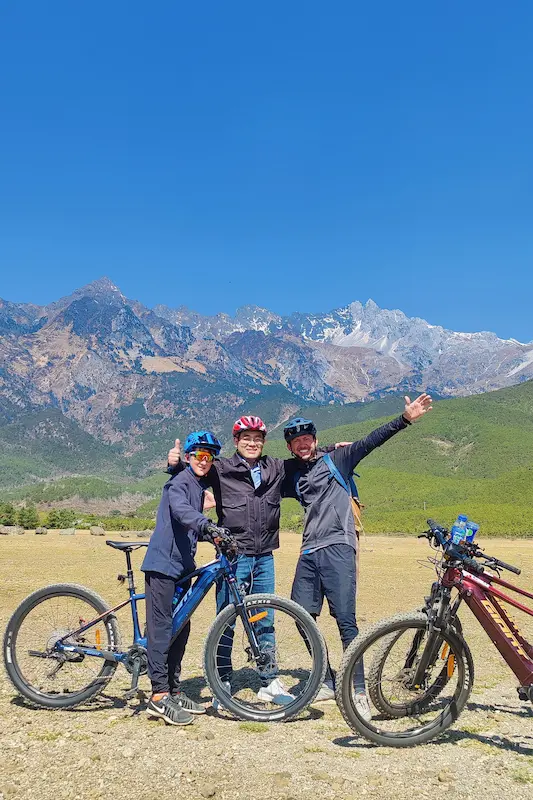
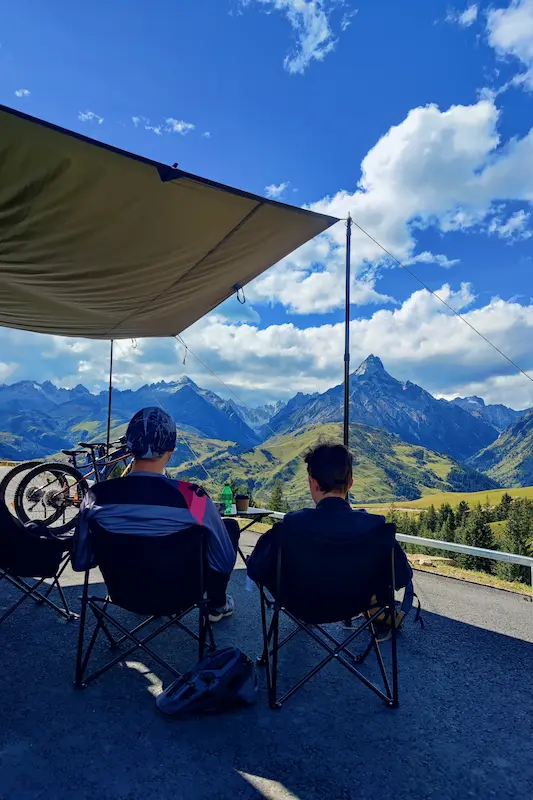
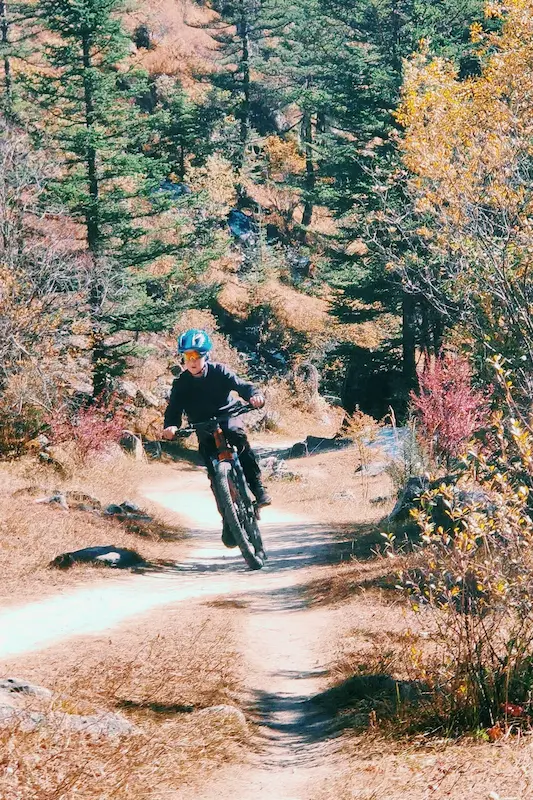
Electric mountain bike ride around Lijiang villages and lakes
This half-day trip is a relaxed electric mountain bike ride around the countryside of Lijiang, taking you through small villages, open farmland, and quiet lakeside paths. With the help of e-bikes, the ride is easy and comfortable, making it suitable for most ages and fitness levels.
We’ll cycle along scenic backroads, passing local homes, fields, and everyday village life. The route gently winds through the landscape, with plenty of time to stop, take in the views, and enjoy the slower pace.
Throughout the ride, the towering Jade Dragon Snow Mountain stays in the background, adding a dramatic alpine backdrop to the journey.
This is less about speed or distance, and more about enjoying the surroundings—an easy, active way to experience a different side of Lijiang beyond the old town.
A hands-on copper craft workshop in the town of copper and silver
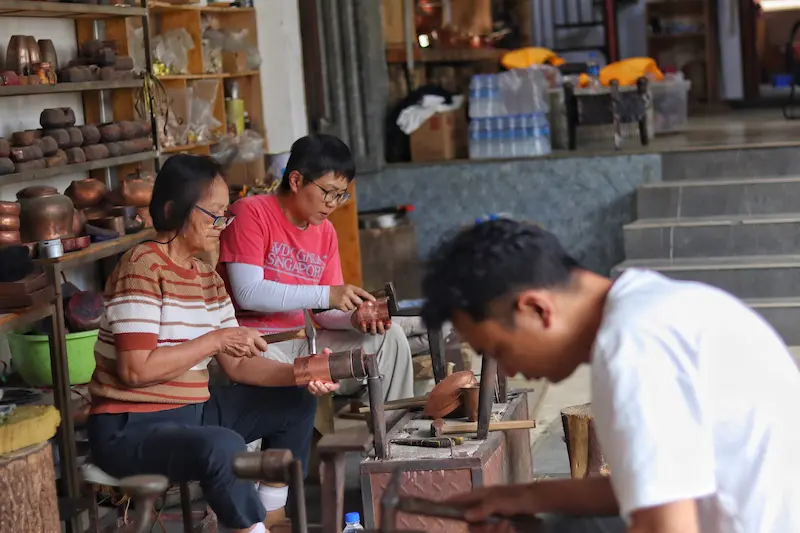
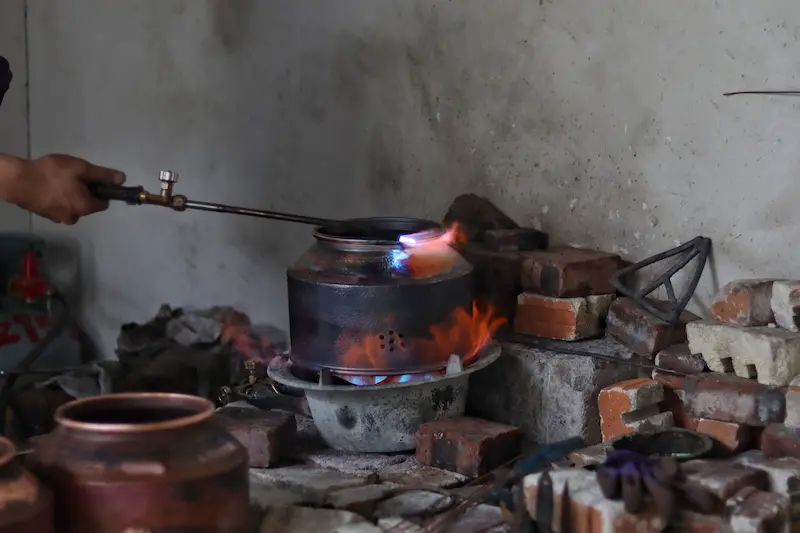
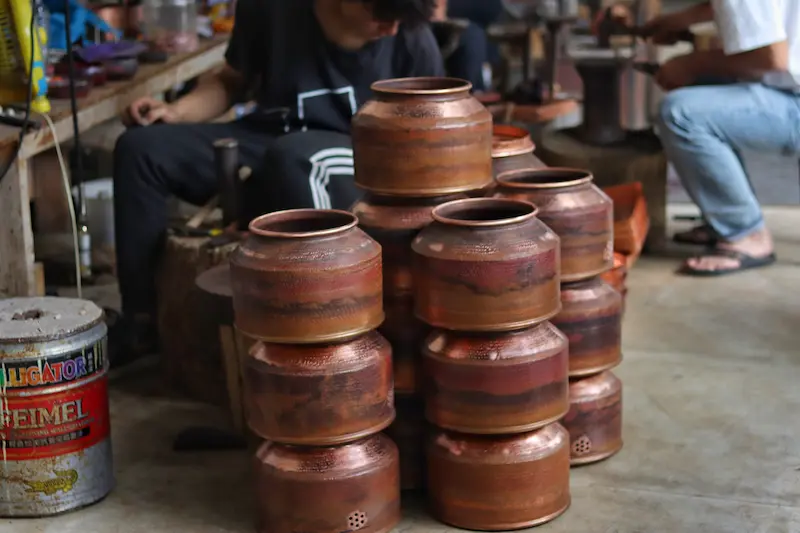
In the afternoon, we continue our journey to the nearby town of Heqing. Heqing is well known for its long tradition of silver and copper craftsmanship. Once we arrive, we’ll head to a local village, where much of this work is still done today. We’ll start with a quick visit to a small local museum to get a sense of the history and craftsmanship in the area.
After that, we’ll visit a local family workshop to see how these pieces are made. You’ll have the chance to try it yourself and make a simple copper coffee mug with guidance from the artisans. It’s a relaxed, hands-on experience and a nice way to understand the craft beyond just seeing it.
You’ll be able to keep your piece as a reminder of your time in Heqing.
Day 8
Remote Naxi stone village walk above the Jinsha River
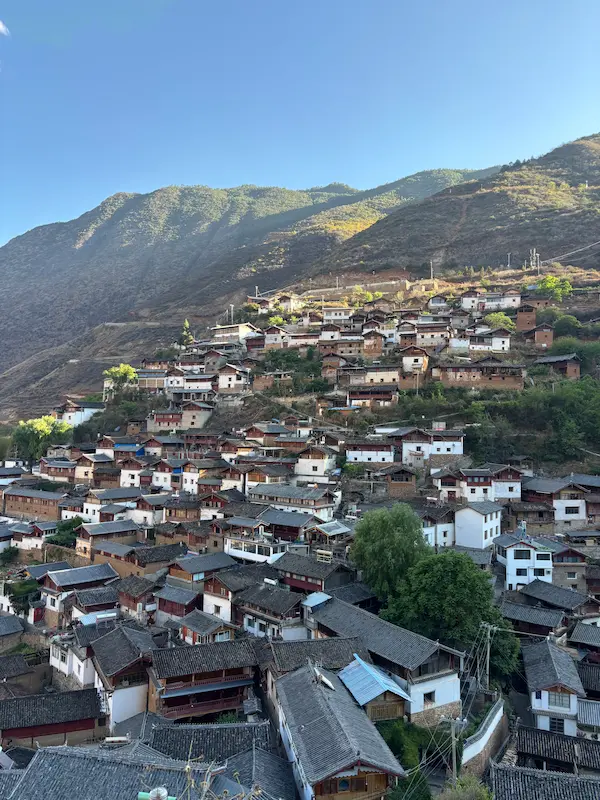
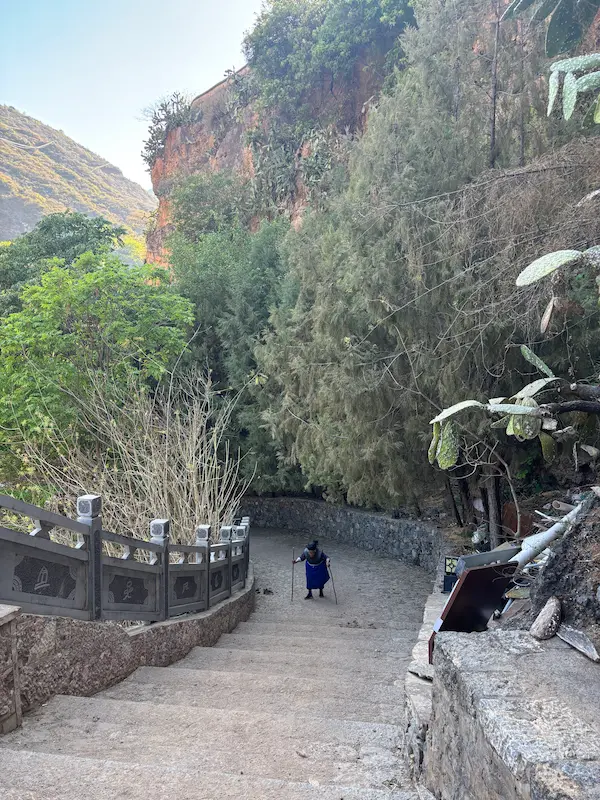
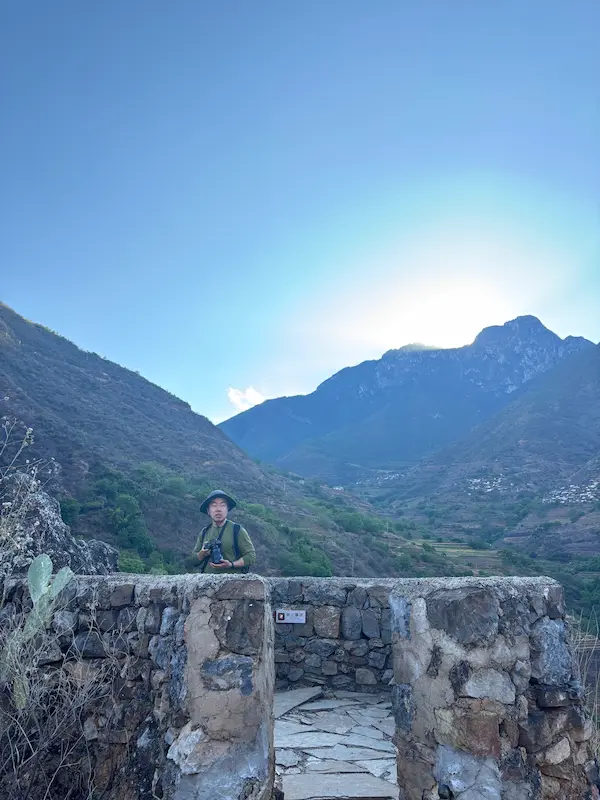
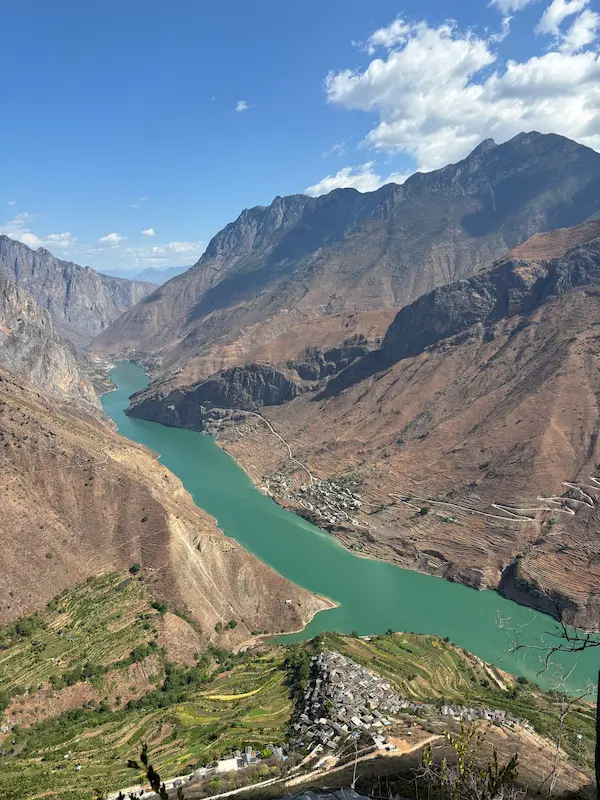
In the morning, we’ll drive out to a remote Naxi village that most travelers never make it to, tucked deep into the mountains. Sitting on top of a massive rock formation, the village is naturally protected by steep cliffs on three sides, with the Jinsha River flowing below on the fourth. It’s only accessible through a couple of narrow stone gates, which adds to its quiet, self-contained feel.
The village dates back to around the 1200s, and much of it still looks the same today, with sturdy stone houses and narrow pathways winding through the settlement. There’s also an interesting piece of history here—during the Mongol expansion into Yunnan, troops are said to have crossed the river at this point with the help of local Naxi villagers using bamboo rafts, stopping here before continuing on toward Lijiang.
We’ll take a slow, easy walk through and around the village, following small paths that lead past homes, along the cliffs, and out toward viewpoints over the river. Along the way, you’ll get a sense of both the landscape and the daily life that continues here.
Day 9/10
Two-day hike along the Jinsha River with Naxi village stays
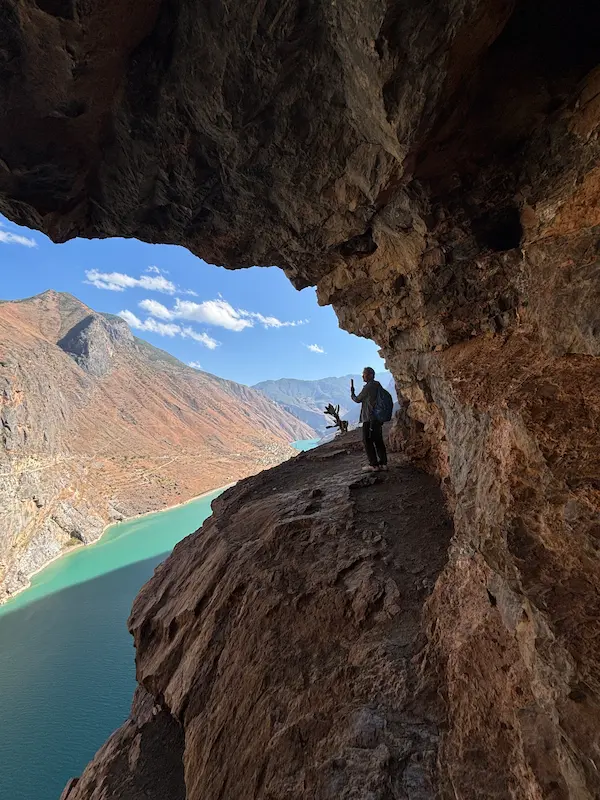
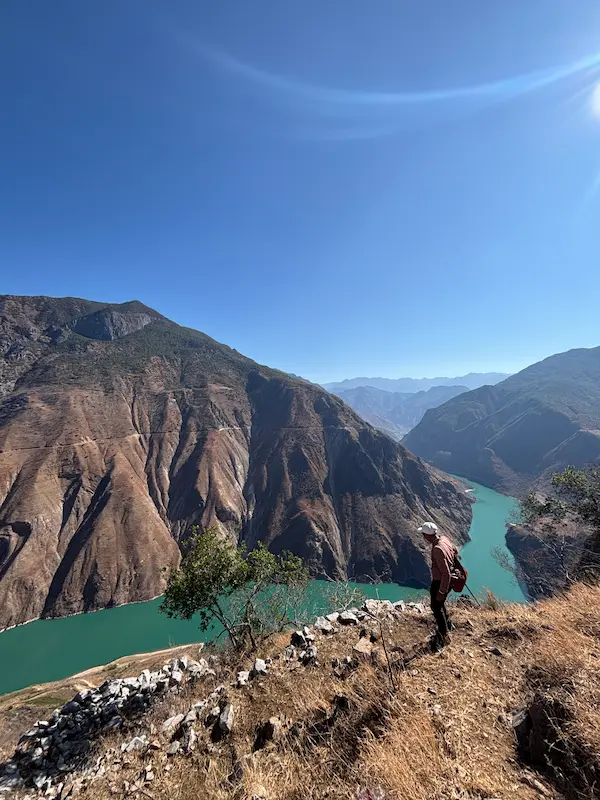
Today we set off on a two-day hike through one of the wildest and most scenic parts of Yunnan, following trails along the Jinsha River valley. The Jinsha is the upper stretch of the Yangtze River, cutting deep through mountains and shaping some of the most dramatic landscapes in the region.
Starting from the stone village, we’ll hike along quiet paths guided by local Naxi guides from nearby villages. This is a lightly visited route, and along the way we’ll pass through small settlements where daily life continues much as it has for generations. We’ll stop in different villages for meals and spend the night in simple local accommodation, making the experience feel more connected and personal.
The trail offers constant views of the river below, rugged cliffs, and changing landscapes, with plenty of time to walk at a relaxed pace and take it all in.
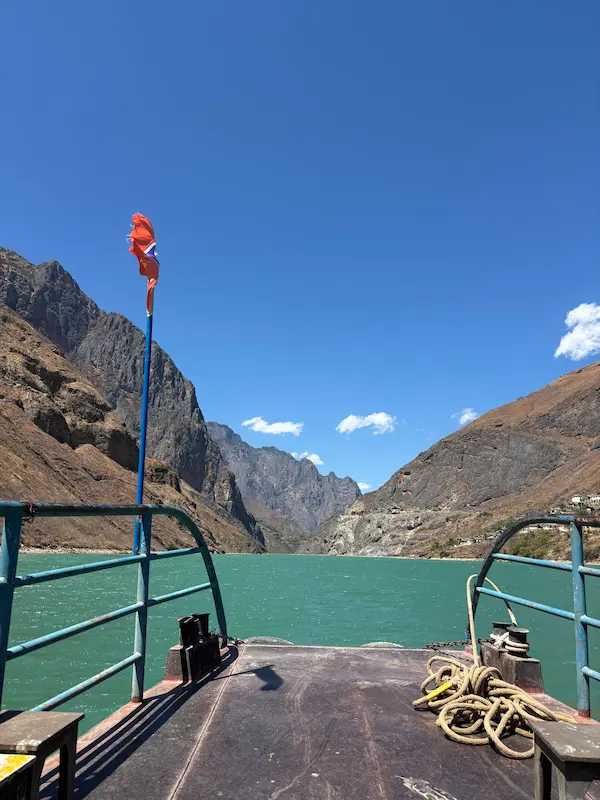
To finish the journey, we’ll hop on a local vehicle and ride along the Jinsha River with a villager, seeing the same landscape from a different perspective before heading onward.
Day 11
Check out of your hotel and continue your Yunnan journey at your own pace, or transfer to the airport or train station for your journey home.
We will commence our journey in Weishan, Dali. Kindly ensure your arrival in Dali for first dinner and hotel check-in.
We prioritize locally sourced, plant-forward, and organic ingredients, advocating for a low-carbon, eco-friendly, and healthy diet. The meals provided during the tour will predominantly consist of plant-based options, supplemented by select high-quality local non-vegan choices or fully vegan alternatives. We accommodate vegan, vegetarian diets, gluten-free or other requests.
Throughout the tour, public or local-style restroom facilities are accessible, while western-style toilets are predominantly available in hotels and large shopping complexes.
For a more authentic experience and to really support the local business, we usually choose clean, characteristic and comfortable local accommodation over international hotels, but when there are no local options, we would stay in regular local or international hotels. Every room is usually shared by two people. For single room supplement, please consult us prior to booking for pricing.
Ensure you pack comfortable footwear, waterproof hiking boots, a rain jacket, a swimsuit, towels, a toothbrush. Additionally, we suggest bringing along a reusable shopping bag.
Reusable bowls, bamboo chopsticks, spoons will be provided for guests. However, we strongly encourage you to bring your own reusable items.
As part of our eco-friendly initiative, we will furnish you with an eco-travel gift box for use during the tour. This includes items such as a bamboo toothbrush, tooth tablets, and soap bars.
During this tour, our guide will introduce you to our low impact lifestyle. We will assist you in minimizing the use of single-use plastic disposables by encouraging refusal and offering alternatives.
Price List Varies by Group Size
Tour Type: private tour
1500-3000 RMB per person per day
please consult us first about the pricing prior to booking
- All Food and Water(Breakfast, lunch, dinner and snacks)
- All Workshops
- Tickets to all the Sights(included in the tour)
- Experienced Local English-Speaking Guide
- A Private Electric Car or Van with Professional and Responsible Driver
- Airport or Train Station Pickup
- Accommodation(10 nights)
- Mandatory Insurance
【Price Includes】
- Tips (Optional)
- Souvenirs and Personal Expenses
- International/Domestic Flights or Trains
【Price Excludes】
Interested in a Custom Dali & Lijiang Yunnan Trip?
The Dali–Lijiang route is one of the most well-known ways to experience Yunnan, and for good reason. These regions offer a strong mix of landscapes, cultures, and history, and are relatively easy to access for most travelers. At the same time, much of what makes this area truly special lies just beyond the main towns and popular sights.
This journey is designed to focus on Dali and Lijiang, while taking you off the beaten path—into quieter villages, mountain landscapes, and more local settings. You’ll still experience the essence of the region, from its diverse ethnic cultures to its food and scenery, but in a way that feels more grounded and less crowded.
Along the way, expect time in local markets, visits with artisans and families, village walks, light hikes, and hands-on experiences rooted in everyday life. These moments offer a deeper connection to the places you visit, going beyond just sightseeing.
Each itinerary is carefully planned but remains flexible, allowing space to slow down, adjust along the way, and spend more time where it matters. The focus is on depth rather than distance.
📩 Get in touch, and let us design your Dali–Lijiang journey—an experience that explores the region beyond the usual highlights and into a more personal side of Yunnan.
- Best Season: Dali and Lijiang can be visited year-round. Spring (March–May) and autumn (September–November) offer the most comfortable weather and clear mountain views. Summer (June–August) is greener and more vibrant, with an abundance of wild plants and mushrooms. Winter (December–February) is slightly cooler but still very comfortable with crisp and clear days.