
Dehong-Baoshan
Dehong to Baoshan: Cultures, Forests & Flavors of Yunnan
Price Varies by Group Size
8 Days 7 Nights
Friendly to All Age
1-10 Pax
Step into the lesser-seen side of Yunnan on this 8-day eco-cultural journey through the wild, warm southwest. Starting in Mangshi, near the Myanmar border, you’ll hike through Phayre’s langur habitat, learn macrame from De’ang women, browse vibrant ethnic markets, and cook with local families in Tengchong. Soak in natural hot springs, walk the Southern Silk Road, make your own paper, and trace the region’s rich tea and coffee heritage—visiting both ancient tea forests and sustainable coffee farms in the Gaoligong Mountains. This trip is a rare blend of biodiversity, craftsmanship, wellness, and living tradition—perfect for travelers who seek connection, flavor, and authenticity off the beaten path.
Tour Highlights
- Search for Phayre’s Langurs in a Nature Reserve
- Connect with De’ang Culture Over Food and Sour Tea
- Explore a Vibrant Ethnic Farmers’ Market
- Cook Tengchong’s Legendary “Dajiujia” with a Local Family
- Try Handmade Papermaking in a Village
- Hike a Daoist Mountain in Tengchong
- Birdwatch and Trek Through the Jungles
- Visit a Closed-Loop Organic Coffee Farm
- Pick Tea Leaves and Lunch with a Local Tea Family
Day 1
Arrive in Mangshi, Dehong
Check in your hotel and free time for leisure before group dinner
Mangshi is a vibrant city in southwestern Yunnan, near the border with Myanmar. Known for its tropical climate, rich ethnic diversity, and beautiful landscapes, Mangshi is home to the Dai, Jingpo and De’ang peoples, whose colorful cultures shape the city’s unique atmosphere. Visitors can explore golden pagodas, lush forests, and lively local markets. With its warm weather, relaxed pace, and Southeast Asian charm, Mangshi offers a refreshing glimpse into a lesser-known but fascinating part of China.
Day 2
Morning-In Search of the Phayre’s Langur
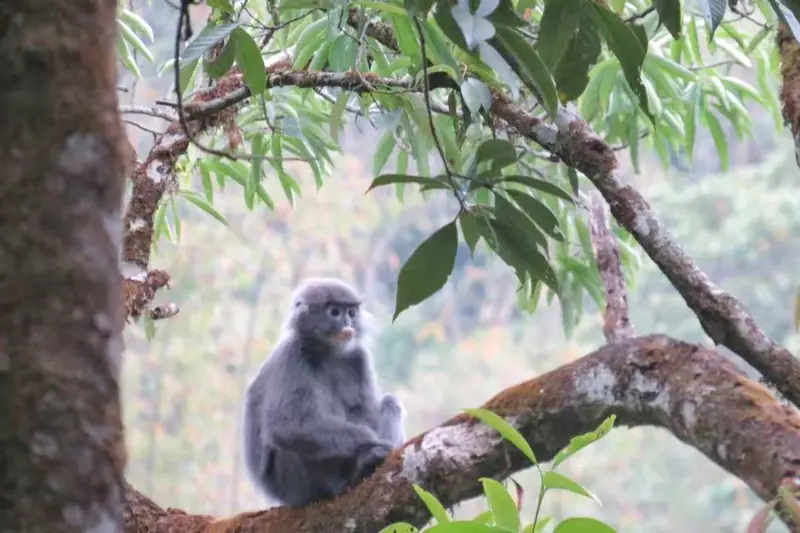
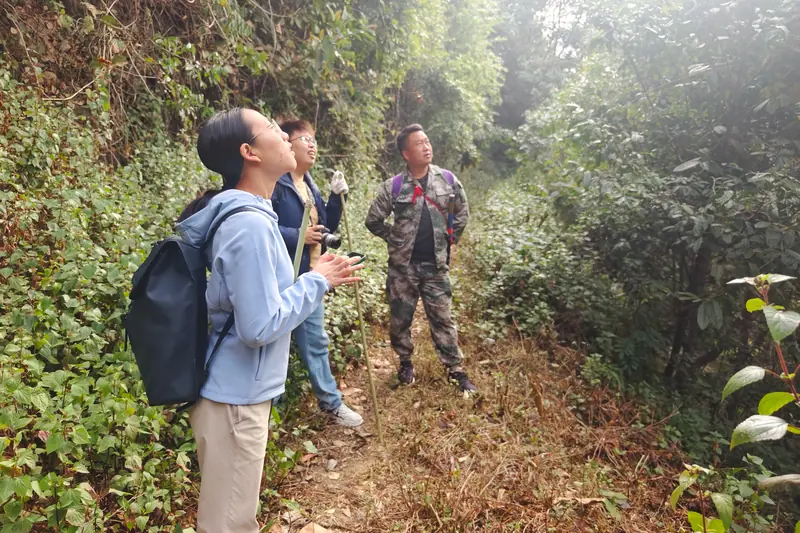
Join us for a guided nature hike through the beautiful Mangxinghe Nature Conservation Area, one of the few places in Yunnan working to protect the endangered Phayre’s Langur, a rare and elusive leaf-eating monkey found only in this corner of Asia.
Led by local rangers and conservation staff, this experience offers a deep look into the community-based efforts to safeguard one of China’s most threatened primates. Along the trail, you’ll learn about the ecology, threats, and behaviors of the langur and gain insight into the unique biodiversity of Yunnan’s tropical forests.
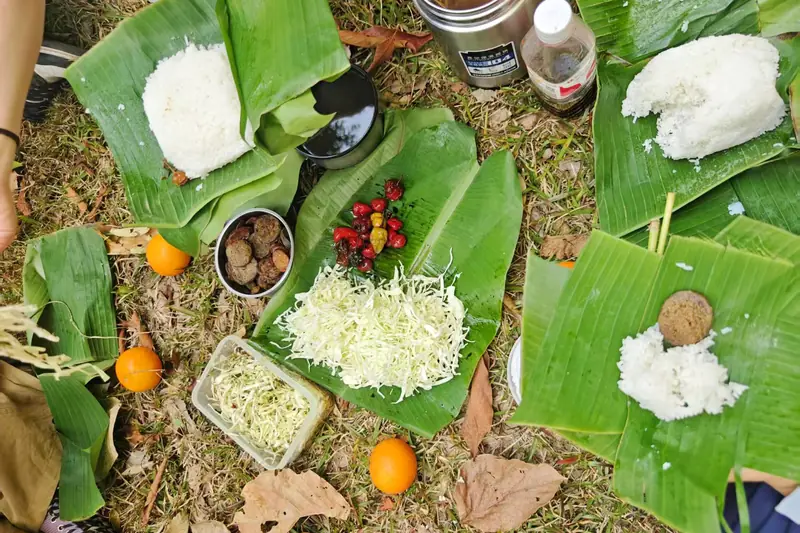
While sightings of the langurs are not guaranteed—they are shy and move in small groups—walking through their protected habitat is a memorable experience in itself. We’ll end with a picnic lunch prepared by the rangers, featuring local seasonal ingredients and forest views.
Visit a De’ang ethnic village in the afternoon and dinner with a De’ang local family
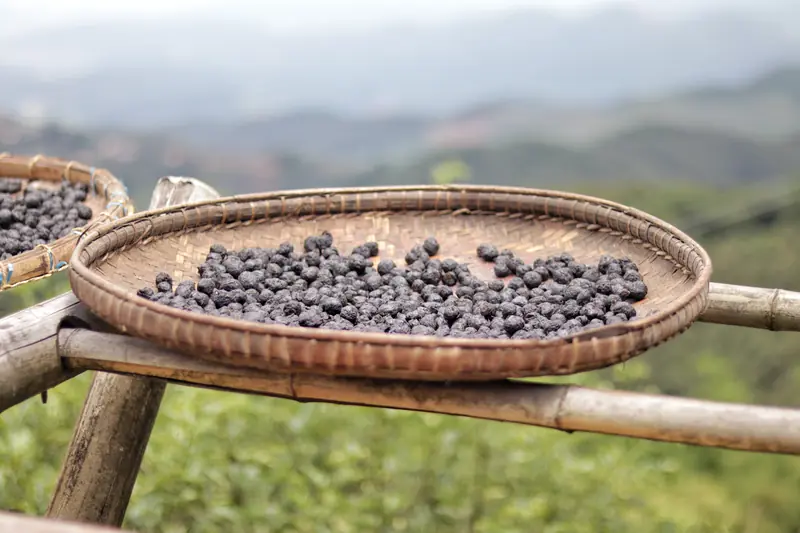
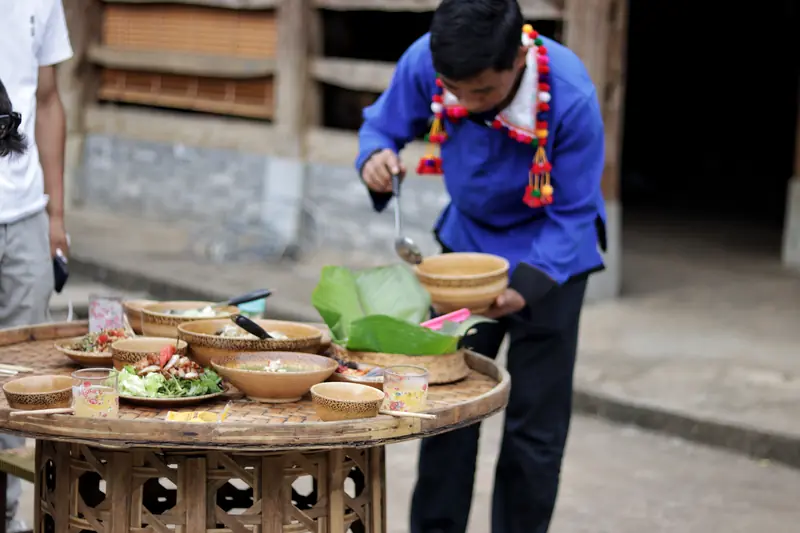
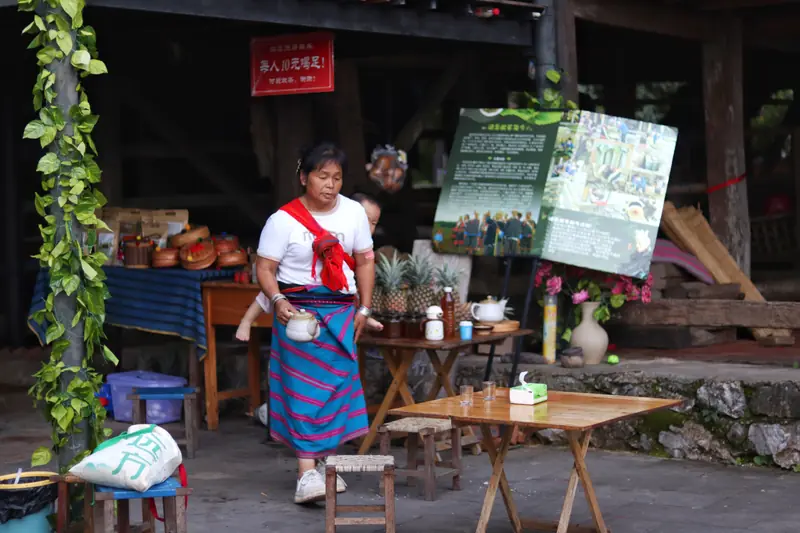
The De’ang people are an ancient ethnic group living mainly in Mangshi, Yunnan. They have their own language, practice Theravāda Buddhism, and are known for their rich tea-growing traditions and colorful cultural heritage. In the afternoon, we will visit a local De’ang village and De’ang ethnic museum at Santaishan De’ang Ethnic Township led by a local De’ang family.We will learn how to make De’ang macrame embroidery with a local woman. We will also enjoy De’ang style dinner prepared by the family and drink De’ang sour tea. De’ang sour tea is a special traditional tea made by the De’ang people, with a history of more than a thousand years. It’s not like regular tea — it’s buried underground and fermented naturally to give it a sour, slightly salty flavor.
Day 3
Morning-Drive to Tengchong and visit an ethnic farmer’s market
Tengchong is a beautiful city in western Yunnan, famous for its volcanoes, hot springs, and rich jade culture. Once an important stop on the ancient Southern Silk Road, it blends natural wonders with diverse ethnic traditions, making it a unique gateway between China and Southeast Asia.
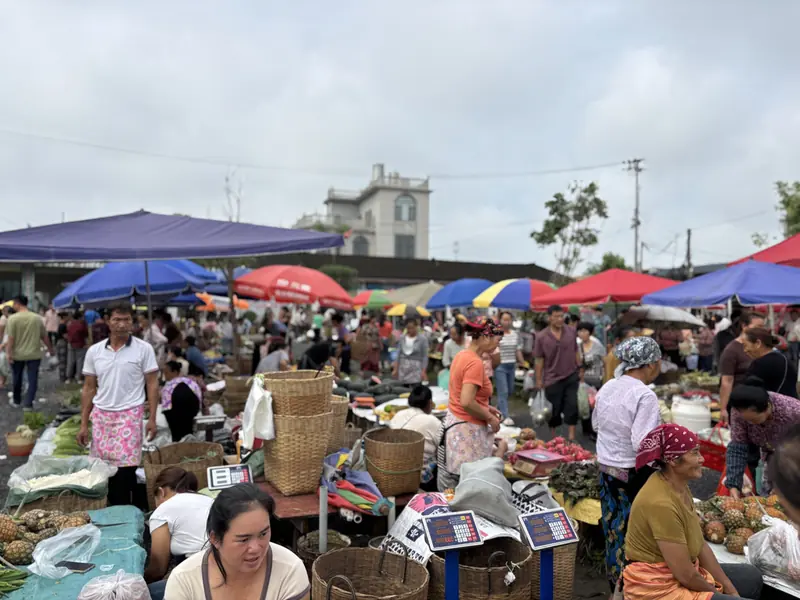
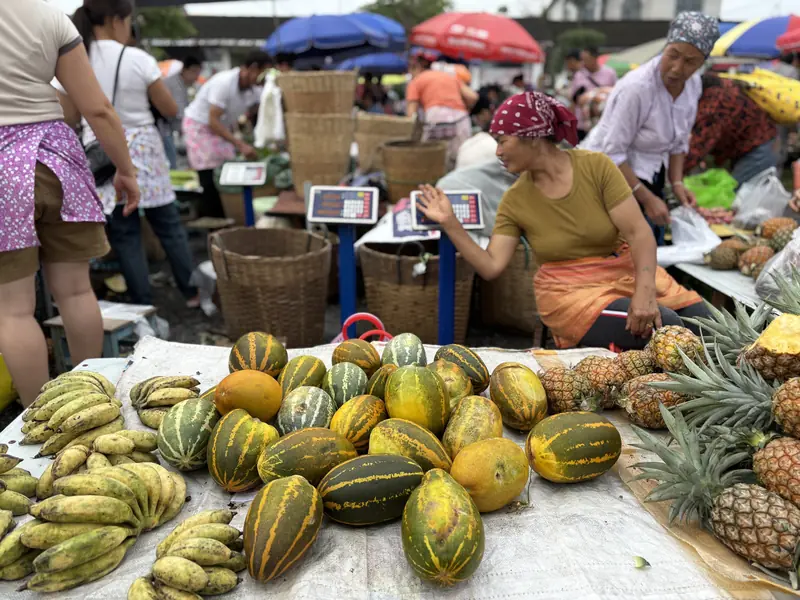
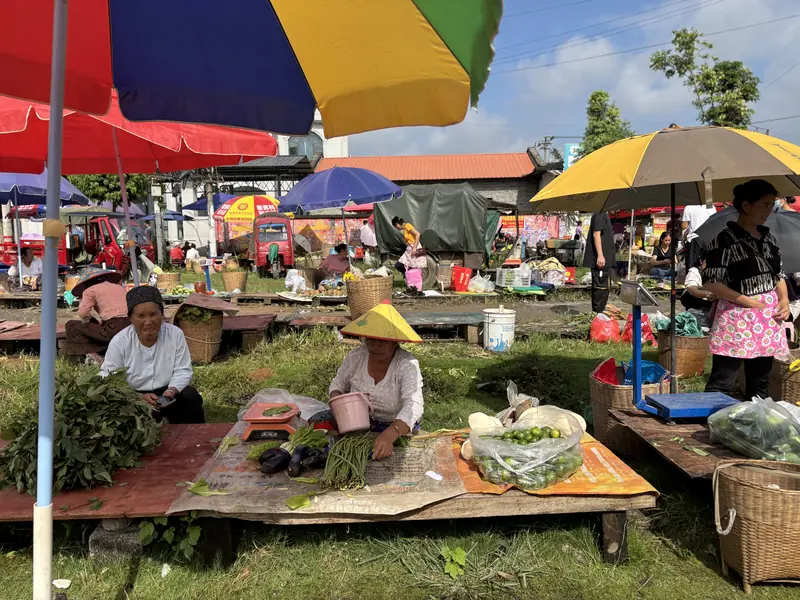
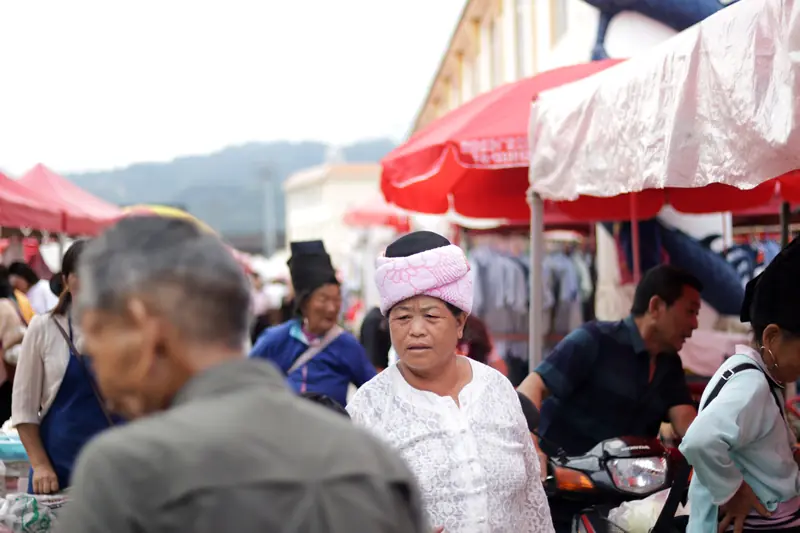
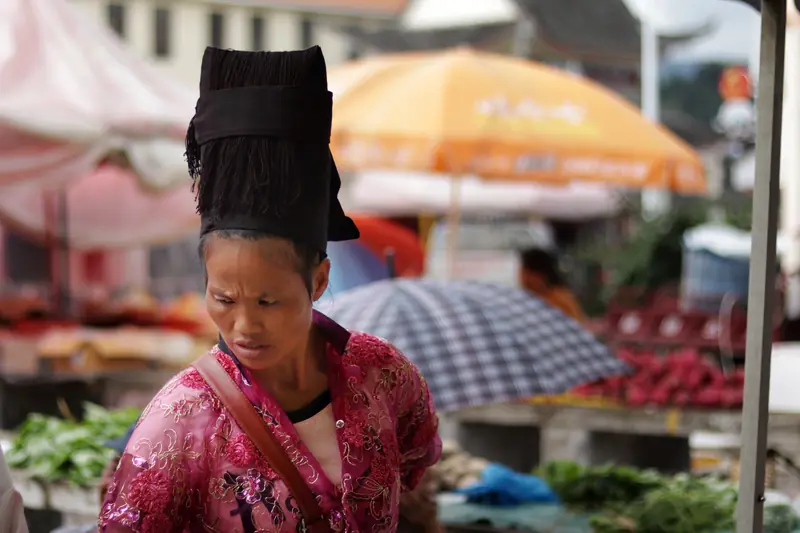
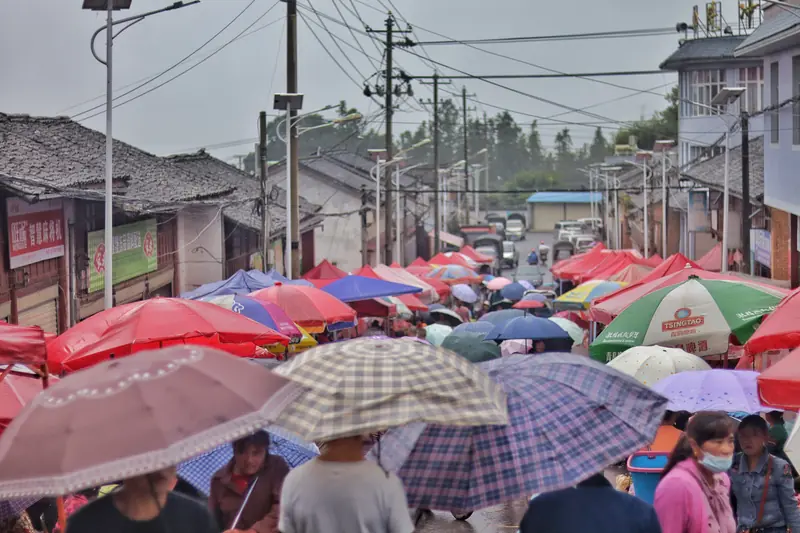
In the morning, we will browse through an ethnic farmer’s market in Tengchong like the locals do and sample some of the most amazing local specialties. Ethnic Markets in Yunnan are great places to observe the unique multicultural styles and minority cultures that live in the area. Small cities and townships host these gatherings usually once every five to ten days, depending on the venue. Many of the minority women dress their best (traditional colorful costumes) on a market day.
Local artists and farmers regularly come to sell their crafts and produce so you’ll be able to experience all of Yunnan’s authentic cultural identities gathered in one place! You will be able to sample scrumptious Yunnan snacks and dishes freshly made by the nearby villagers who set up their stalls at a different market every day to make a living.
Cook with a local family and enjoy lunch with the family
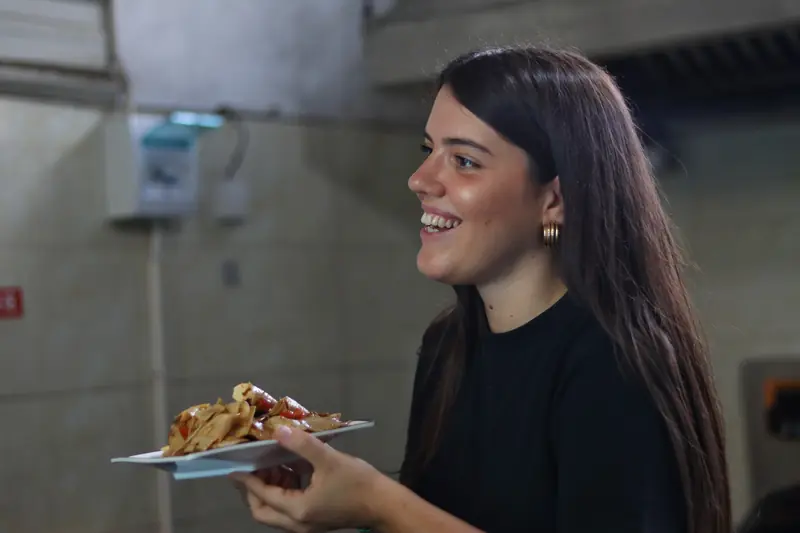
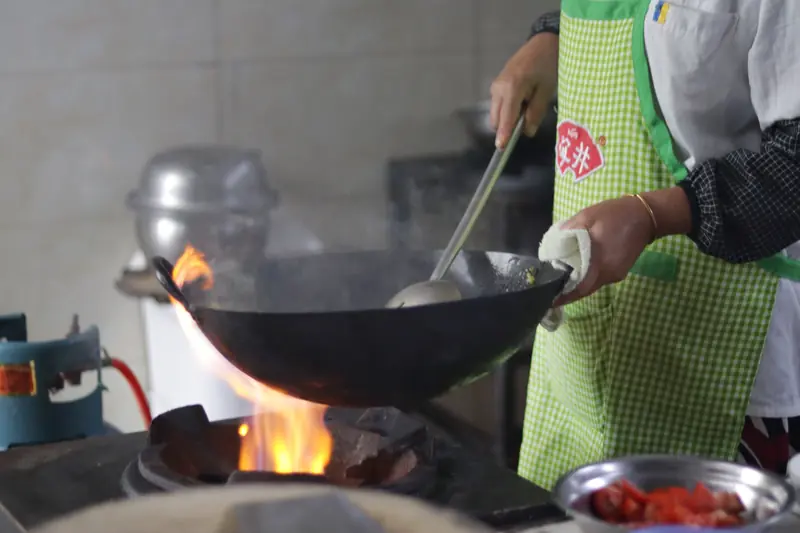
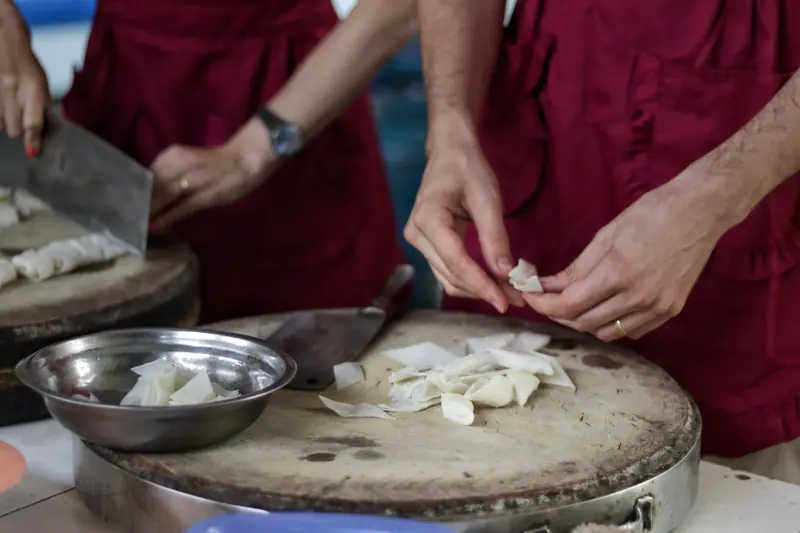
We will drive to a local restaurant and learn how to cook one of most famous dishes in Tengchong-Dajiujia with the family. The name “Dajiujia” translates to “Great Rescue” or “Saving the Emperor.” According to legend, during the 17th century, the last Ming Dynasty emperor, Zhu Youlang, fled to Tengchong while escaping Qing forces. Exhausted and starving, he was offered this dish by a local villager. After eating, he reportedly exclaimed that it had saved his life, hence the dish’s name.
Visit a local paper making village and stop by a century old cantilevered wooden bridge
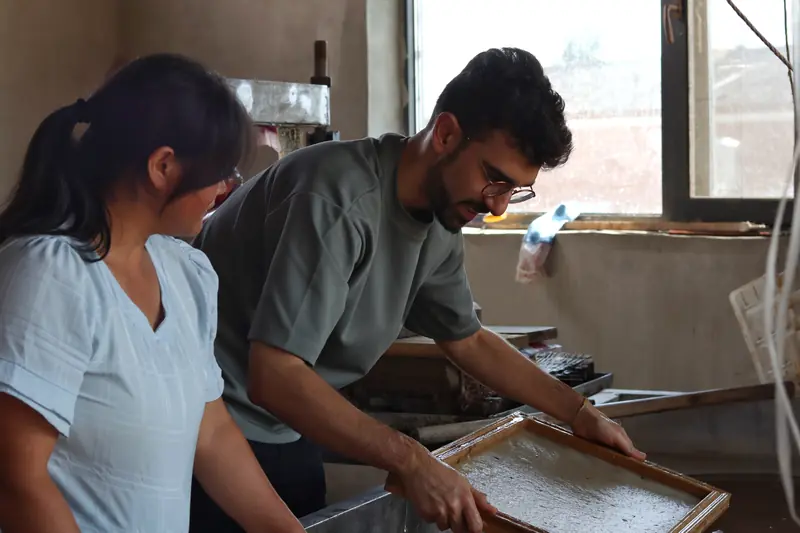
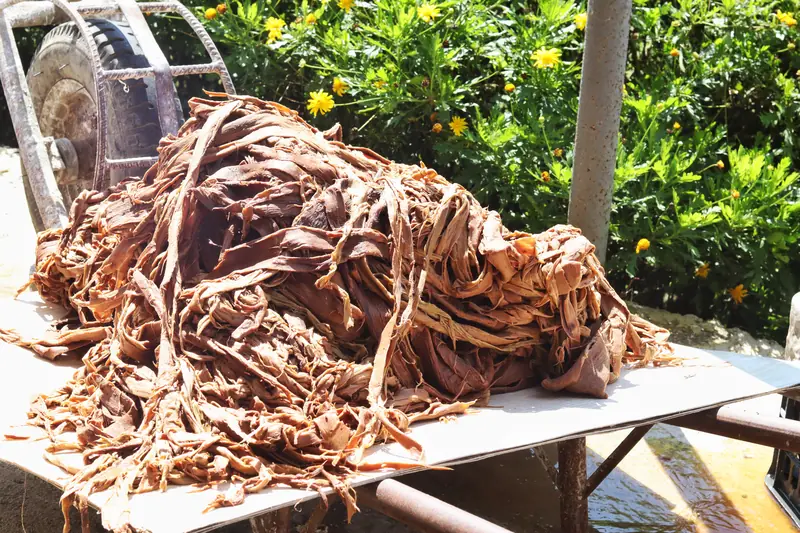
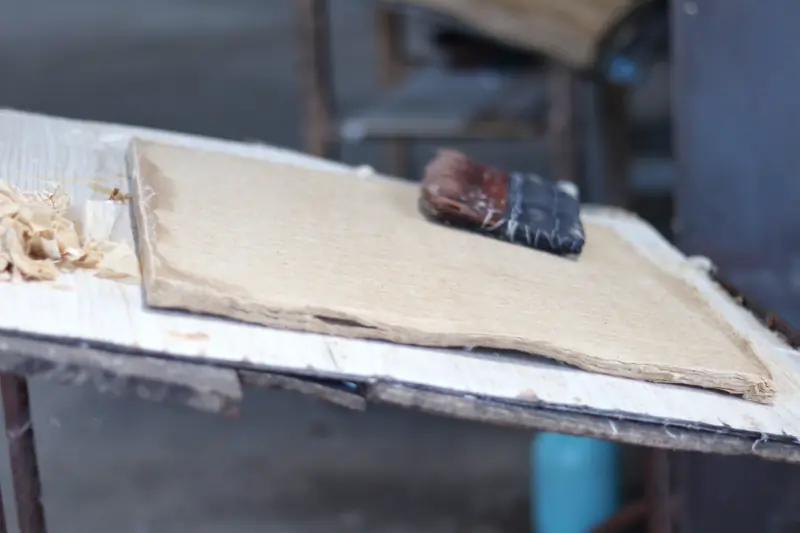
We will drive to an ancient paper-making village in Tengchong, an ancient papermaking community nestled at the foot of Gaoligong Mountain. This village has preserved the traditional craft of handmade Xuan paper for generations. We will visit the paper making museum and also participate in a hands-on experience with one of the few families who still practice this ancient crafting.
On our way back to Tengchong city center for dinner, we will stop by a century old cantilevered covered bridge that stands as a testament to traditional Chinese wooden bridge engineering and is a significant cultural heritage site in Tengchong. This bridge has served as a vital crossing point on ancient trade routes, particularly the Ancient Tea Horse Road.
Dinner at a local restaurant and check in a hot spring hotel in Tengchong
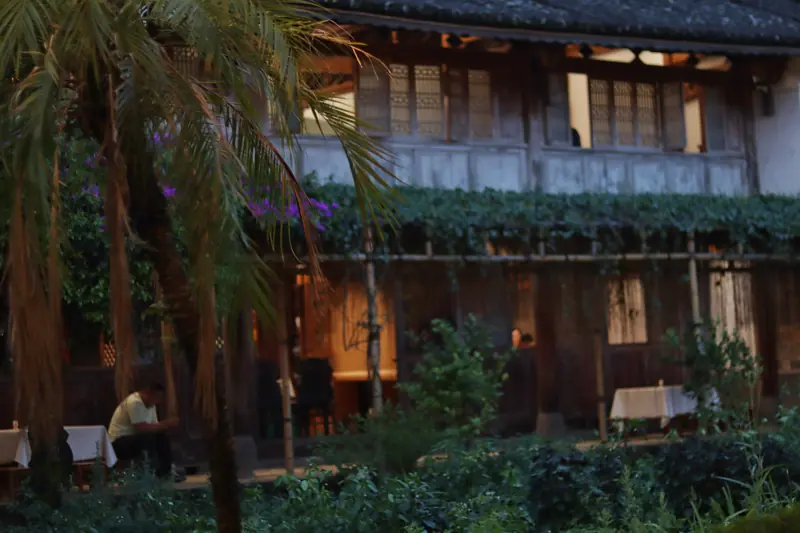
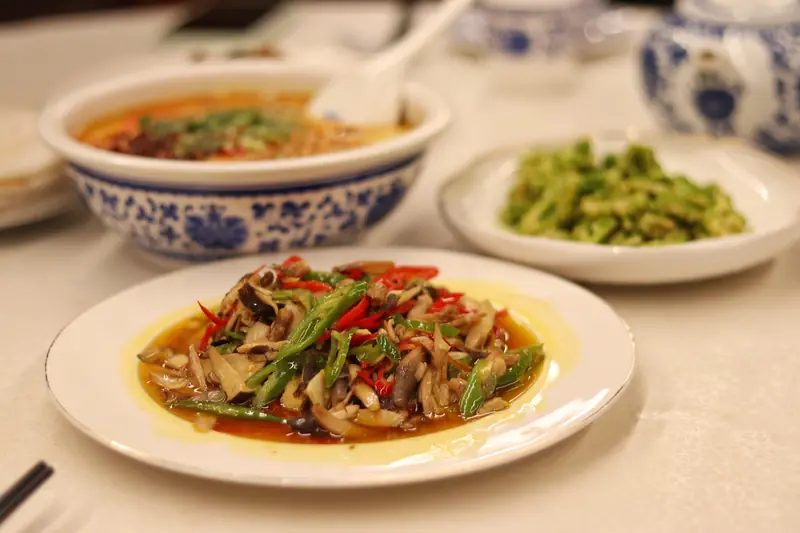
We will enjoy our dinner at a local courtyard restaurant to experience the abundance of local seasonal ingredients that you wouldn’t see and try elsewhere. We will check in a hotel equipped with hot spring tubs. Yunnan Province is a haven for hot spring enthusiasts, boasting over 1,200 natural hot springs—more than any other province in China. These geothermal treasures are scattered across the region, offering a blend of relaxation, therapeutic benefits, and cultural experiences.
Day 4
Visit a tranquil ancient village in the morning
We will browse through a tranquil ancient village. This lesser-known and unspoiled ancient village is lcoated just on the outskirt of the city. The village was a prosperous trade hub along the Southern Silk Road (Tea Horse Road), known for its wealthy merchant families who built grand residences, temples, and schools and even a library. Many villagers migrated to Southeast Asia (Myanmar, Thailand) during the Qing Dynasty, bringing back foreign influences seen in the architecture.
Hike a Daoist Mountain in Tengchong
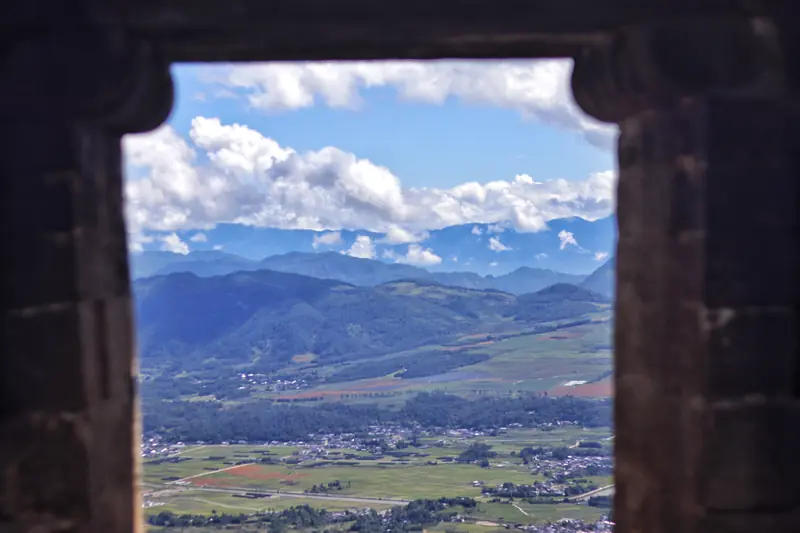
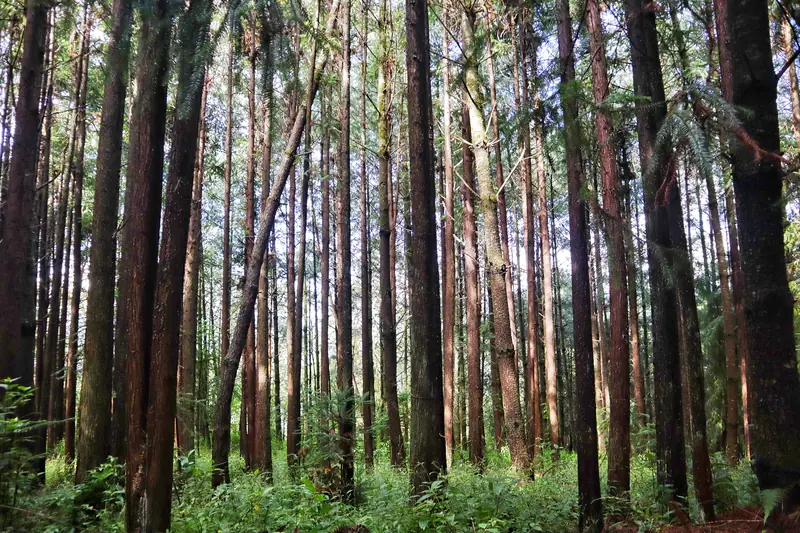
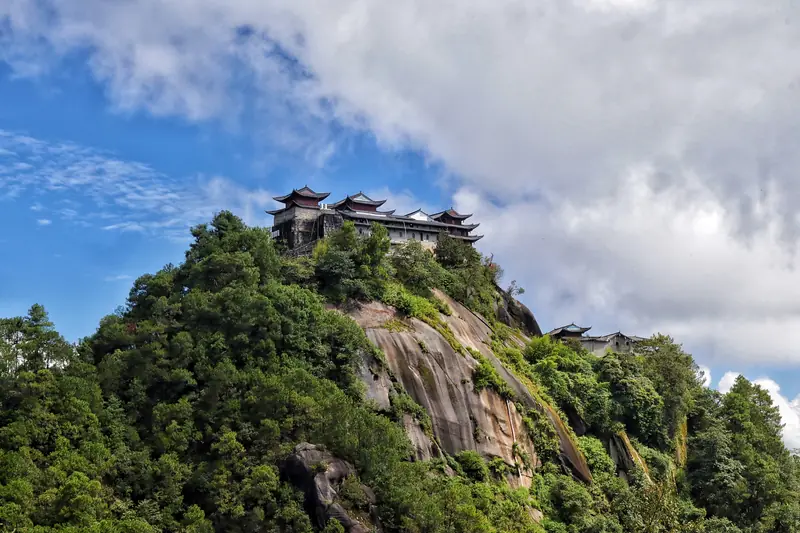
This Daoist mountain in Tengchong is a sacred Daoist site known for its striking, mist-covered peak and ancient temples perched on cliffs. Standing at around 2,445 meters high, it has been a spiritual center since the Ming Dynasty and features temples dedicated to deities like the Jade Emperor and Zhenwu. The mountain is both a cultural and natural treasure offering panoramic views, lush vegetation, and a deep connection to Daoist tradition.
Day 5
Life Along the Nujiang: Dai Village, Home Cooking & Traditional Coffee
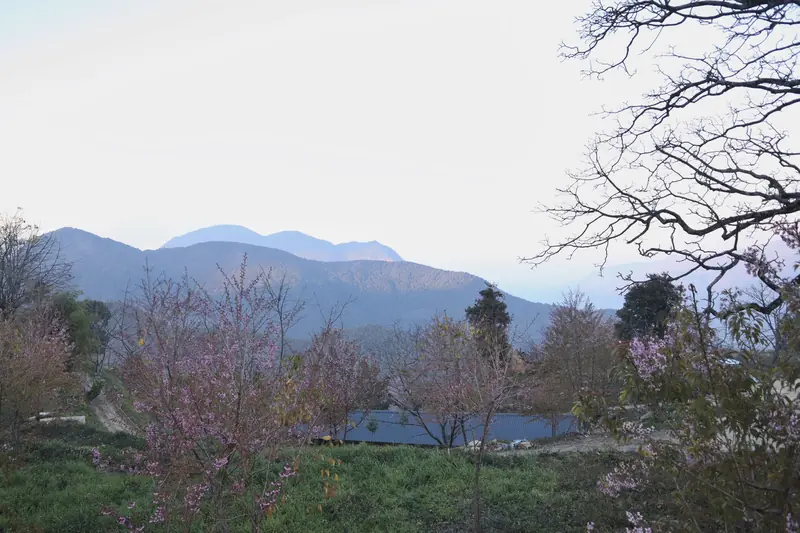
Explore a Dai ethnic village in Lujiangba, a fertile valley along the Nujiang River known for its tropical climate, rich agriculture, and deep-rooted Dai traditions. Predominantly inhabited by the Dai people, this region is famous for its tropical fruits and high-quality Yunnan Arabica coffee. Traditional stilted wooden houses, open courtyards, and daily village rhythms offer an authentic glimpse into local life.
After arriving, we spend time with a local Dai family and enjoy a home-cooked Dai-style meal, prepared with fresh, seasonal ingredients from the surrounding fields and gardens.
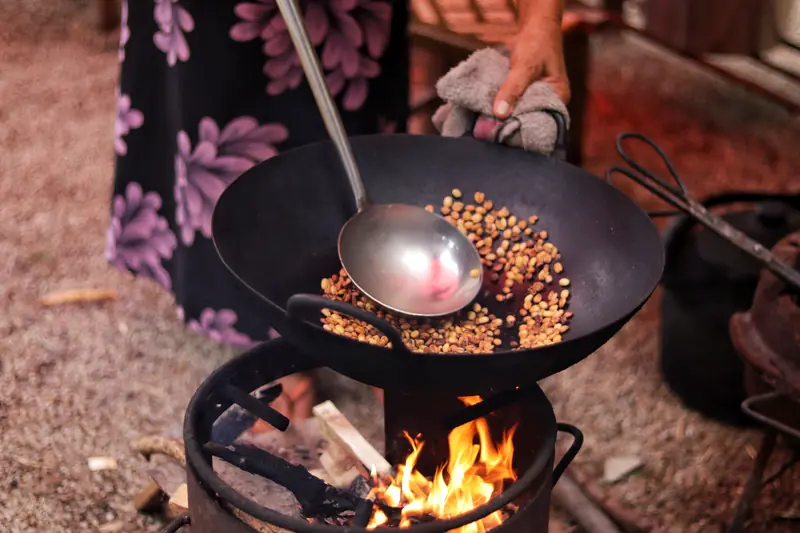
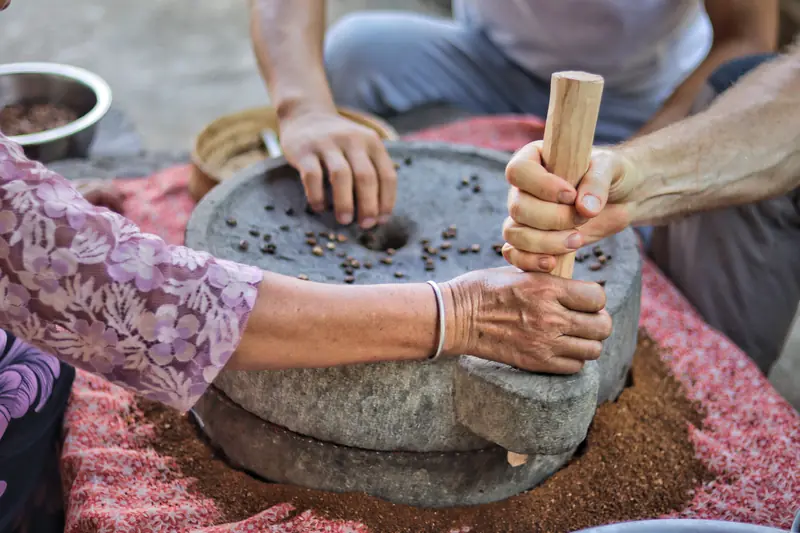
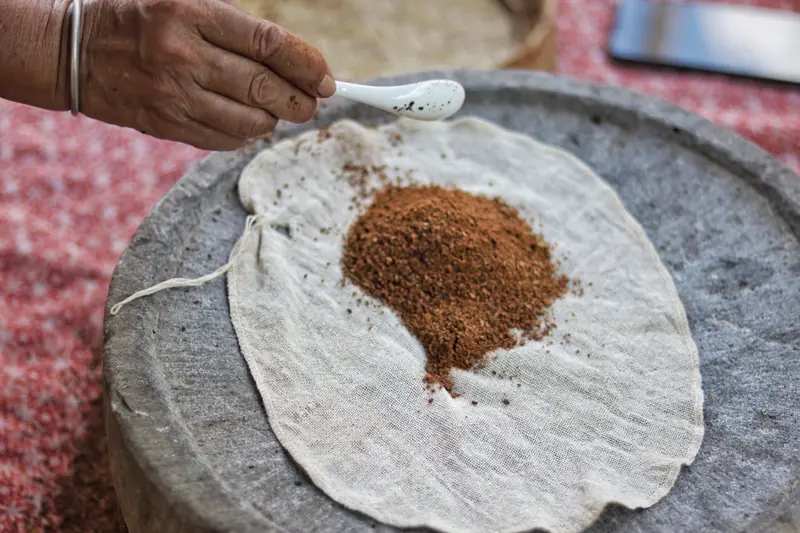
Following the meal, we roll up our sleeves and take part in a traditional Dai coffee-making experience. Using a stone mill to grind the beans, a wok to roast them, and a simple cheese cloth for filtering, we brew coffee the slow, hands-on way — a method that reflects both practicality and tradition in this coffee-growing region.
We then visit one of Lujiangba’s most revered natural landmarks: an ancient banyan tree, a symbol of longevity, biodiversity, and spiritual life. For generations, it has served as a gathering place for villagers and a quiet witness to community rituals and daily life.
Before heading to our next destination, we will stop by Double Rainbow Bridge, an ancient double-span iron chain bridge crossing the Nujiang River. Originally built during the Qing Dynasty in 1789 and later reconstructed in 1923, the bridge uses a natural reef as its central support. Once a vital crossing on the Tea Horse Road, it remains a powerful reminder of the region’s role in trade, travel, and cultural exchange.
Visit an Organic Coffee Plantation in Gaoligong Mountain
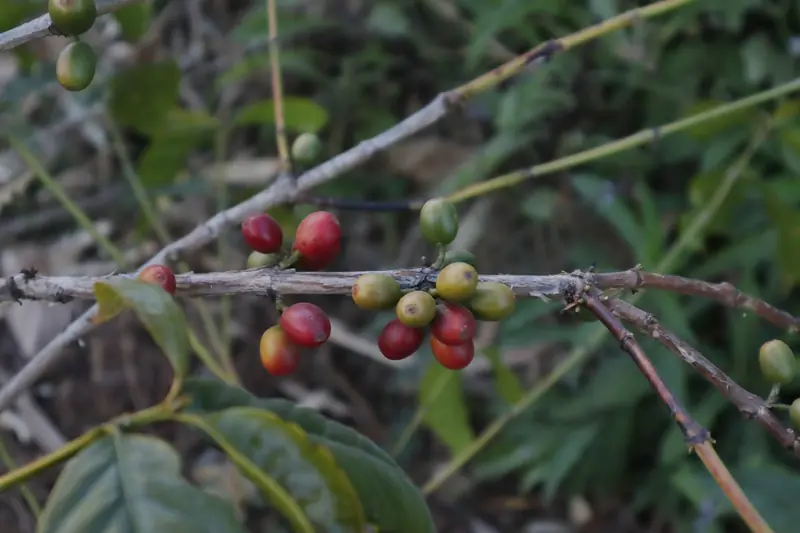
In the afternoon, we’ll journey to a thoughtfully run organic coffee plantation in the lush Gaoligong Mountain—one of the most ecologically diverse regions in Yunnan. While China’s coffee culture may be relatively new, it’s evolving quickly. In just a few decades, China has gone from virtually no coffee production to becoming one of the world’s fastest-growing coffee consumers. Today, Yunnan produces over 95% of the country’s domestic coffee beans, and its highland microclimates are gaining global attention for quality and flavor.
At this farm, we’ll learn how the growers are building a closed-loop coffee system that prioritizes sustainability, quality, and traceability. Every stage of the coffee’s life—from seed selection to growing conditions, harvest timing and method, post-harvest handling, storage, and roasting—is carefully controlled on-site. This holistic approach ensures full transparency and allows the plantation to produce consistently high-quality coffee with minimal environmental impact.
After the farm walk, we’ll sit down with the growers and enjoy a guided tasting of four distinct coffees, each representing a different bean type and roast profile. As we sip, we’ll hear the stories behind the beans—from varietal origin to roast philosophy—crafted with care by the people who grow them.
This visit offers not only a taste of Yunnan’s finest coffee, but also a deeper understanding of how modern craft and traditional ecological wisdom can work hand in hand.
Day 6
Gaoligong: Birds, Jungle & Wild Hot Springs
Gaoligong Mountain is a stunning and ecologically rich region, important for both nature conservation and cultural heritage. It is part of the Hengduan Mountains system and runs north–south for about 500 kilometers, forming a natural barrier between the Irrawaddy(Dulong) and Nujiang (Salween) river systems.
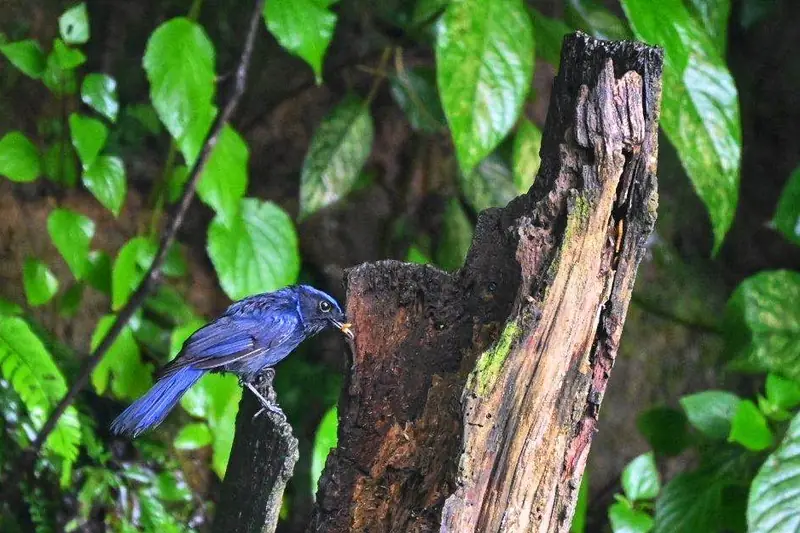
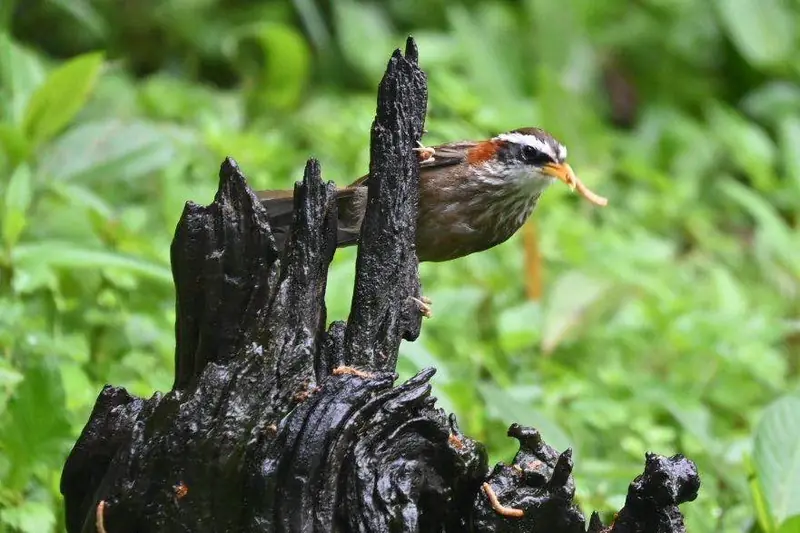
We’ll begin the morning with bird-watching when the forest is alive with calls and colors. Gaoligong is home to over 500 bird species, including hornbills, laughingthrushes, and the rare Ward’s trogon. With a bit of luck (and quiet steps), we may catch glimpses of some of Yunnan’s most iconic forest birds.
Then we’ll head into the dense subtropical jungle for a guided trek. Along the way, you’ll encounter towering trees draped in moss, hidden orchids, and the sounds of gibbons echoing across the valleys. This is true primeval forest—lush, humid, and full of life.
Our final reward? A soak in a wild hot spring, naturally nestled beside a mountain stream. Relax your muscles, breathe in the forest air, and let nature do the healing.

Day 7
Visit an ancient tea plantation and enjoy lunch with the local tea family
Yunnan is often called the birthplace of tea. The province has a long history of tea cultivation, stretching back more than 1,700 years. It’s famous for its ancient tea trees, some of which are over a thousand years old. The warm, humid climate and rich soils of Yunnan’s mountains make it perfect for growing high-quality tea.
For centuries, Yunnan tea was carried by horse caravans across Tibet and Southeast Asia, making tea a central part of trade and cultural exchange.
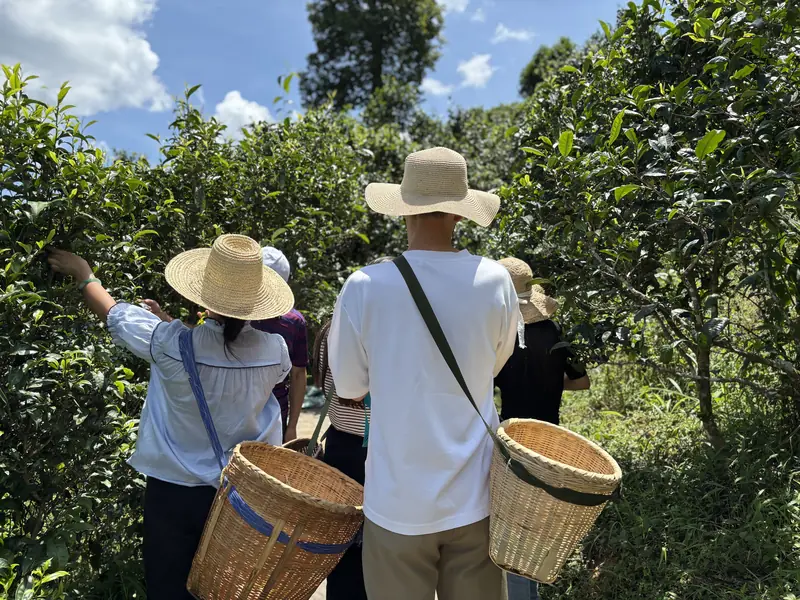
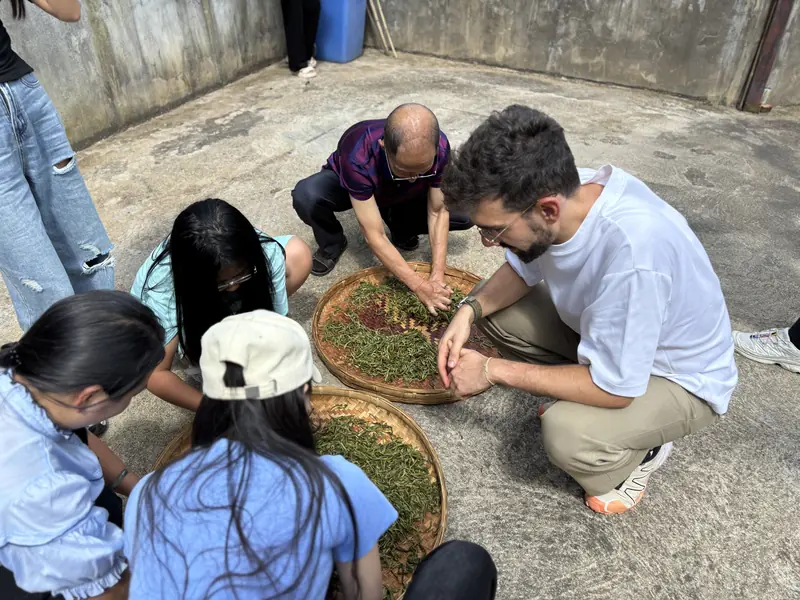
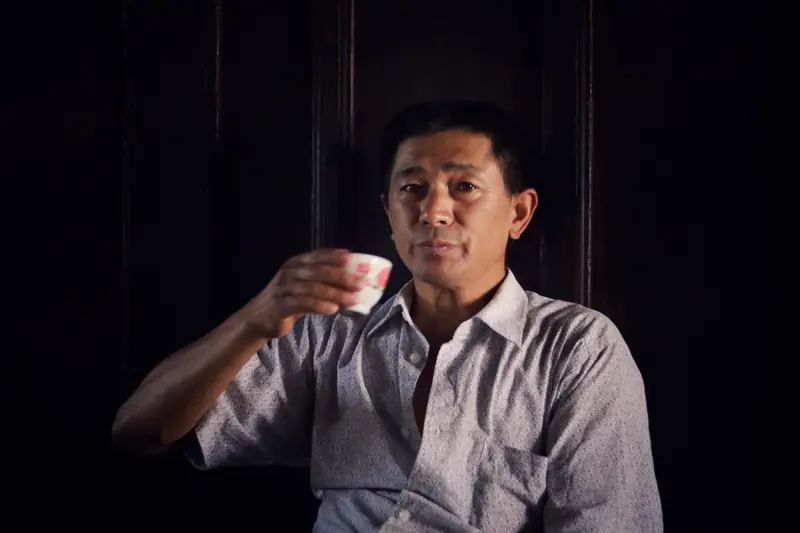
We will visit a local tea plantation of hundreds of years old tea trees and have a hands-on experience on tea picking and making.
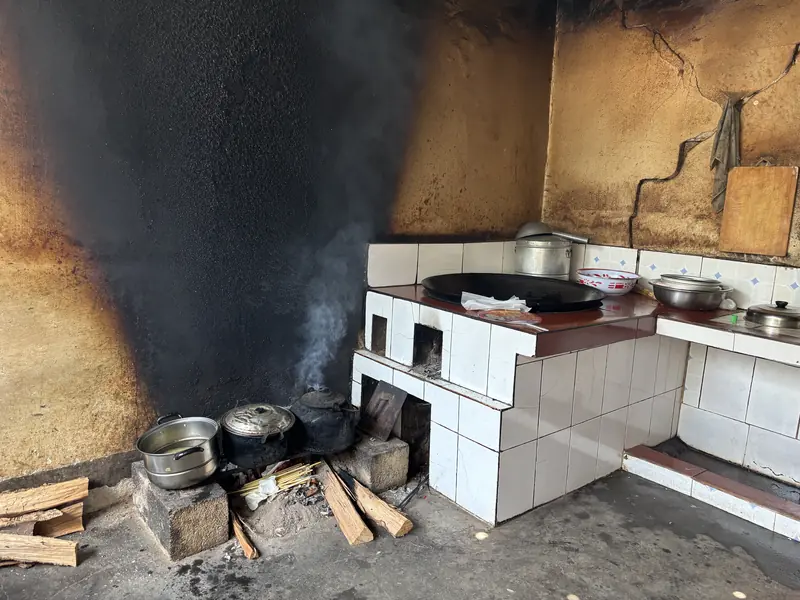
We will enjoy our lunch that is prepared by the local tea family.
Visit a century old tea shop and enjoy a wild mushroom hotpot to end the trip
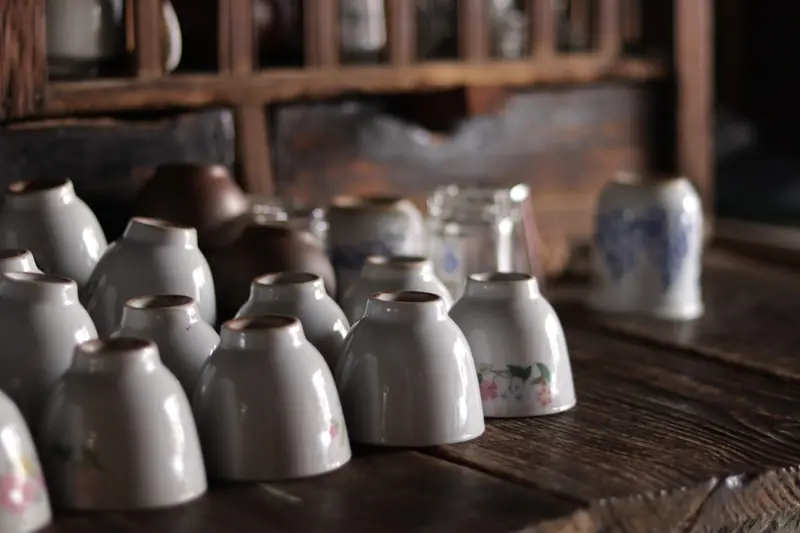
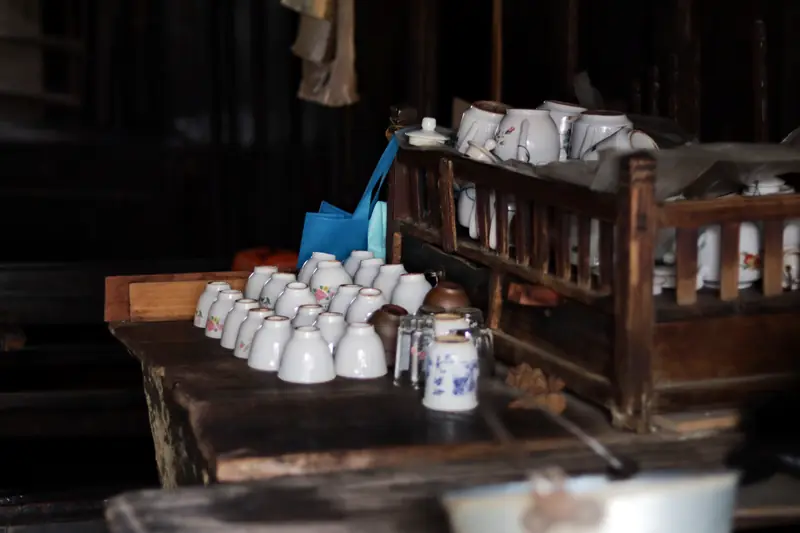
We will stop by a century old tea shop that is tucked away in a small old town in Baoshan.
Yunnan is famous for its treasure of biodiversity in China, which changes from season to season. During the rainy season from June till October, every street and market in Yunnan are filled with freshly picked wild vegetables and mushrooms that burst into life from the rain and humidity. That’s why you have to try our local favorite Wild Mushroom Hotpot when you visit Yunnan!
Day 8
Breakfast and check out of your hotel and free time for leisure before your train/flight.
We will commence our journey in Mangshi. Kindly ensure your arrival in Mangshi for first dinner and hotel check-in.
We prioritize locally sourced, ecological, and organic ingredients, advocating for a low-carbon, eco-friendly, and healthy diet. The meals provided during the tour will predominantly consist of plant-based options, supplemented by select high-quality local non-vegan choices or fully vegan alternatives. We accommodate vegan, vegetarian diets, gluten-free or other requests.
Throughout the tour, public or local-style restroom facilities are accessible, while western-style toilets are predominantly available in hotels and large shopping complexes.
For a more authentic experience and to really support the local business, we usually choose clean, characteristic and comfortable local accommodation over international hotels, but when there are no local options, we would stay in regular local or international hotels. Every room is usually shared by two people. For single room supplement, please consult us prior to booking for pricing.
Ensure you pack comfortable footwear, waterproof hiking boots, a rain jacket, a swimsuit, towels, a toothbrush. Additionally, we suggest bringing along a reusable shopping bag.
Reusable bowls, bamboo chopsticks, spoons will be provided for guests. However, we strongly encourage you to bring your own reusable items.
As part of our eco-friendly initiative, we will furnish you with an eco-travel gift box for use during the tour. This includes items such as a bamboo toothbrush, tooth tablets, and soap bars.
During this tour, our guide will introduce you to our low impact lifestyle. We will assist you in minimizing the use of single-use plastic disposables by encouraging refusal and offering alternatives.
Price List Varies by Group Size
Tour Type: private tour
1500-3000 RMB per person per day
please consult us first about the pricing prior to booking
- All Food and Water(Breakfast, lunch, dinner and snacks)
- All Workshops
- Tickets to all the Sights(included in the tour)
- Experienced Local English-Speaking Guide
- A Private Electric Car or Van with Professional and Responsible Driver
- Airport or Train Station Pickup
- Accommodation(7 nights)
- Mandatory Insurance
【Price Includes】
- Tips (Optional)
- Souvenirs and Personal Expenses
- International/Domestic Flights or Trains
【Price Excludes】