Pu'er-Banna
Beyond the Tea Roads: Pu’er-Xishuangbanna
Price Varies by Group Size
12 Days 11 Nights
Friendly to All Age
1-10 Pax
Beyond the Tea Roads: Exploring Southern Yunnan’s Living Landscapes
In the far south of Yunnan, where China meets Myanmar and Laos, the Pu’er and Xishuangbanna region opens into a world of humid forests, winding rivers, and layered mountain ranges. The environment shifts between tropical lowlands and misty highland slopes, creating one of the most ecologically rich areas in the province.
This is the birthplace of Pu’er tea, where ancient tea forests still grow across remote mountainsides and tea has shaped local life for centuries. From wild old trees to carefully tended gardens, tea culture here is not a heritage of the past—it remains an active part of daily rhythms, trade, and community identity. In recent years, these same landscapes have also become a fast-emerging coffee frontier, with hillside plantations producing specialty beans that are now gaining recognition far beyond Yunnan.
The region’s warm, humid climate supports this abundance. Mild temperatures throughout the year allow forests, crops, and wildlife to flourish, giving the landscape its lush, almost tropical character and enabling a wide variety of agricultural traditions to coexist within a small geographic area.
Just as diverse as the land are the people who call it home. Pu’er and Banna are inhabited by a remarkable mix of ethnic communities, including the Dai, Yi, Wa, Bulang, Jinuo, Lahu, and Hani groups. Each carries its own language, architecture, music, and customs, many of which remain closely tied to farming, forests, and ancestral land use. Life in these areas is deeply local, shaped by village traditions, seasonal cycles, and long-standing relationships with the environment.
Traveling through this part of Yunnan offers a chance to move beyond the familiar image of the province and into a region defined by living tea heritage, an expanding coffee culture, warm subtropical landscapes, and a vibrant mosaic of ethnic traditions—experienced slowly, through villages, farms, and everyday encounters.
Day 1
Arrive in Pu’er
Check in to your hotel and free time for leisure before dinner
Day 2
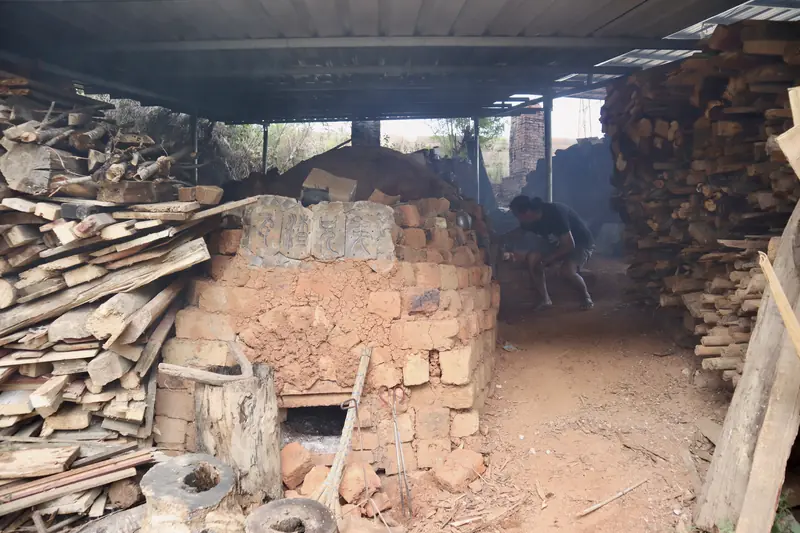
A pottery workshop in a historic village near Ning’er
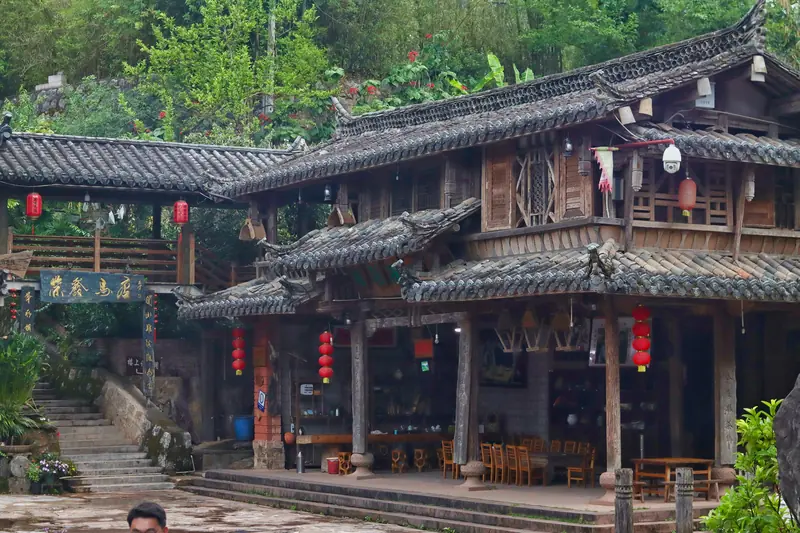
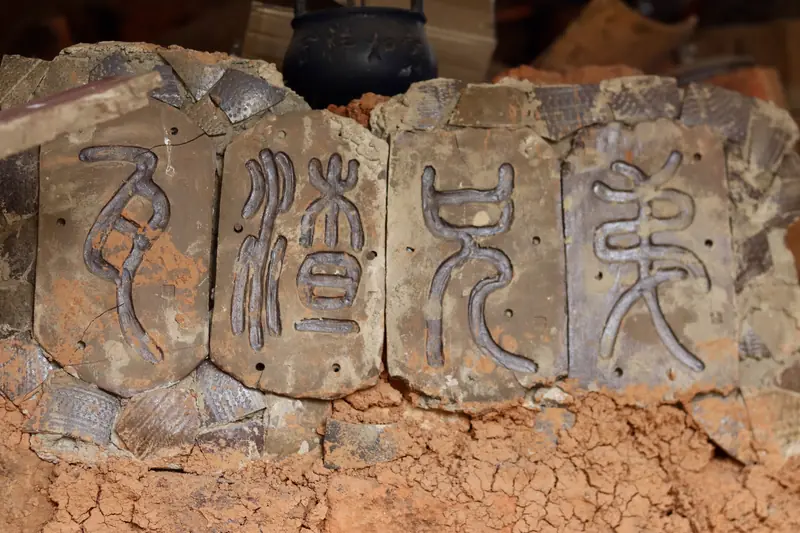
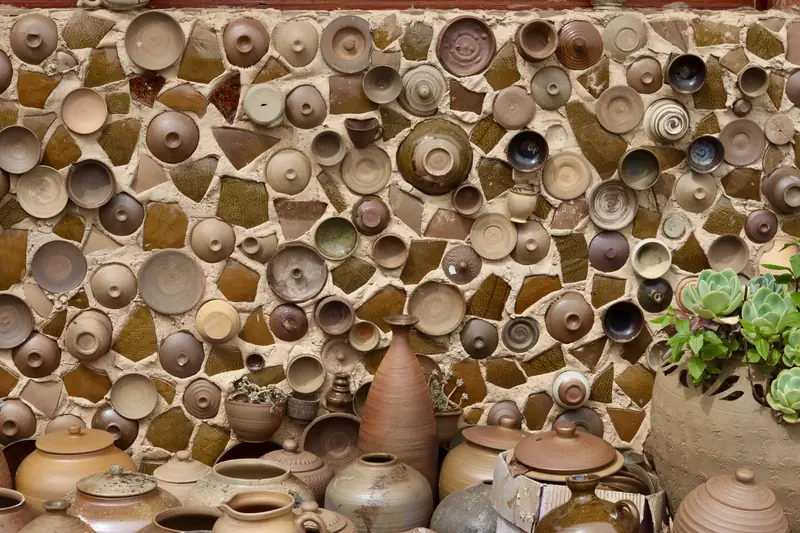
The pottery tradition in Yunnan goes back centuries, with entire villages shaped around the craft of working with clay and firing ceramics using age-old techniques. Even today, some of these communities continue to preserve their original way of life, where pottery isn’t just an art form—it’s part of daily living.
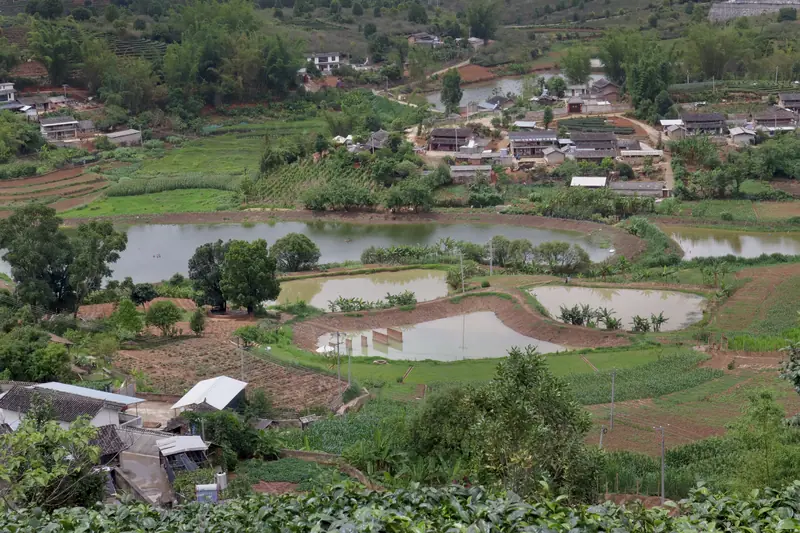
In the morning, we’ll head to a historic pottery village just outside Ning’er, where this tradition is still very much alive. Ning’er itself is a quiet, lightly visited county in Pu’er. While it’s historically known for Pu’er tea, the town remains small, low-key, and far from the main tourist routes. Life moves at a slower pace here, and the surrounding villages are still largely agricultural. The village is home to a traditional dragon kiln that has been passed down through generations, and walking through it gives you a real sense of how deeply rooted this craft is in the local culture.
You’ll also have the chance to try it for yourself—working with local clay and learning the basics of shaping pottery by hand. It’s a relaxed, hands-on experience that offers a genuine connection to the region’s heritage and the people who have kept it alive.
A farm visit & home cooking experience in rural Ning’er
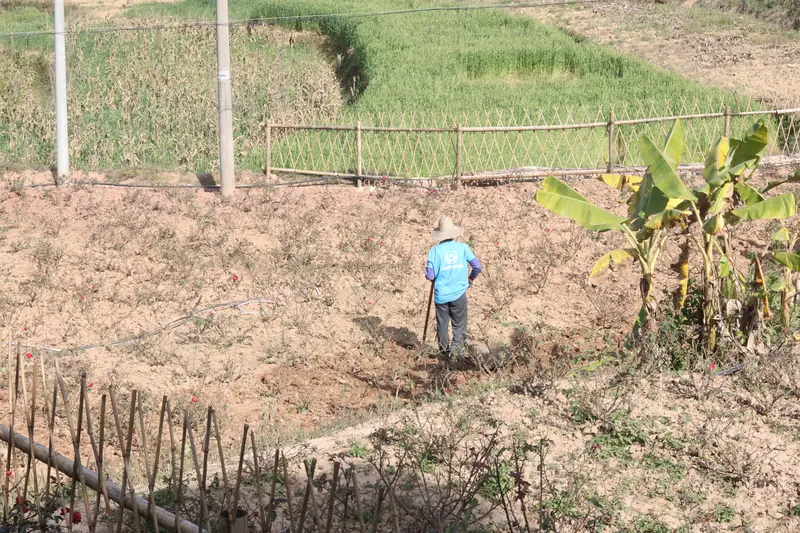
In the afternoon, we’ll visit a hidden organic farm in Ning’er run by a local family we know. They grow a variety of seasonal crops using natural methods, managing the farm on a small scale to maintain both quality and sustainability. During the visit, you’ll learn what led them to choose this lifestyle and how they grow, process, and use their produce in daily life.
You’ll also take part in a hands-on home cooking session with the family. Together, we’ll prepare a few simple, home-style dishes using ingredients picked fresh from the farm. The meal you help create will become part of your dinner—a genuine glimpse into everyday cooking and local food traditions in this part of Yunnan.
Day 3
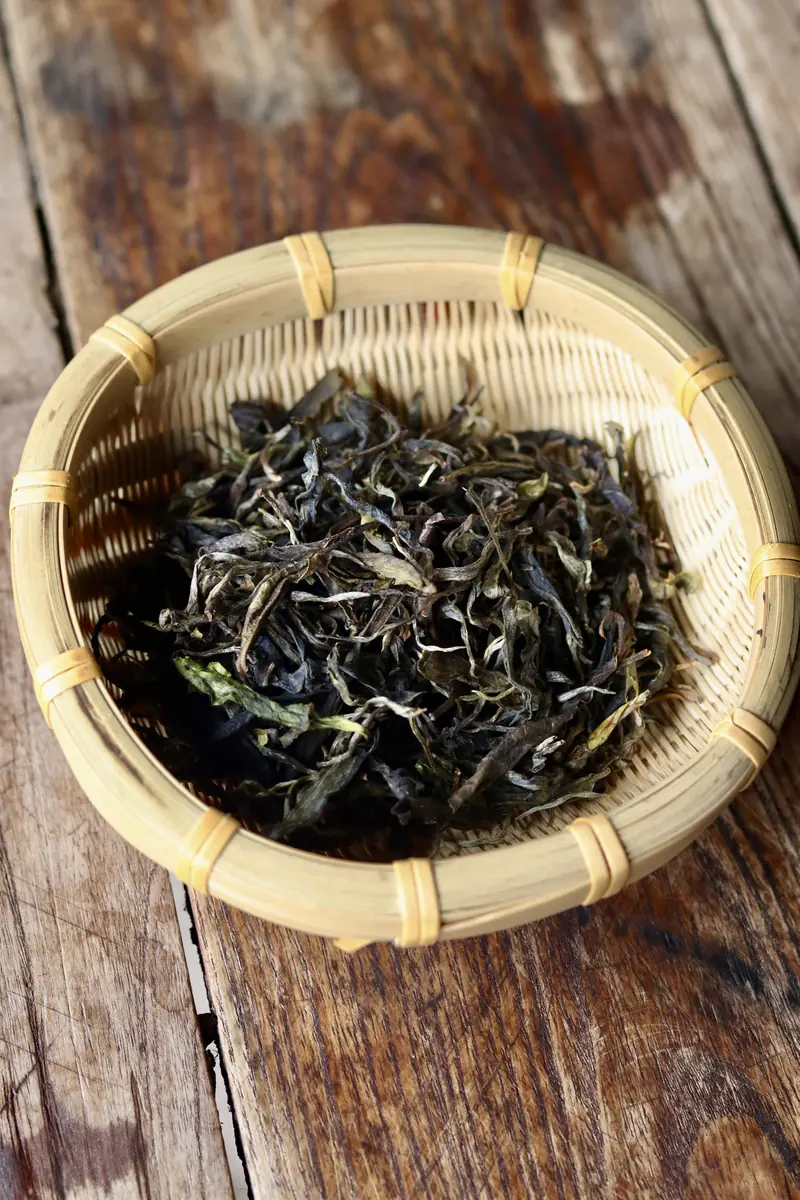
A hands-on ancient tea experience on a royal tea mountain
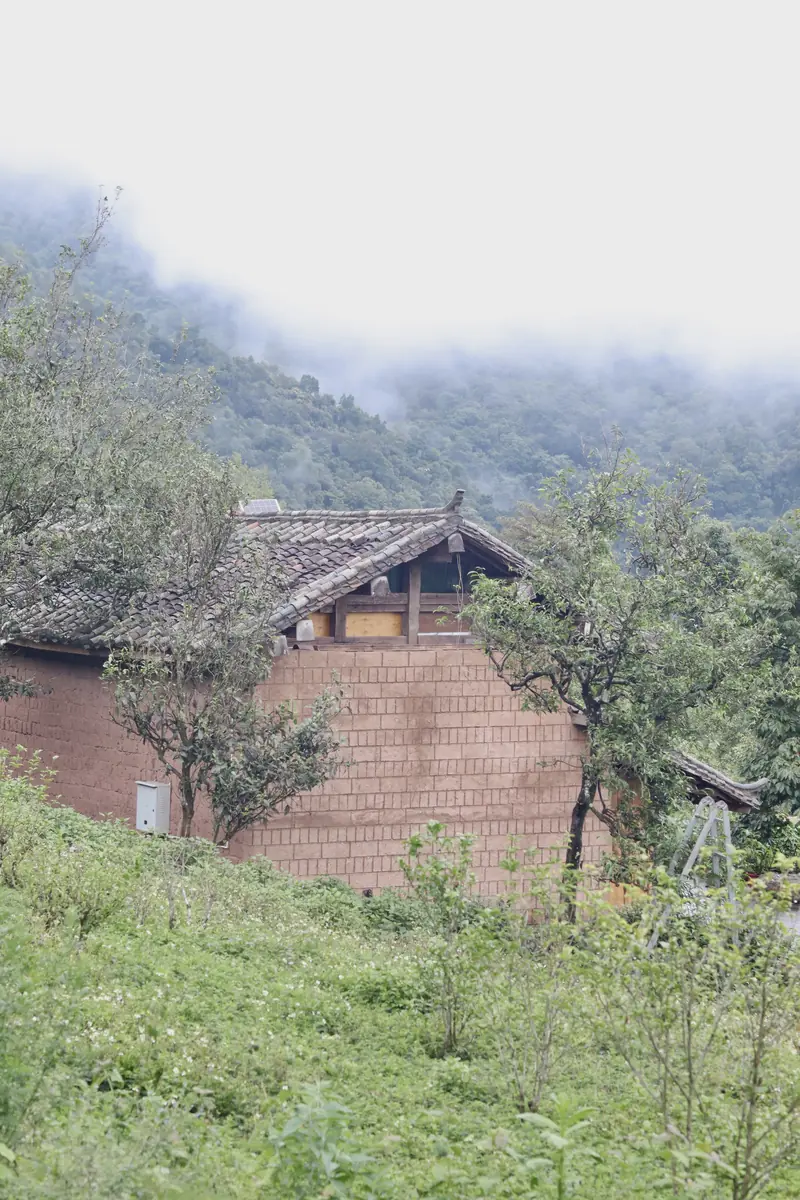
Today, we’ll head to a royal ancient tea mountain, once designated by the Qing government as an imperial tea source for over 200 years. Set at around 1,600 meters, this protected area is home to more than 400 ancient tea trees, growing in a semi-wild, forest-like environment under strict organic standards.
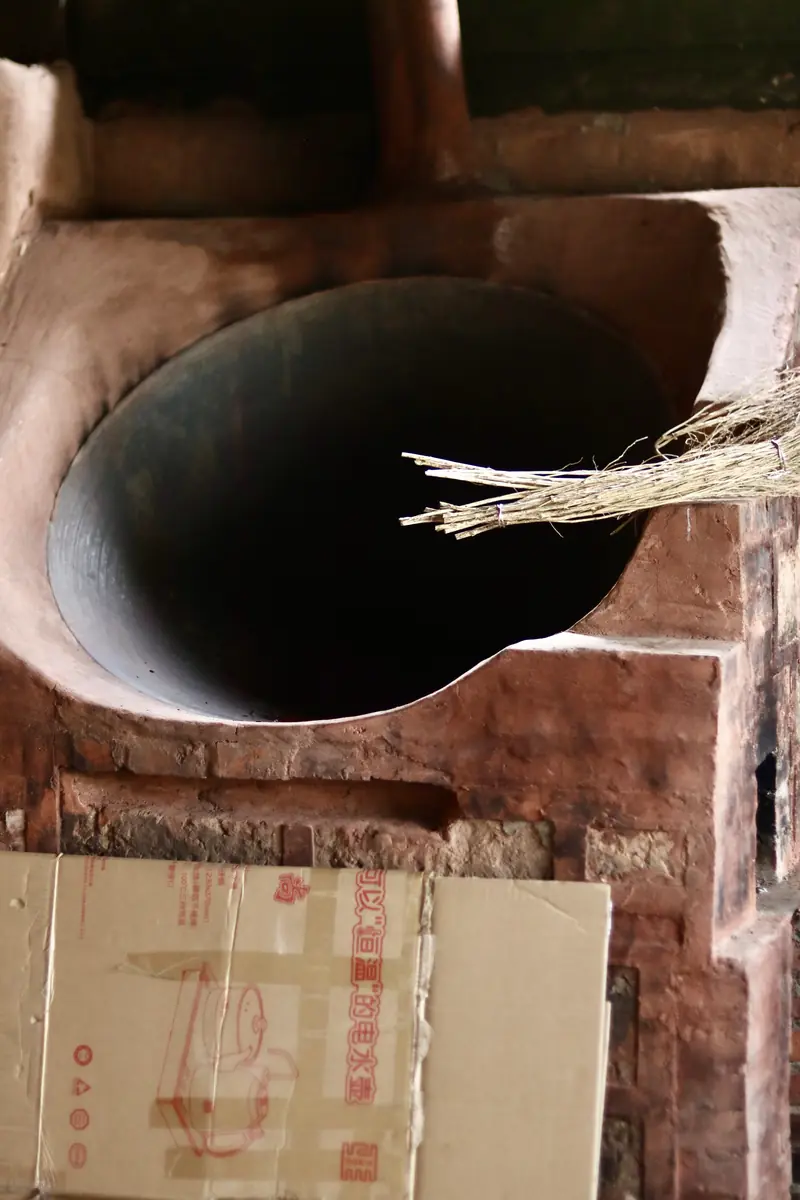
As we walk through the tea forest, you’ll get a close look at these centuries-old trees and learn how tea is still grown here without the use of chemical fertilizers or pesticides. You’ll experience the full process—from picking fresh leaves to traditional tea making—followed by a tasting of ancient tree tea.
We’ll continue with a short hike to visit one of the oldest tea trees in the area. We’ll then enjoy a home-cooked meal prepared by a local tea family, offering a simple and authentic taste of life in the mountains.
Day 4
A Yunnan specialty coffee experience in Pu’er
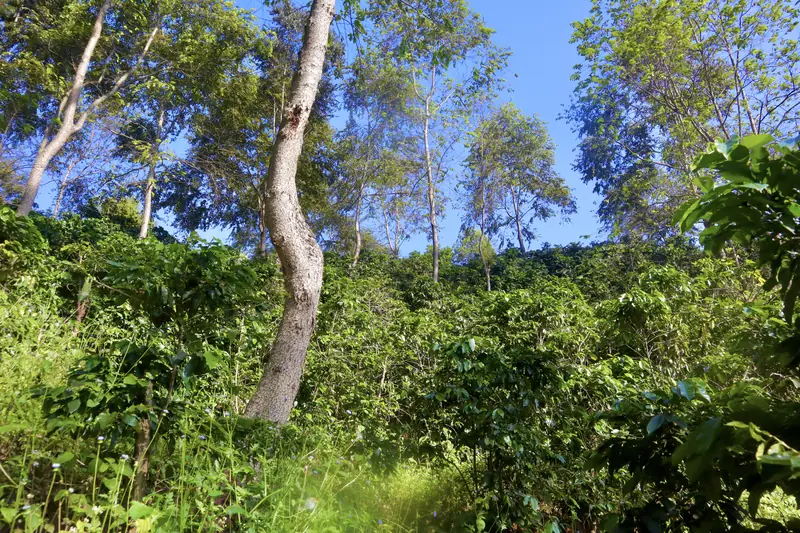
In the morning, we’ll head to one of the finest specialty coffee farms in Pu’er. When visiting southern Yunnan, experiencing the region’s coffee culture is a must—it’s often quite different from what people expect.
Around 98% of China’s coffee is grown in Yunnan, making it, in many ways, the country’s coffee heartland. Coffee was first introduced here over a century ago by Western missionaries, and what began as a small-scale crop has gradually developed into one of Yunnan’s most important agricultural industries.
In recent years, as coffee consumption has grown rapidly across China, Yunnan beans have moved into the spotlight. From small independent cafés to international chains like Starbucks, Yunnan-grown coffee is now widely served. With this increased attention has come a strong focus on quality, and many local producers have shifted toward specialty coffee—carefully managing cultivation, processing, and roasting. In many coffee-growing villages, it’s now common for farmers themselves to brew excellent hand-poured coffee.
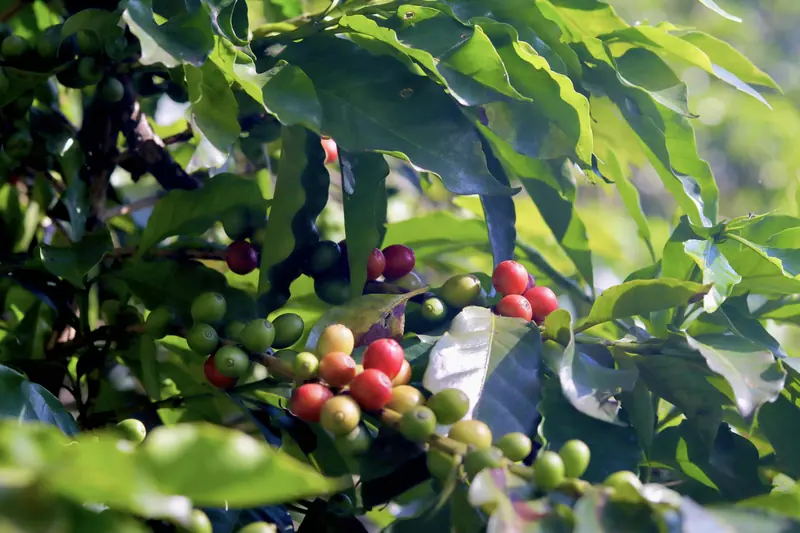
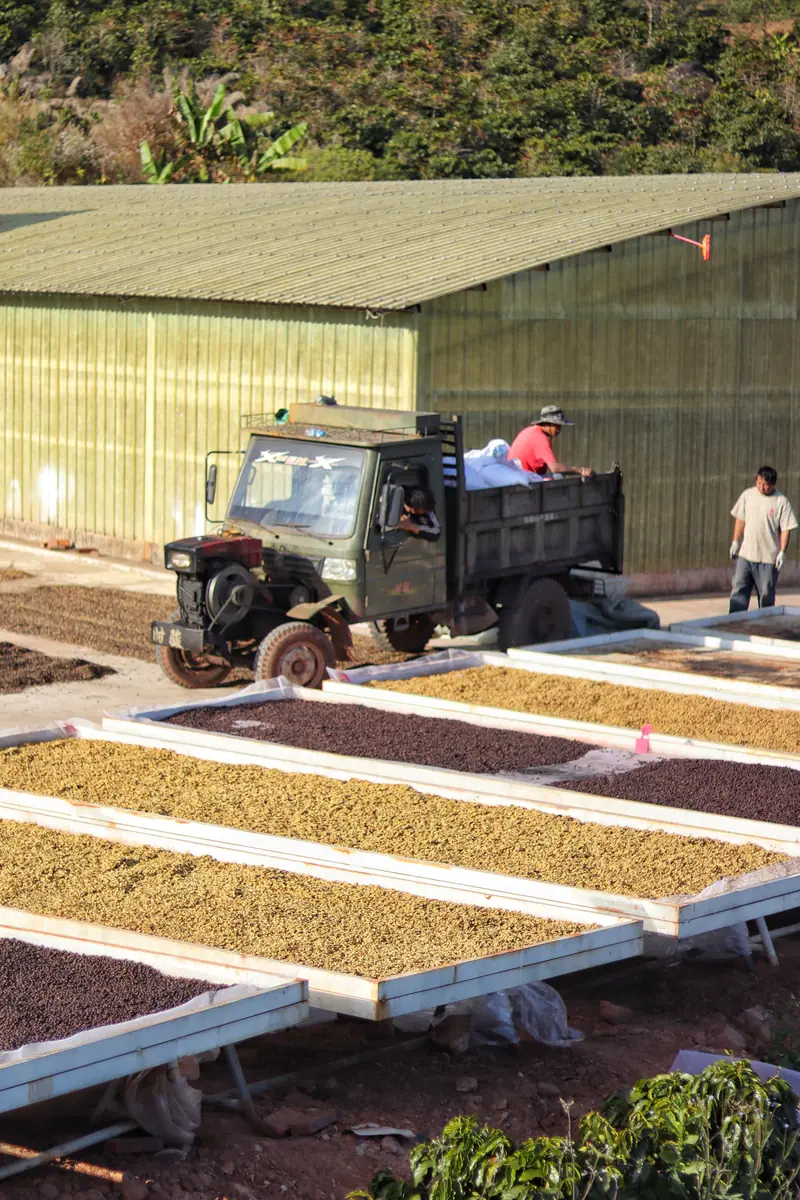
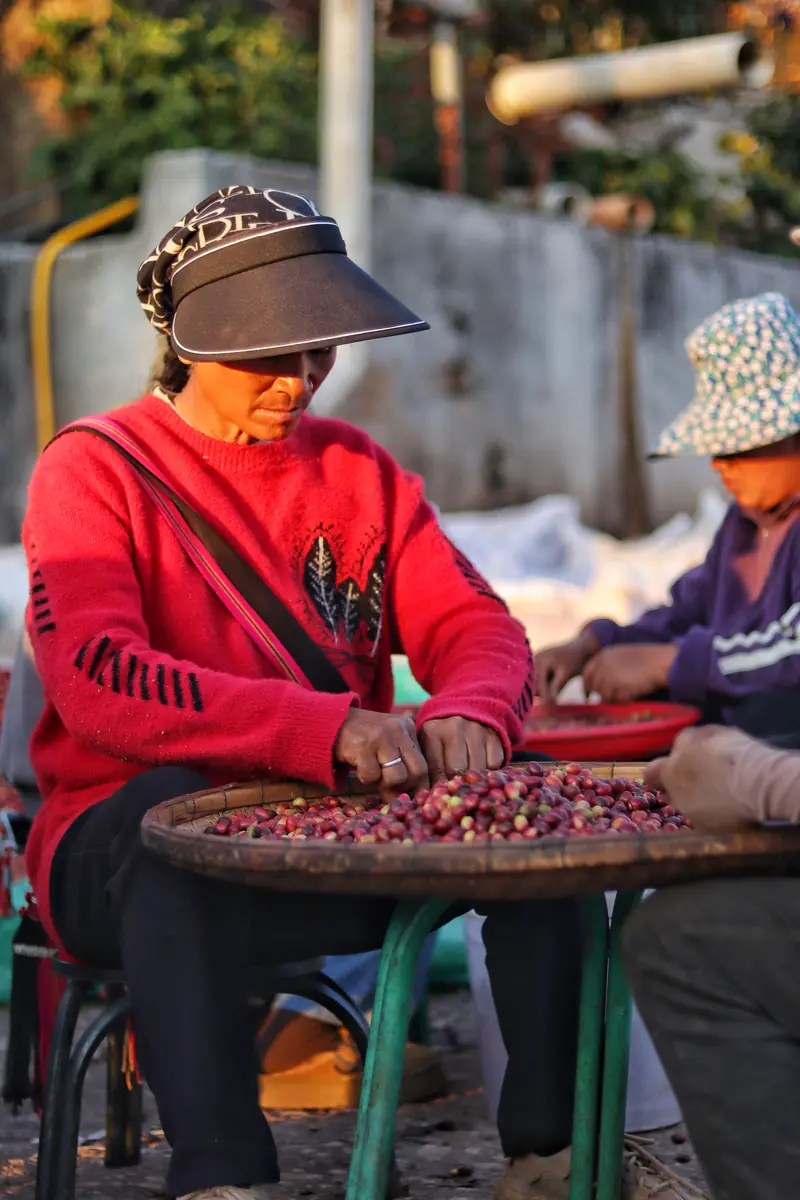
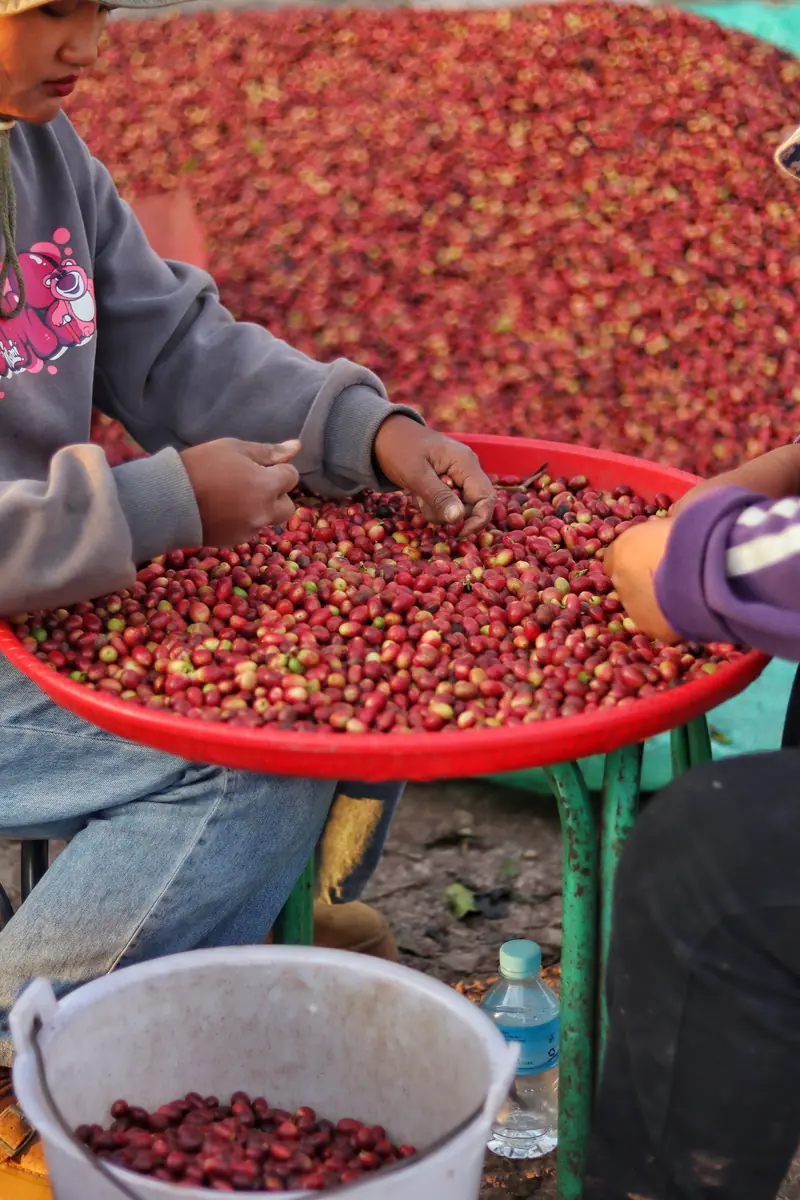
At the farm, we’ll taste a selection of hand-poured coffees made from beans grown and processed on-site, while learning how altitude, climate, and processing methods shape each cup. If visiting in season (typically winter), you may also have the chance to take part in the harvest—picking ripe coffee cherries and experiencing parts of the roasting process firsthand.
Through conversations with the growers, you’ll gain a deeper understanding of Yunnan’s evolving coffee culture—one rooted in the land, shaped by history, and increasingly recognized on the global stage.
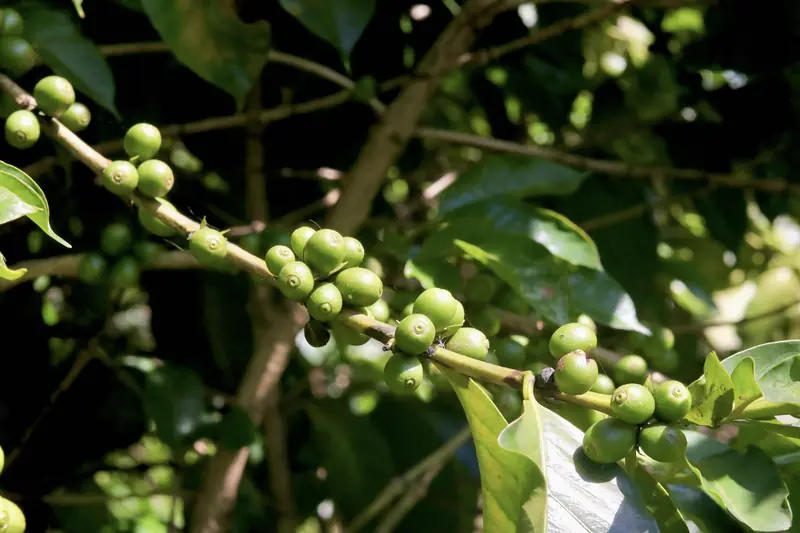
A tropical botanical garden experience in Xishuangbanna
In the afternoon, we’ll visit one of Asia’s most important tropical botanical gardens, set in the heart of Xishuangbanna. Established in 1959 by the Chinese Academy of Sciences, the garden spans over 1,100 hectares of rainforest and is home to more than 13,000 species of tropical and subtropical plants—making it one of the largest and most diverse collections of its kind in the world.
Set along a river and surrounded by dense forest, the garden is thoughtfully laid out into themed sections, showcasing rainforest ecosystems, towering palms, orchids, medicinal plants, spices, and species traditionally used by local ethnic communities.
As we walk along shaded paths and forest trails, you’ll gain a deeper understanding of why Xishuangbanna is considered one of China’s key biodiversity hotspots—and how plants here are closely tied to local food culture, traditional medicine, and everyday life. The visit is both peaceful and eye-opening, offering a blend of scientific conservation and living landscapes before we continue with the rest of the journey.
Day 5
A hands-on tea experience in one of the historic Six Ancient Tea Mountains
Today, we’ll explore Yiwu Town, one of Yunnan’s most renowned tea regions and part of the historic Six Ancient Tea Mountains. These mountains once formed a key section of the Ancient Tea Horse Road, where Pu-erh tea was traded across China and beyond. Today, Yiwu remains central to Yunnan’s reputation for producing some of the world’s most sought-after teas.
Yiwu teas are especially prized for their smooth, floral, and naturally sweet character, with a gentle, elegant profile that appeals both for immediate drinking and long-term aging. For anyone looking to understand the essence of Yunnan tea culture, Yiwu is an essential stop.
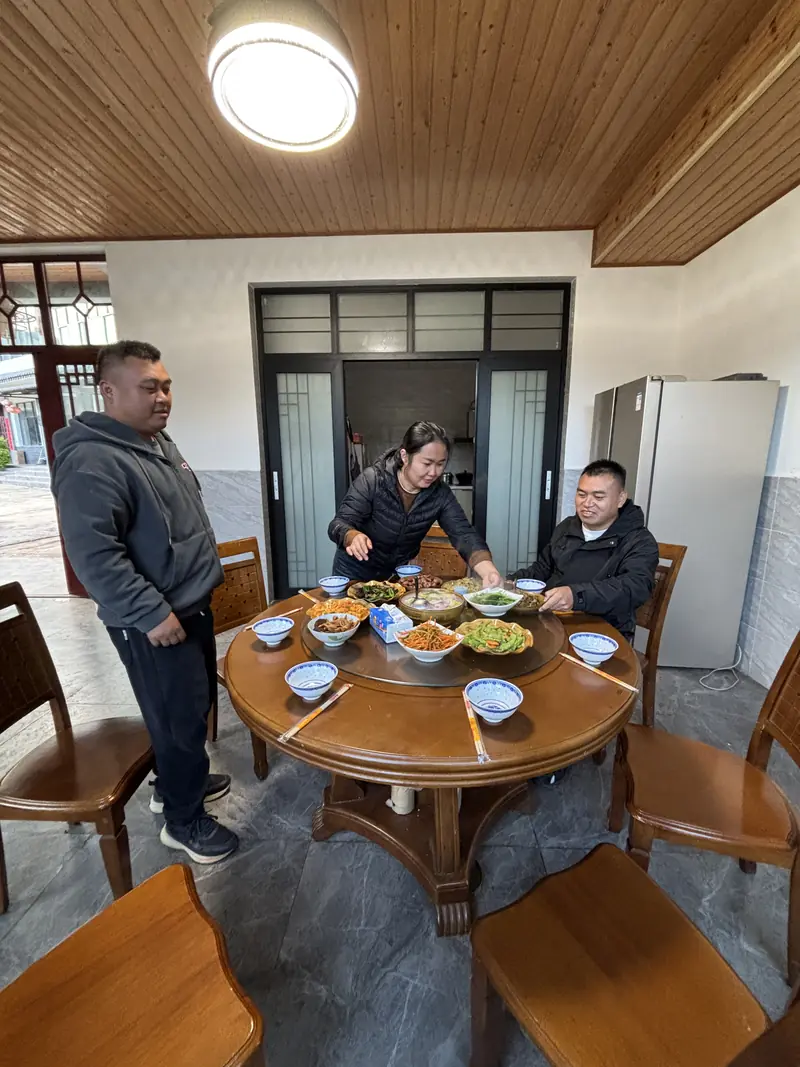
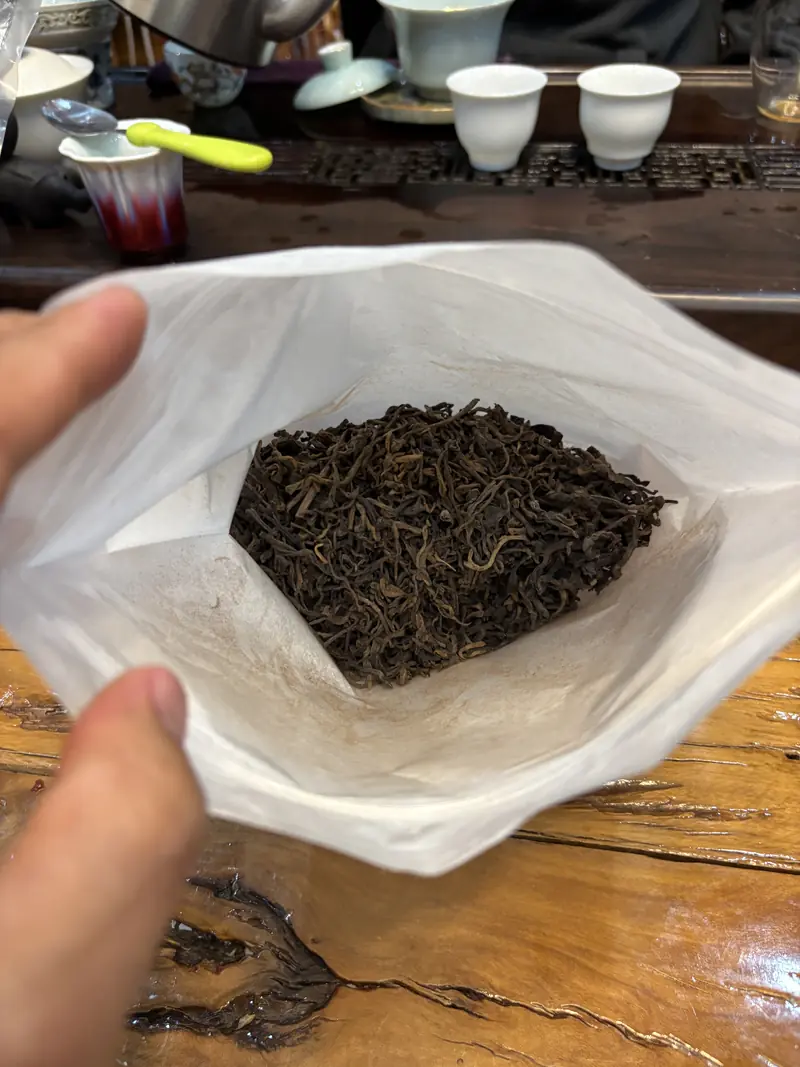
Our day begins at the Yiwu Tea Museum, where you’ll gain insight into the history, cultivation, and cultural significance of tea in the region. Afterwards, we’ll visit a local tea family in a nearby village. Walking through their tea fields, you’ll pick fresh leaves, learn traditional tea-making techniques, and taste different varieties right at the source.
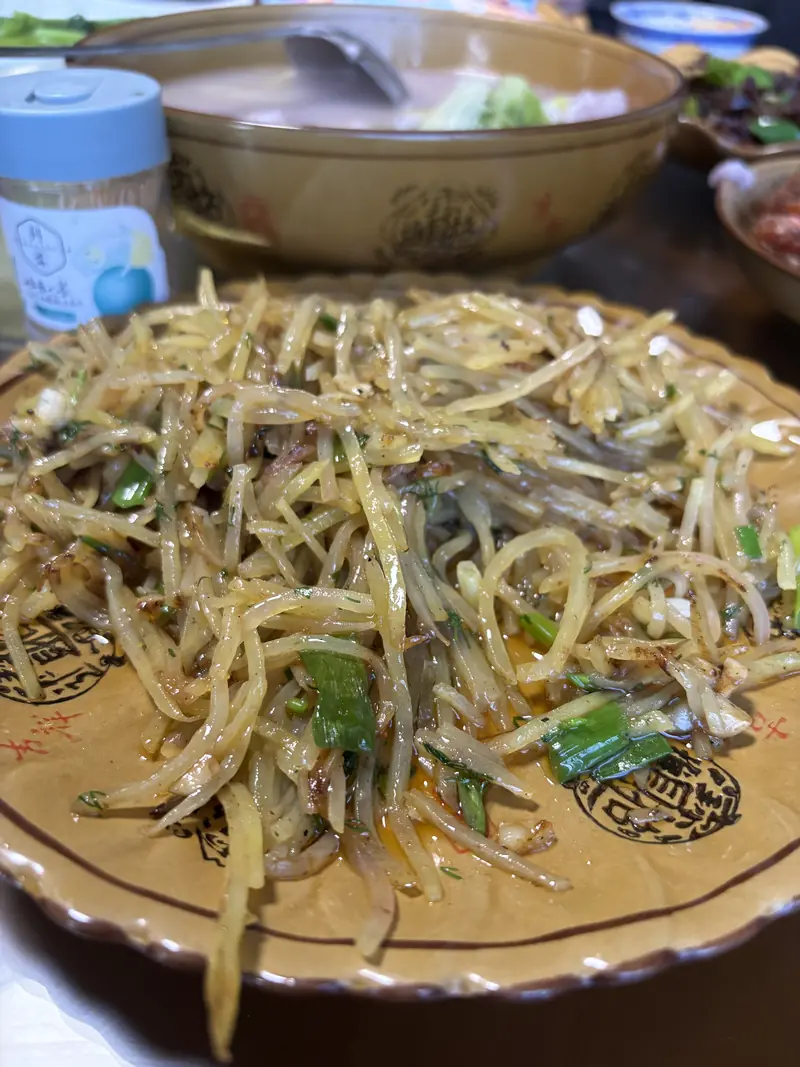
To round out the experience, we’ll share home-cooked meals with the family—simple, authentic Yunnan dishes that offer a deeper connection to local life.
Day 6
A rainforest hike through ancient tea mountains
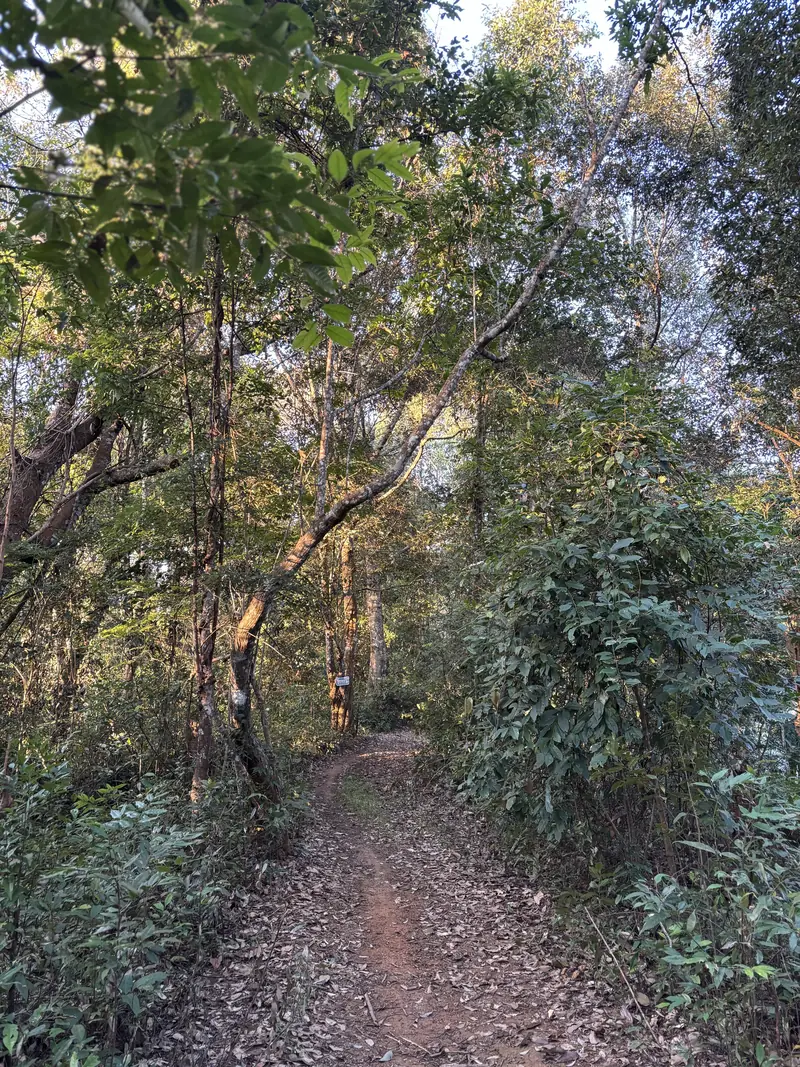
Today, we’ll begin with an immersive hike through the lush rainforest surrounding this ancient tea village. As we walk, you’ll experience the dense, vibrant subtropical forest of Yunnan—listening to birdsong, passing through shaded trails, and discovering the rich biodiversity that thrives in this environment.
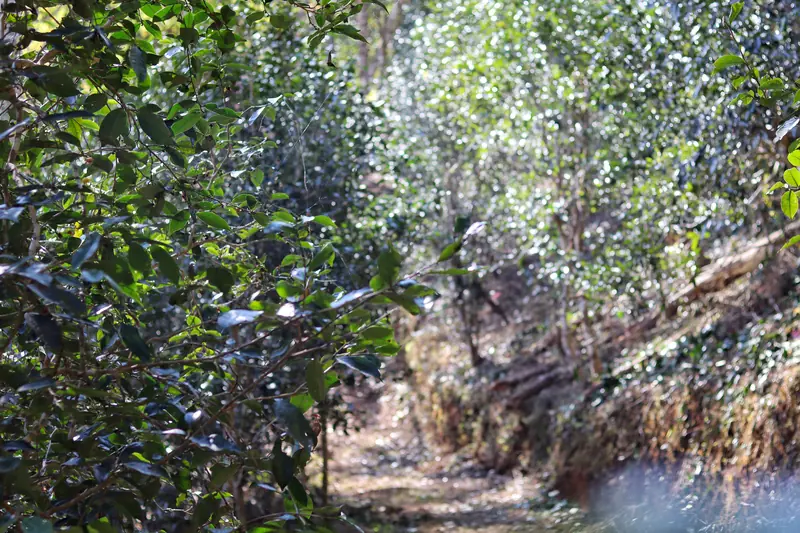
At the end of the hike, we’ll enter a larger ancient tea plantation, where you can take in the scale and history of Yunnan’s tea landscapes. Strolling among centuries-old tea trees, you’ll learn about their growth, cultivation, and the unique qualities that make Yunnan tea so highly regarded.
To complete the experience, we’ll take a local village-style ride back to the family home, offering a relaxed and charming glimpse of everyday rural life. This journey blends nature, culture, and hands-on exploration, leaving you with a deeper appreciation of Yunnan’s tea heritage and the landscapes that sustain it.
A day by the river with a tea-farming family
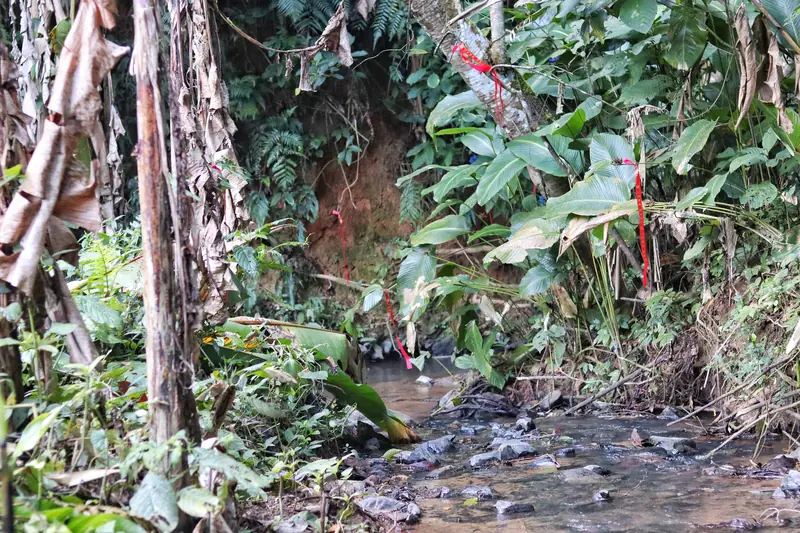
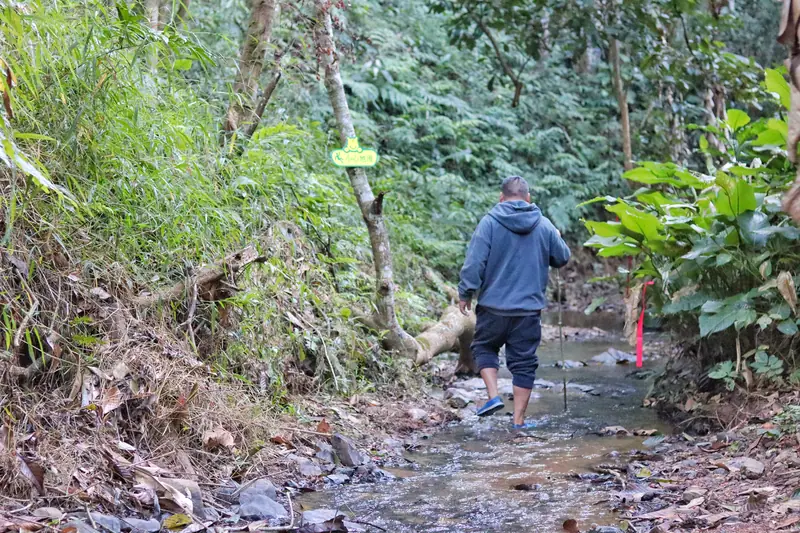
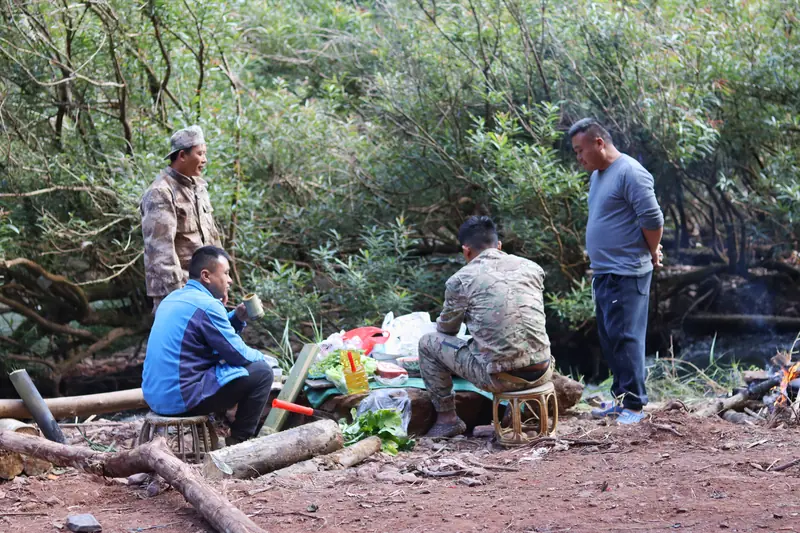
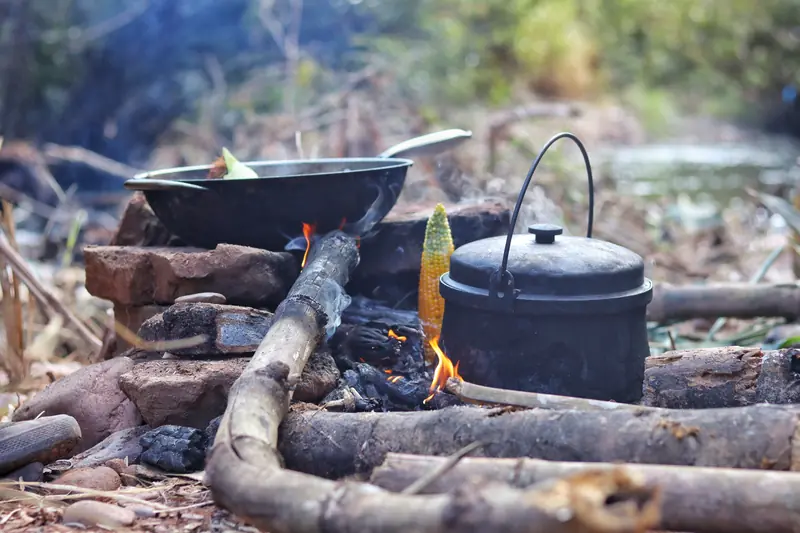
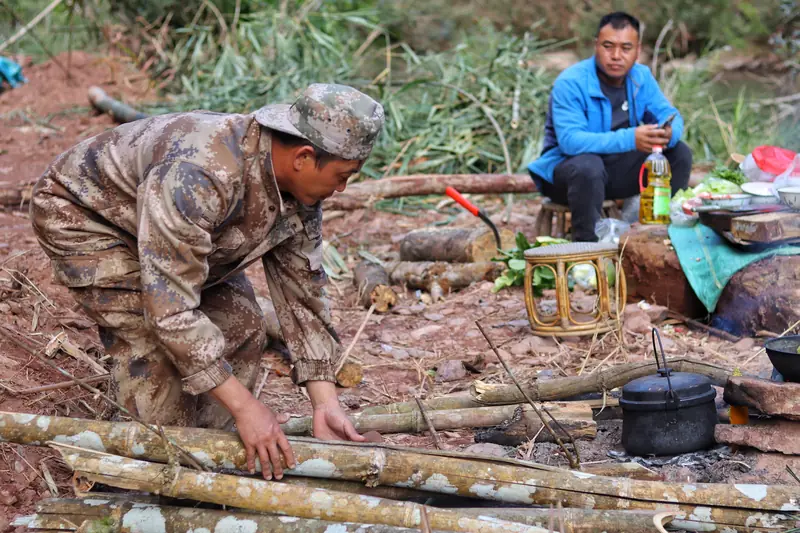
Next, we’ll head to a nearby river valley, where we’ll join the family to prepare lunch together in the wilderness by the water. As part of this hands-on experience, we’ll also brew and taste mountain tea in freshly made bamboo cups, enjoying its fresh, earthy flavors in a truly natural setting.
In the afternoon, we’ll continue spending time with the family, sharing more tea, traditional wood-roasted snacks, and taking part in a fun river rafting activity. This offers a unique way to experience the landscape from both land and water, at a relaxed local pace.
This journey blends nature, culture, and light adventure—bringing together rainforest hiking, tea immersion, traditional cooking, and river exploration, all while connecting with a local tea-farming family.
Day 7
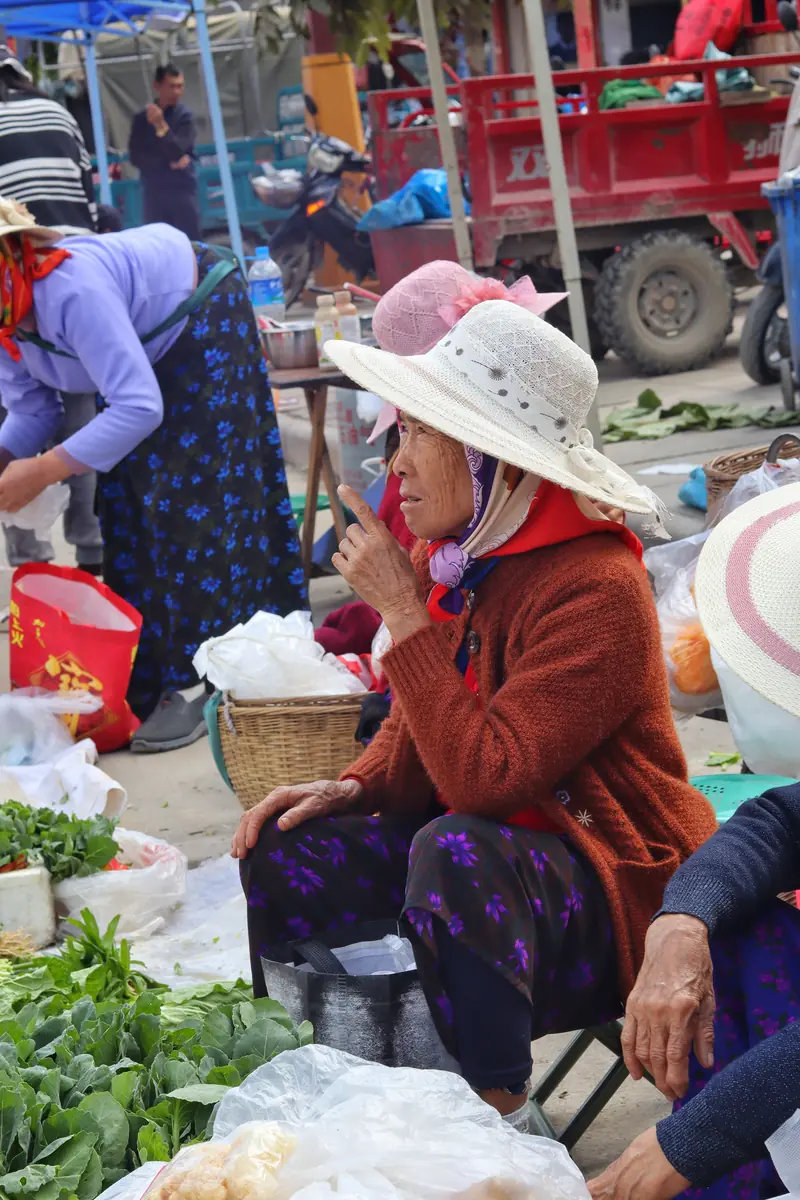
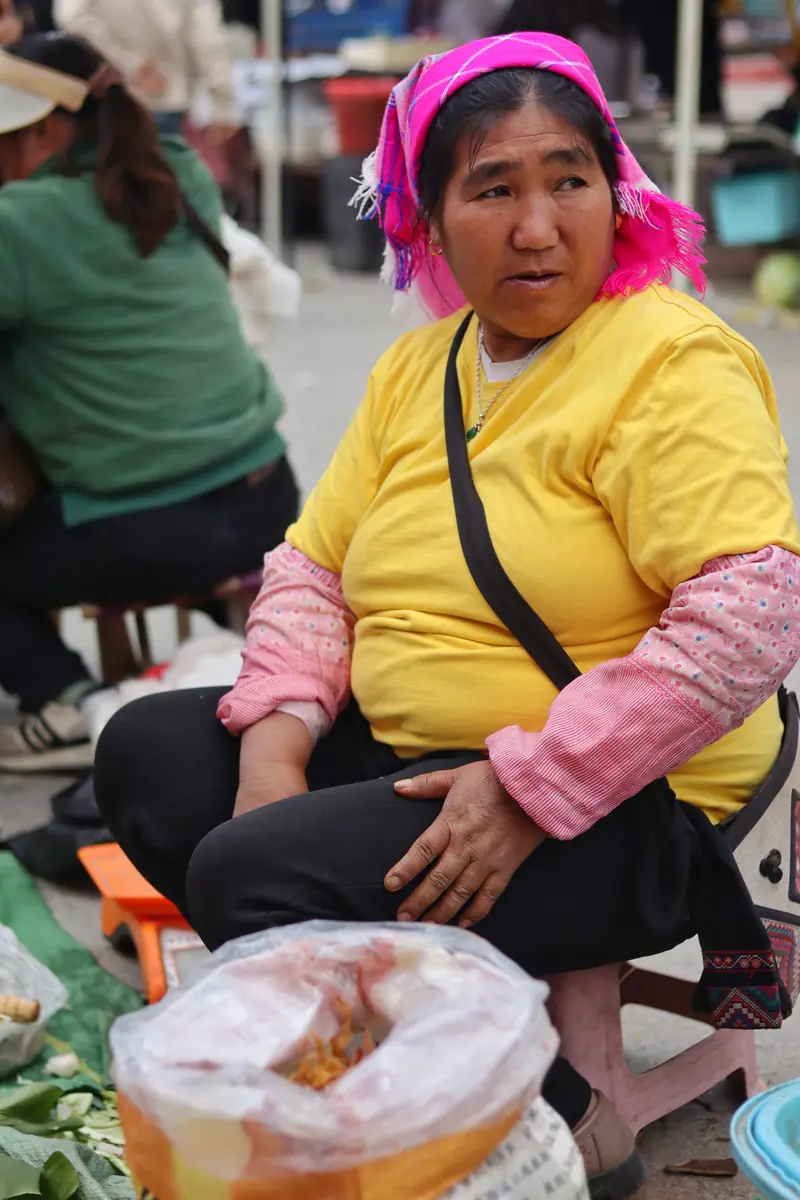
A local ethnic minority market day near Menghai
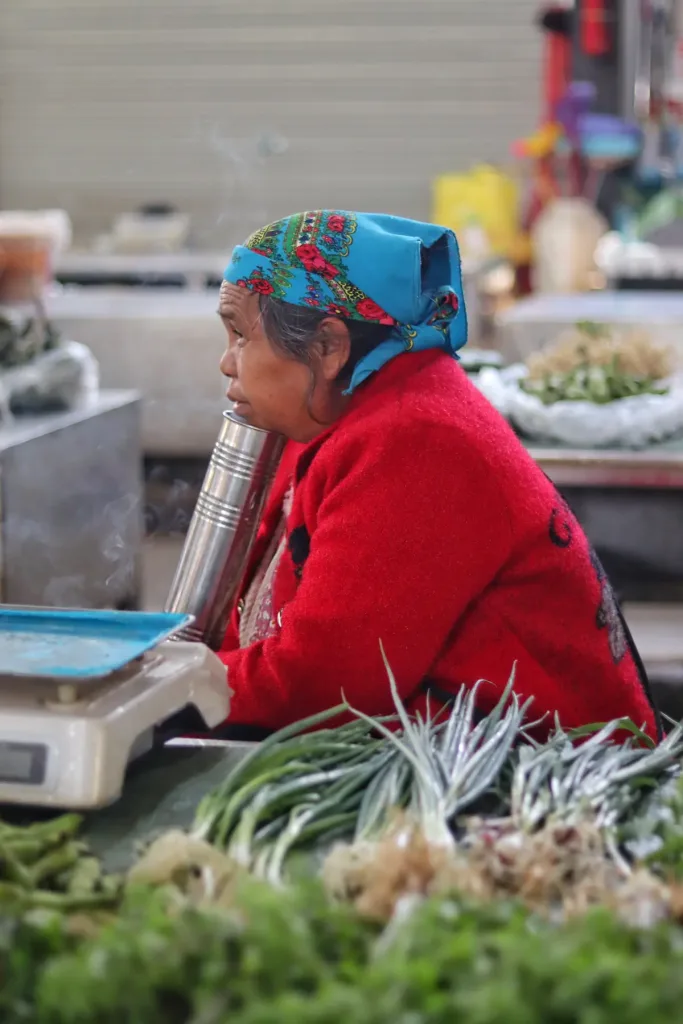
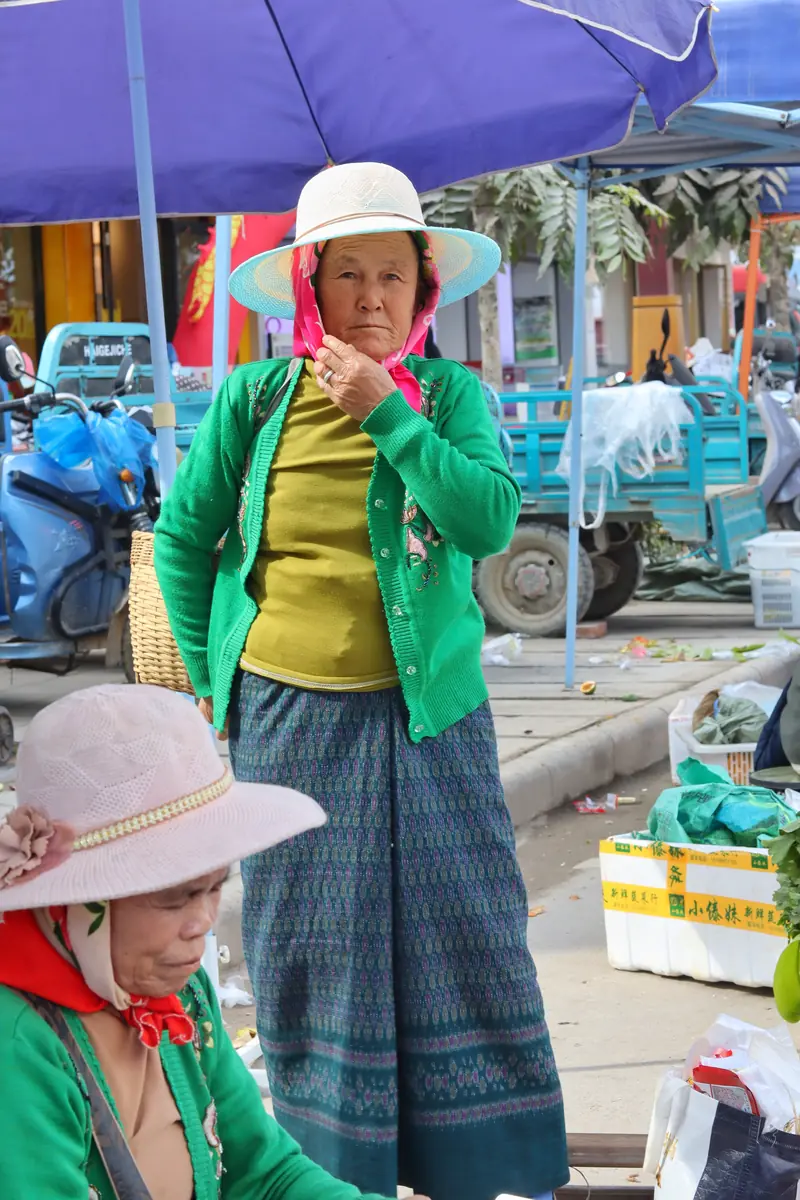
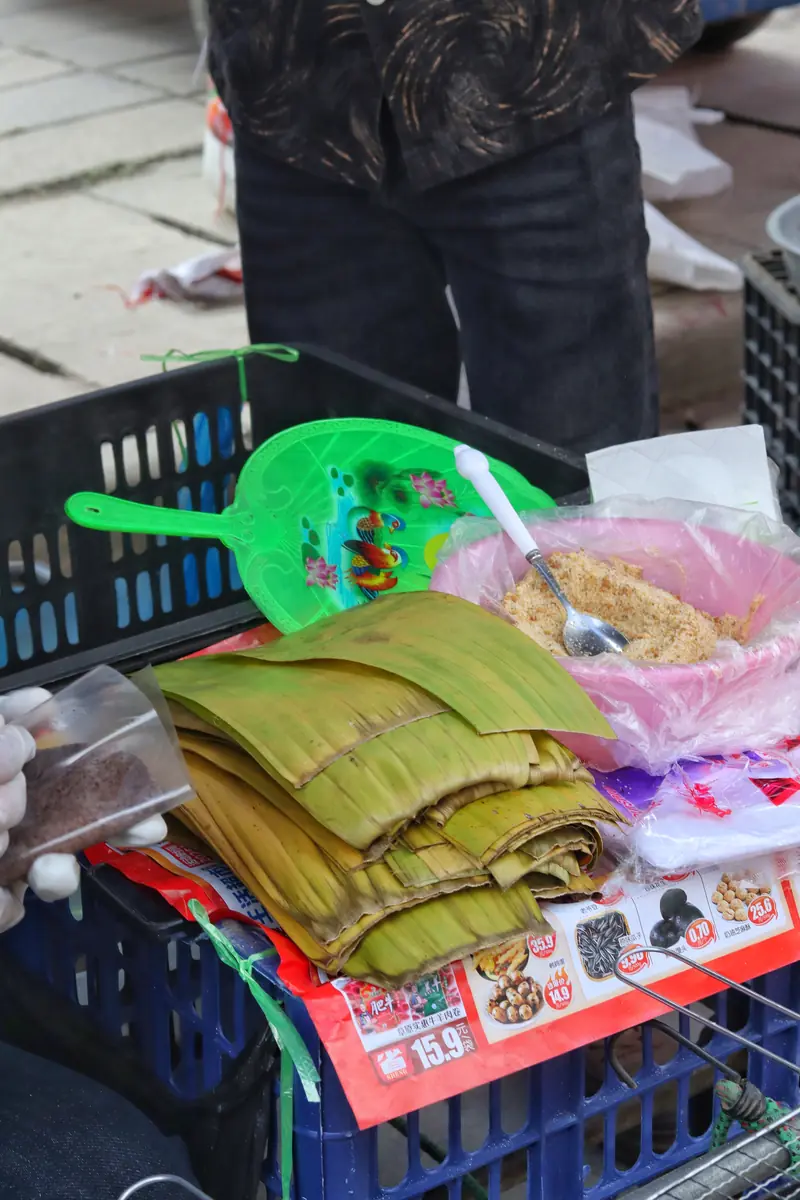
We begin the day with a visit to a local ethnic-style market in a small town in Menghai, Xishuangbanna. Ethnic markets in Yunnan offer a vivid window into the region’s remarkable cultural diversity. Held regularly in small towns and townships, these gatherings bring together different minority communities who travel from nearby villages to trade, socialize, and celebrate daily life.
On market days, many minority women dress in their finest traditional attire, filling the streets with color, texture, and movement. Local farmers and artisans sell fresh produce, wild ingredients, handmade crafts, and everyday necessities, creating a lively atmosphere where culture is lived rather than performed.
As we wander through the stalls, you’ll have the chance to sample freshly prepared Yunnan snacks and home-style dishes, cooked on the spot by villagers who move from market to market as part of their livelihood. It’s an immersive and authentic experience that brings together many of Yunnan’s cultural identities in one place.
A hands-on Dai papermaking experience in Menghai
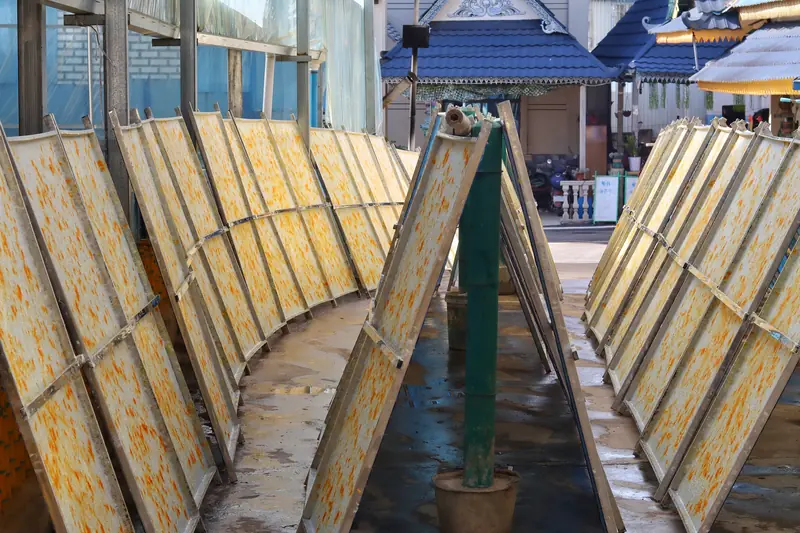
In the afternoon, we’ll head to a nearby Dai village in Menghai County for a hands-on papermaking experience and a closer look at one of the region’s oldest living traditions.
Tucked away in the lush countryside, this village has been making paper for generations. Here, the craft isn’t something preserved in museums—it’s still part of everyday life, quietly passed down over time.
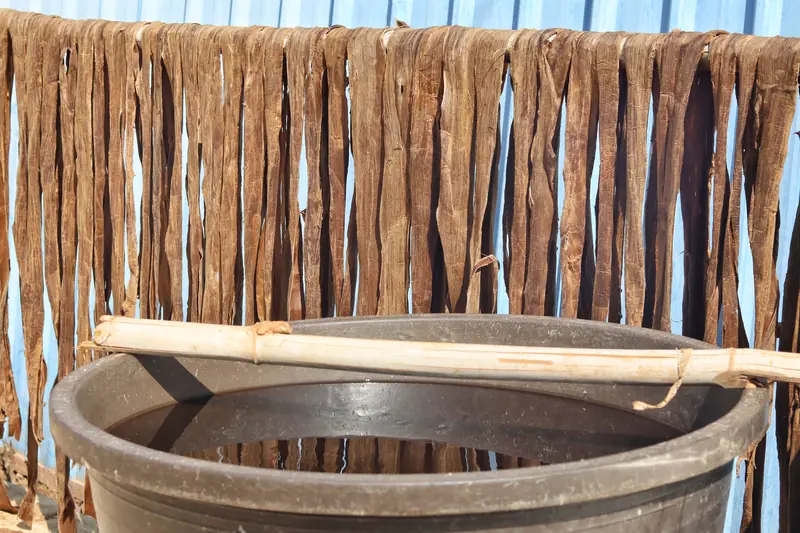
You’ll learn how Dai paper is made from the bark of local paper mulberry trees. The process is simple but labor-intensive: the bark is soaked, steamed, and then pounded into a soft pulp. Using basic frames and screens, the pulp is spread into thin sheets and left to dry naturally under the tropical sun.
You’ll also get to try it yourself, making your own sheet of paper using these traditional methods.
Each piece carries a natural texture and a sense of the slow, careful work behind it. In the past, this paper was used for Buddhist scriptures and preserving knowledge. Today, it’s still used locally, but also shows up in things like Pu’er tea wrapping, calligraphy, and handmade crafts.
An eco-lodge stay with a Bulang family
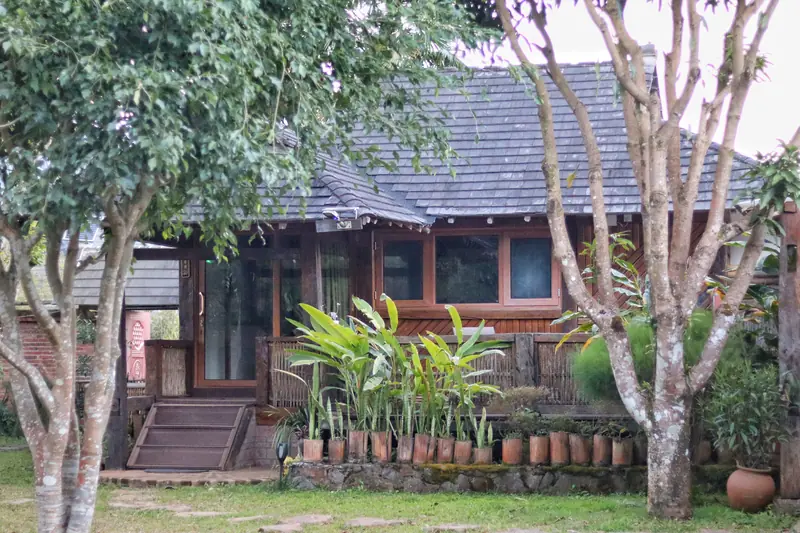
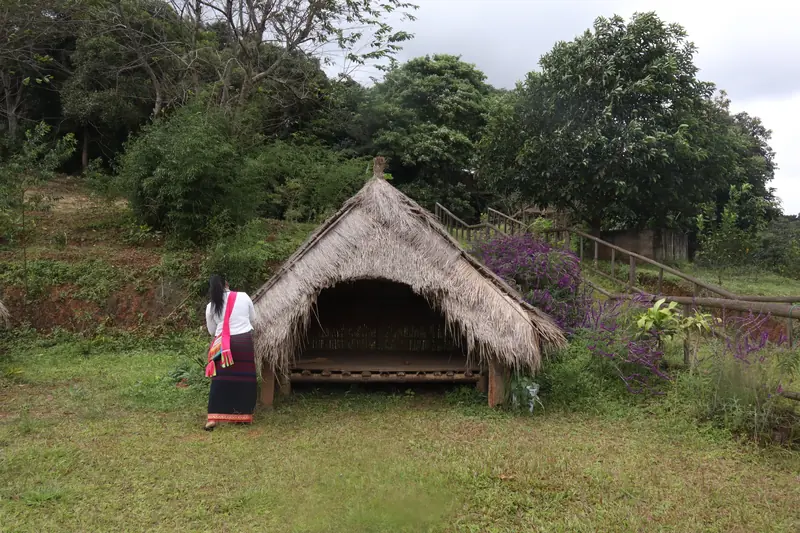
Tonight, we’ll stay in a Bulang village at a small, family-run eco-lodge hosted by a welcoming Bulang couple.
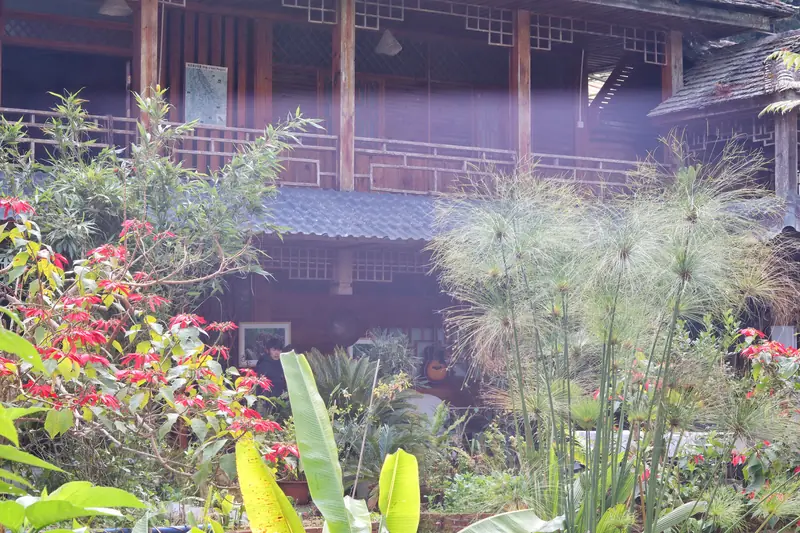
Located in the hills of Menghai County, their home blends sustainability with tradition, offering a genuine look at daily life in southern Yunnan. This is more than just a place to stay—it’s a chance to slow down and connect with the local way of living.
During your visit, you’ll walk through their organic farm, picking and tasting seasonal fruits while learning about Bulang farming practices, forest stewardship, and their approach to low-impact living.
In the evening, we’ll share a home-cooked dinner prepared by the family, featuring fresh vegetables, herbs, and traditional Bulang dishes grown right on their land.
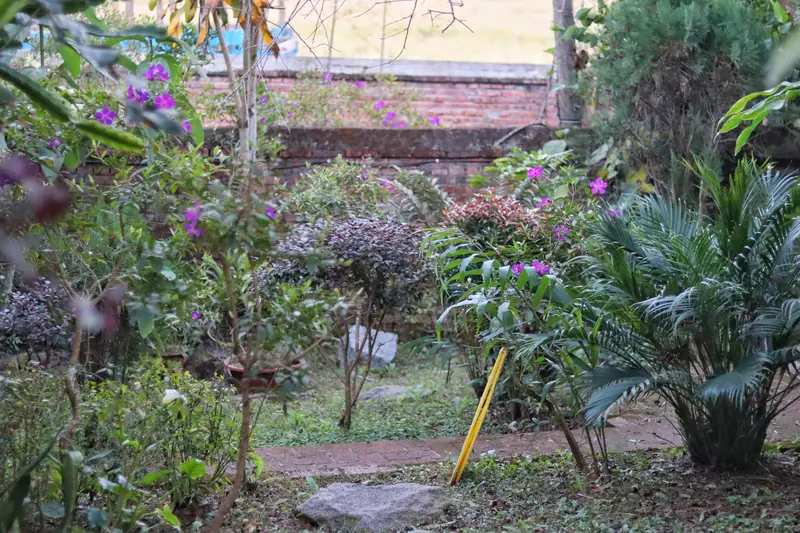
You’ll spend the night in their cozy eco-lodge, surrounded by fruit trees, fresh mountain air, and the quiet rhythm of village life.
Day 8
Bulang culture and village craft experience
Today, we’ll be guided by our Bulang host to explore everyday life in their village.
The Bulang people are among the oldest tea-growing communities in Yunnan, with a history closely tied to the mountains and forests of this region. For generations, they have cultivated and protected ancient tea trees, shaping many of the traditions that define Pu’er tea today. Their culture remains deeply connected to nature, with daily life still following a slower, seasonal rhythm.
As we walk through the village, you’ll get a glimpse of local life—passing traditional homes, meeting friendly neighbors, and learning more about Bulang customs and way of living.
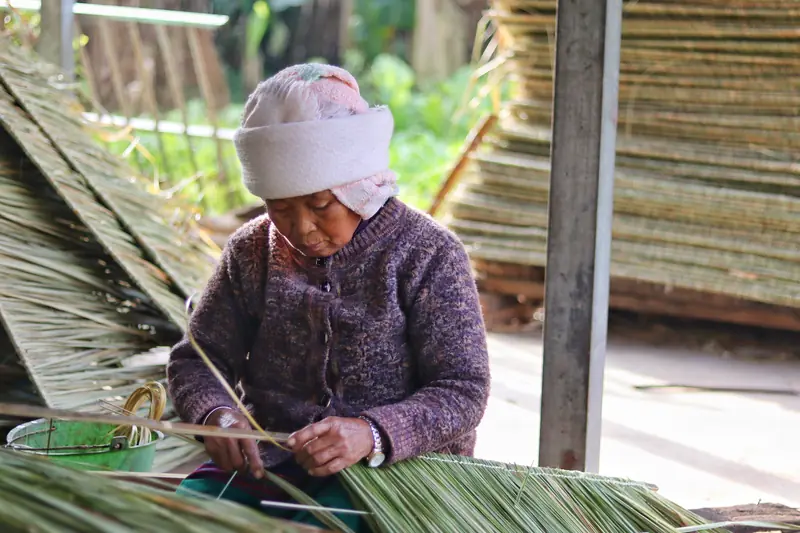
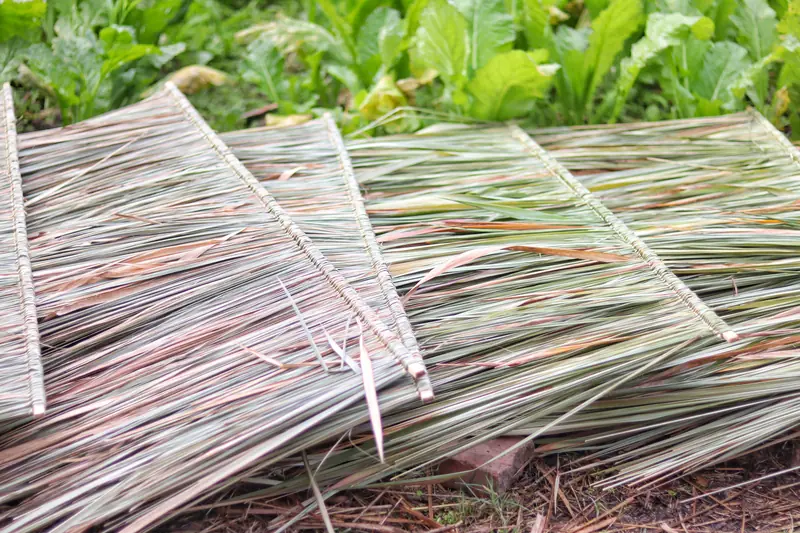
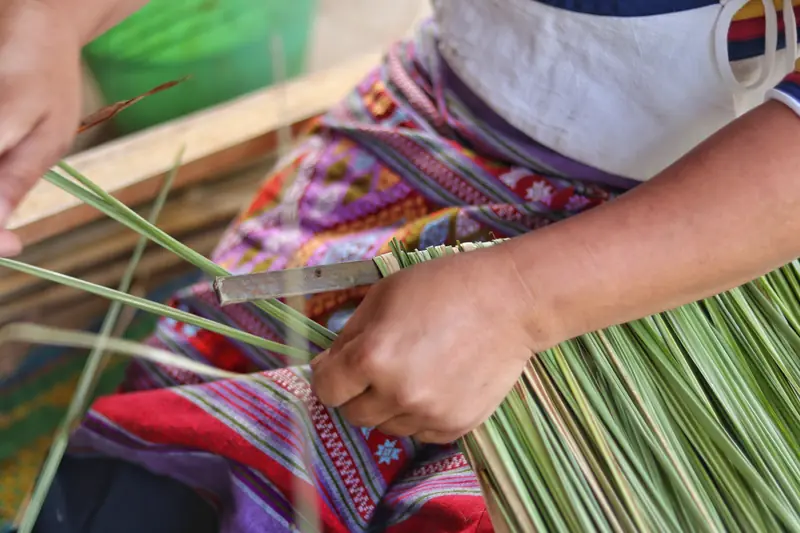
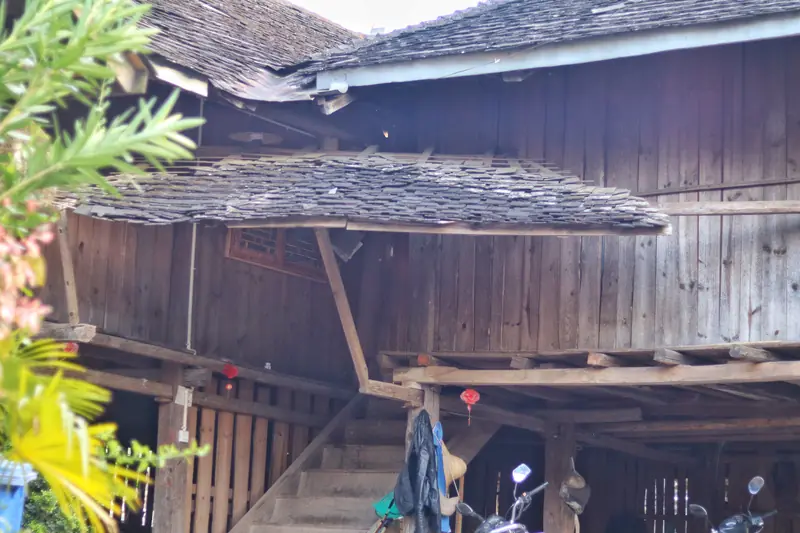
To round out the experience, we’ll roll up our sleeves and join a local family to try making traditional reed mats. For centuries, these mats have been used to cover and decorate the roofs of homes and huts, a practical craft closely tied to the surrounding landscape.
The process is simple but time-consuming: reeds are cut, sorted, and cleaned, then dried under the sun before being carefully woven into mats and left to dry once more. Making a single mat can take several days of work.
Despite the effort involved, each mat sells for just over a dollar. For many older villagers, this craft provides a small source of income while allowing them to stay active and continue a tradition they’ve carried throughout their lives.
Today, these reed mats are still widely used—by local families as well as cafés and small guesthouses—laid across rooftops for protection from sun and rain, or simply to give buildings a warm, natural finish.
A cultural walk through an Aini village(Hani)
In the afternoon, we’ll continue our journey to an Aini village, home to a subgroup of the Hani people of Yunnan.
The Aini—who traditionally refer to themselves as Akha—are part of a wider cultural group spread across the mountains of southern Yunnan and into Southeast Asia. Over time, the name “Aini” has become more commonly used locally, as the original term can carry derogatory connotations in certain contexts.
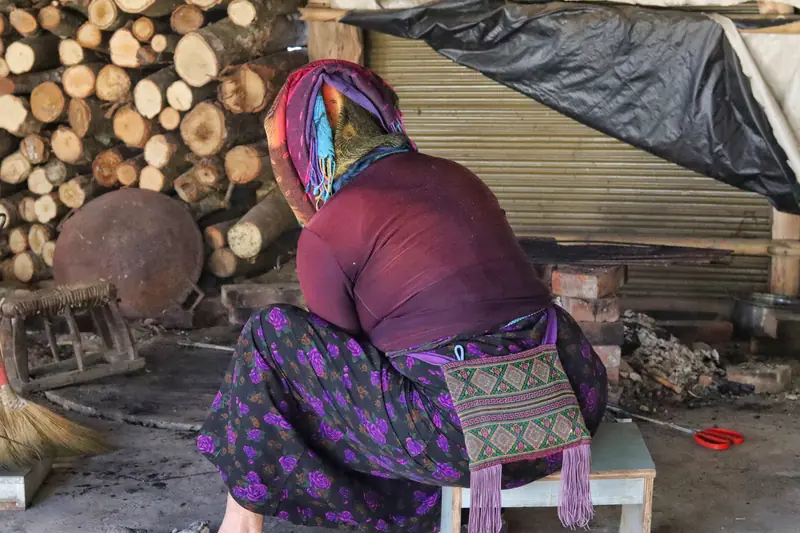
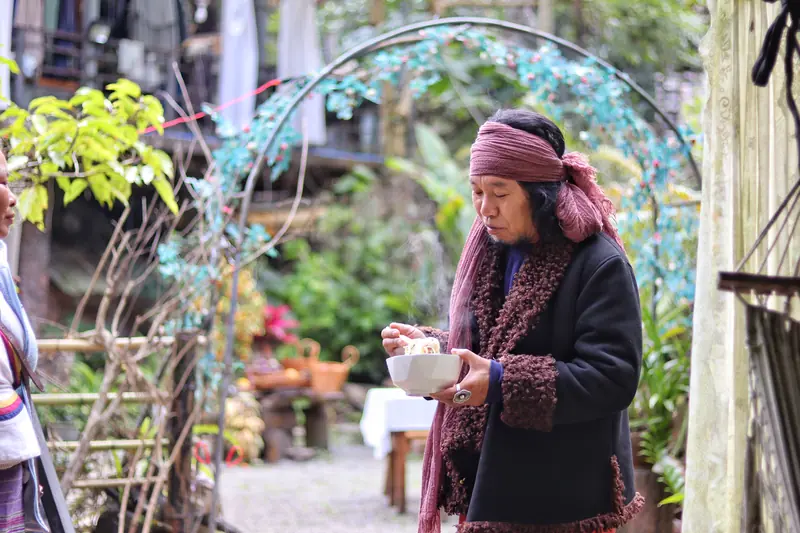
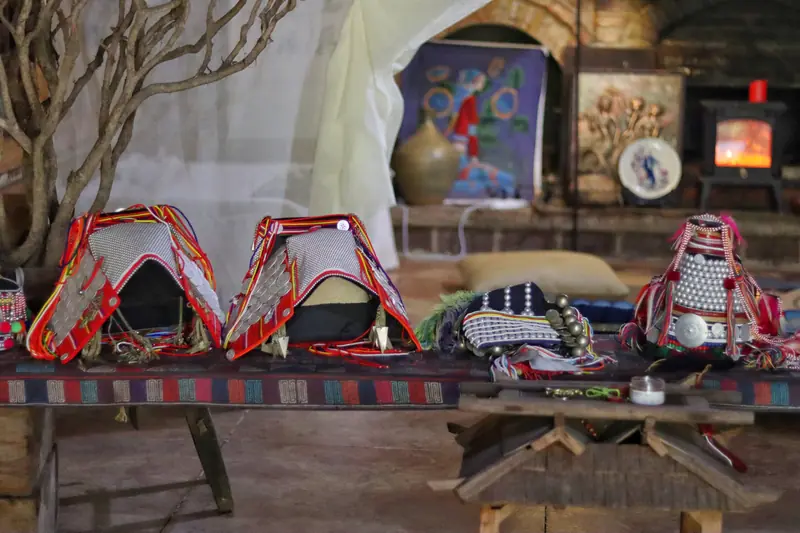
Known for their vibrant and highly distinctive clothing, Aini dress is rich in detail and symbolism. Women often wear dark indigo garments adorned with intricate embroidery, silver ornaments, and decorative headpieces, each element reflecting identity, age, and cultural heritage. Their traditional attire remains an important part of daily life and local festivals.
Led by a local Aini guide, we’ll walk through the village, meet neighbors, and get a closer look at everyday life.Along the way, you’ll learn more about their customs, traditions, and how their culture continues to adapt while staying rooted in the mountains they call home.
Day 9
Exploring lesser-known, quiet tea villages in Jingmai Mountain
Today, we’ll head to one of the more well-known areas in the Pu’er region — Jingmai Mountain and its surrounding villages.
Recognized as a UNESCO World Heritage Site, Jingmai Mountain has become an increasingly popular destination for visitors. Around the mountain, there are 14 traditional villages, many of which have been impacted by mass tourism and, in some cases, over-commercialization.
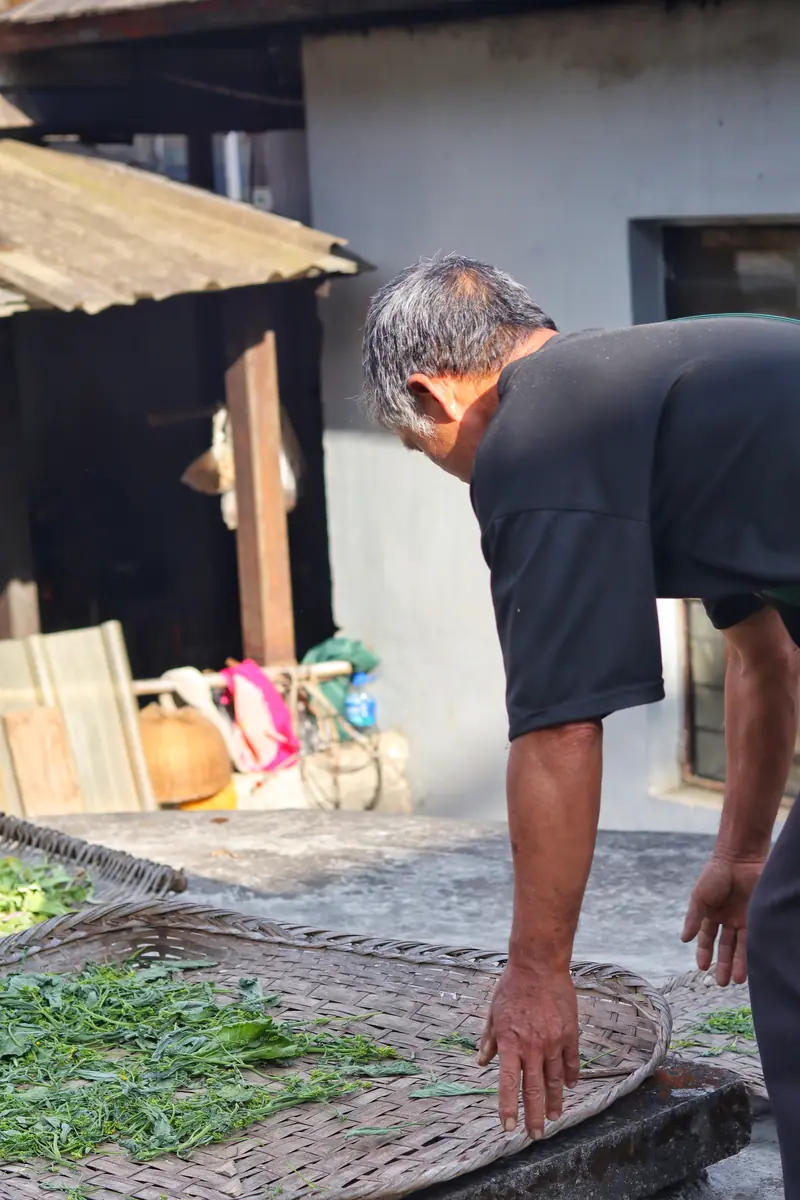
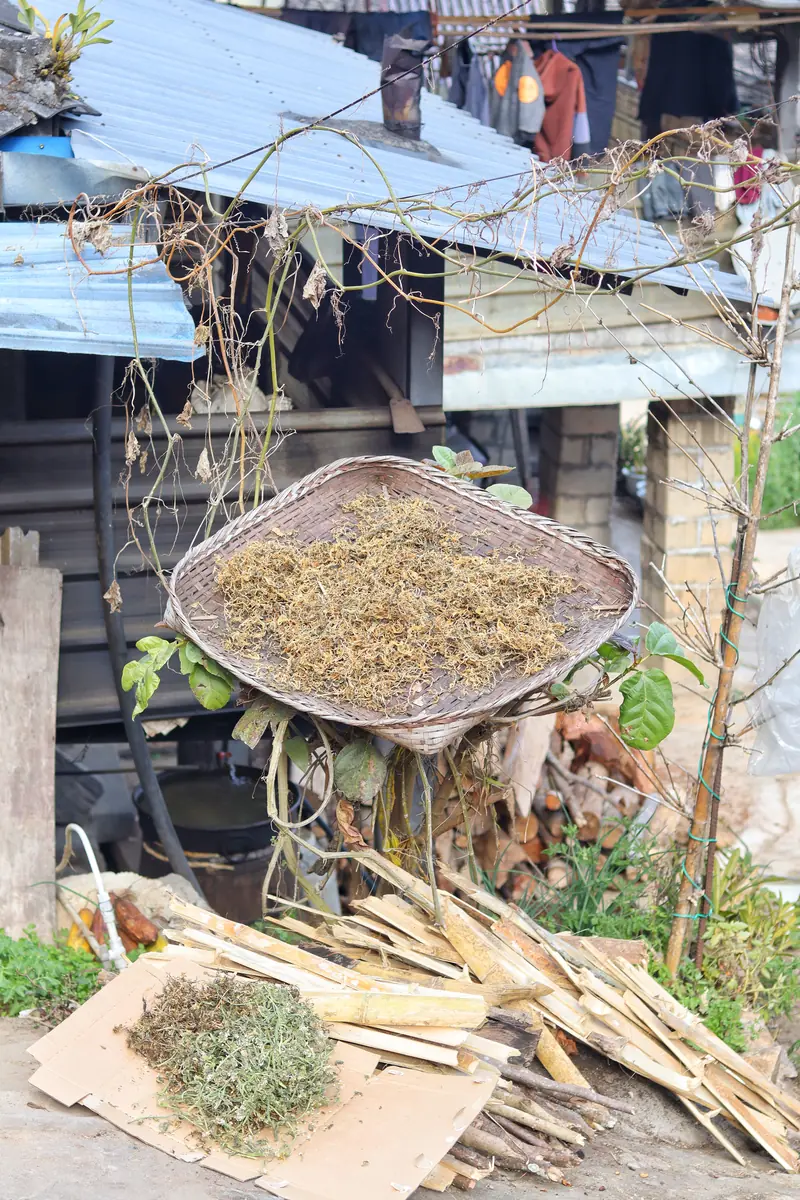
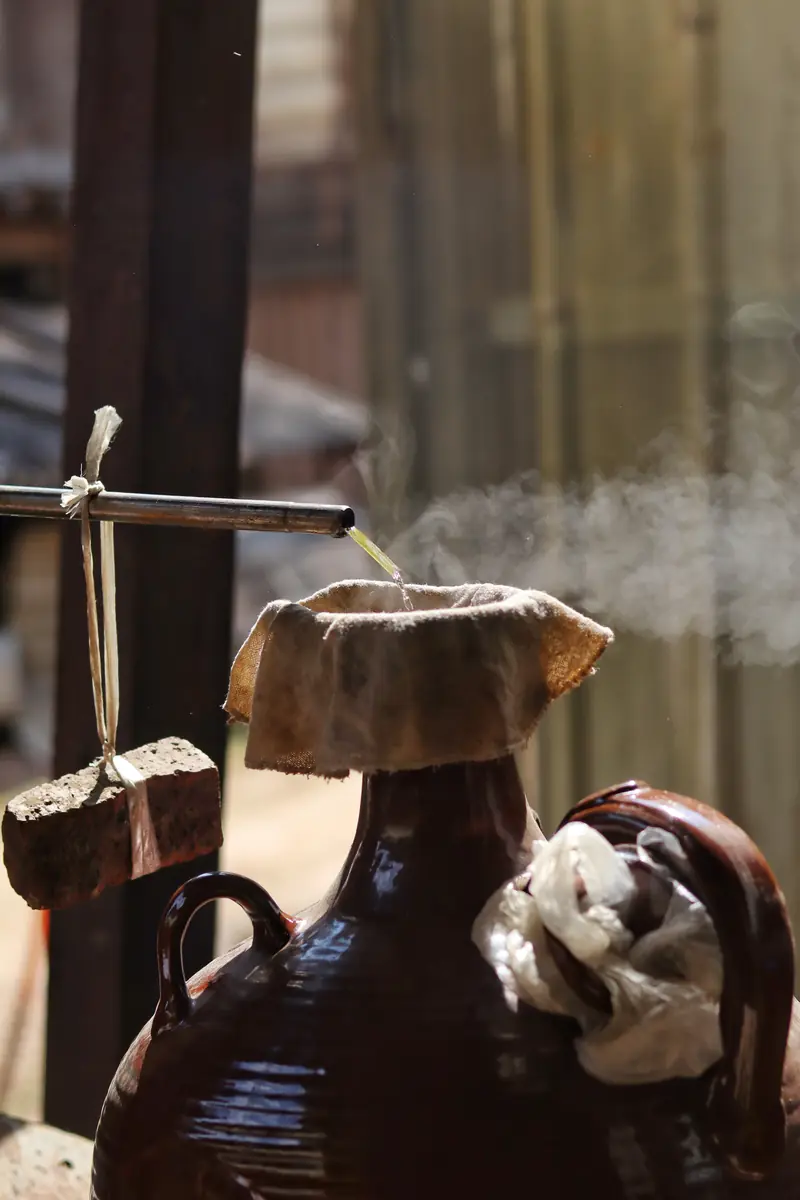
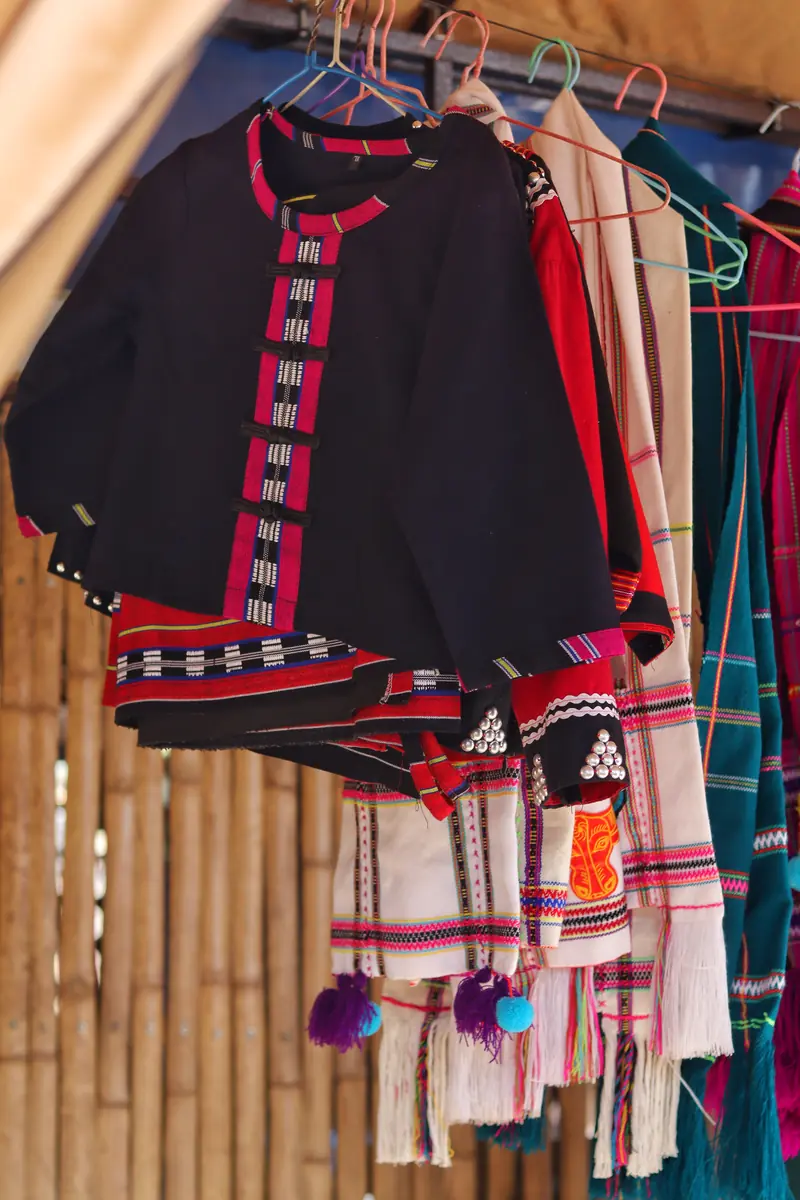
Instead, we’ll visit a couple of the lesser-known, quieter villages where life has remained relatively unchanged despite the recent tourism boom. We’ll take time to walk through the villages and gain insight into local traditions, including ancient tea cultivation, traditional clothing, and home-style alcohol making.
Jingmai Mountain is also one of the “new six famous tea mountains” of Pu’er tea, and notably the most representative one located in the Pu’er region, while many of the others are found in Xishuangbanna. With a tea cultivation history of over a thousand years, it is home to one of the oldest and best-preserved ancient tea landscapes in the world.
The area is inhabited by several ethnic groups, including the Dai, Wa, and Hani peoples, whose deep connection to the land and long-standing tea traditions have shaped both the landscape and way of life here.
Discovering Lahu village life and music
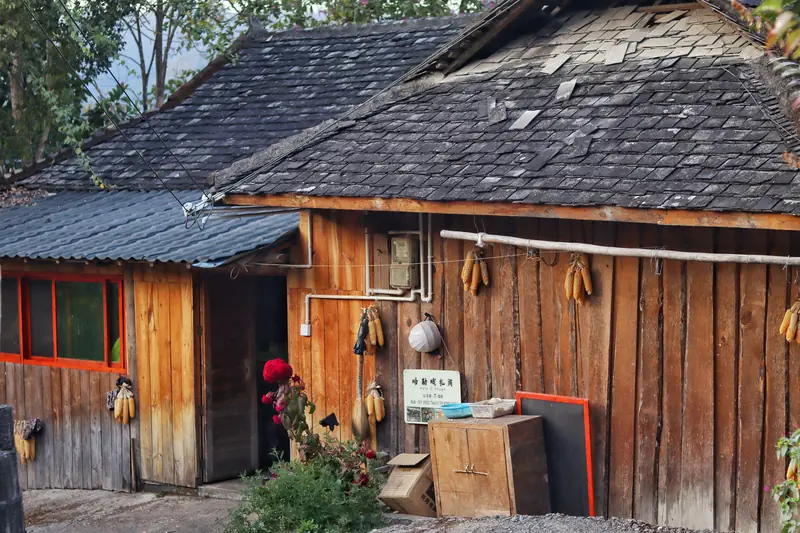
In the afternoon, we’ll head to a nearby Lahu village in the Jingmai Mountain area.
The Lahu are one of the ethnic minority groups in southern Yunnan, living mainly in the mountainous regions around Pu’er and Xishuangbanna. Traditionally, they are upland farmers with a lifestyle closely connected to the forest and highland environment, and many villages still maintain a strong sense of community and cultural identity.
The Lahu are also well known for their musical traditions. Singing is an important part of daily life, and in many villages, people grow up learning to play simple instruments and sing together in group settings, whether at gatherings, festivals, or during everyday work.
We’ll walk through the village with a local guide, learning about traditional Lahu life and meeting local families along the way. Later, we’ll be welcomed into a Lahu home to enjoy a home-cooked meal, followed by an evening of traditional singing and dancing with the family—an open, joyful expression of their culture and way of life.

Day 10
A local market visit in Menglian, near the Myanmar border
Today, we’ll head to Menglian, a border town near Myanmar that still feels largely off the radar. Tucked away in the southwest corner of Pu’er, it remains quieter than many other destinations in Yunnan, shaped by its remote location and diverse mix of ethnic communities.
While Menglian has recently gained more attention for its growing reputation in Yunnan’s specialty coffee scene, it’s also one of the few places in the province known for producing high-quality avocados. Alongside coffee, the region’s fertile climate supports a wide range of tropical fruits and local agricultural products.
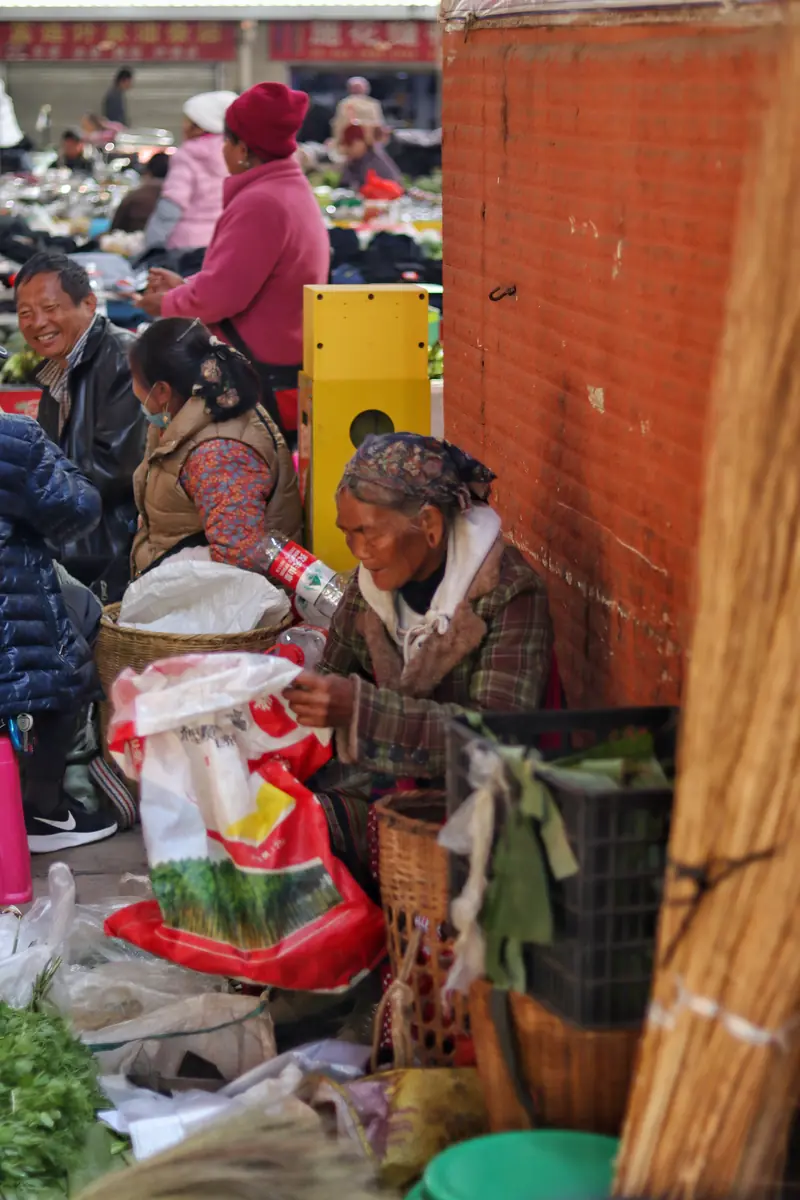
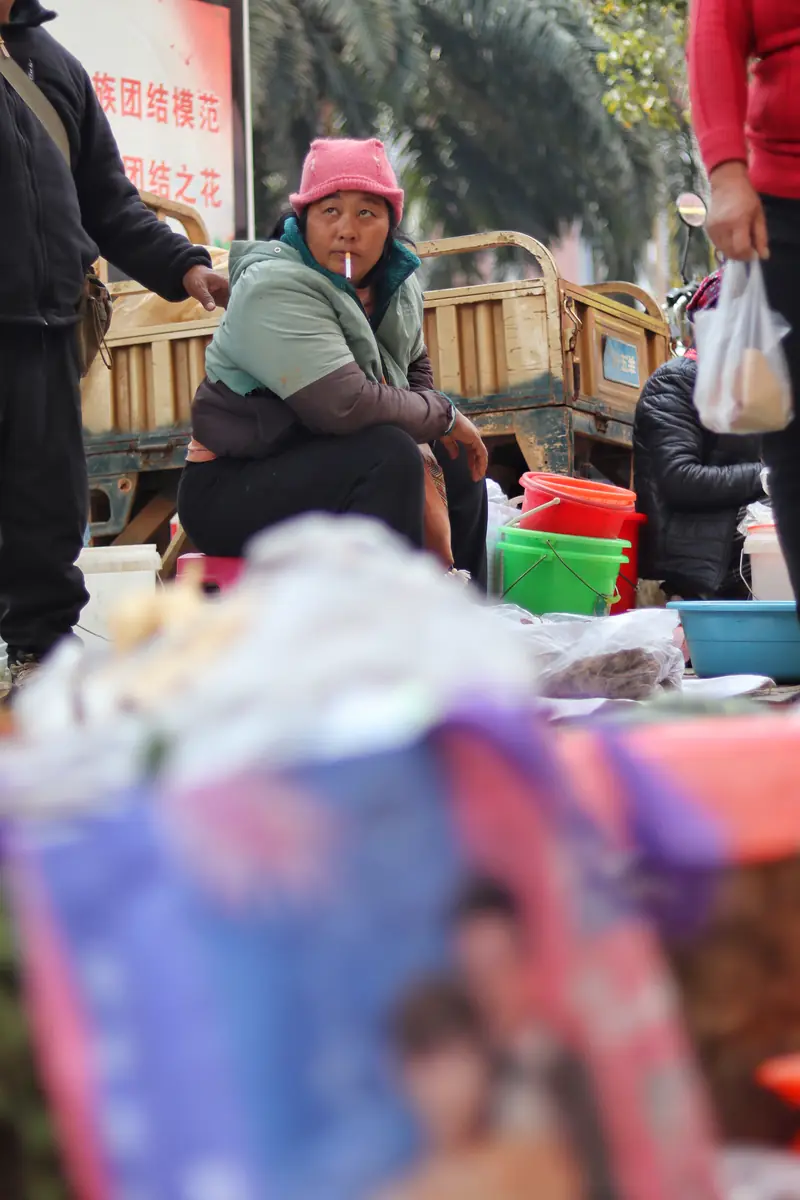
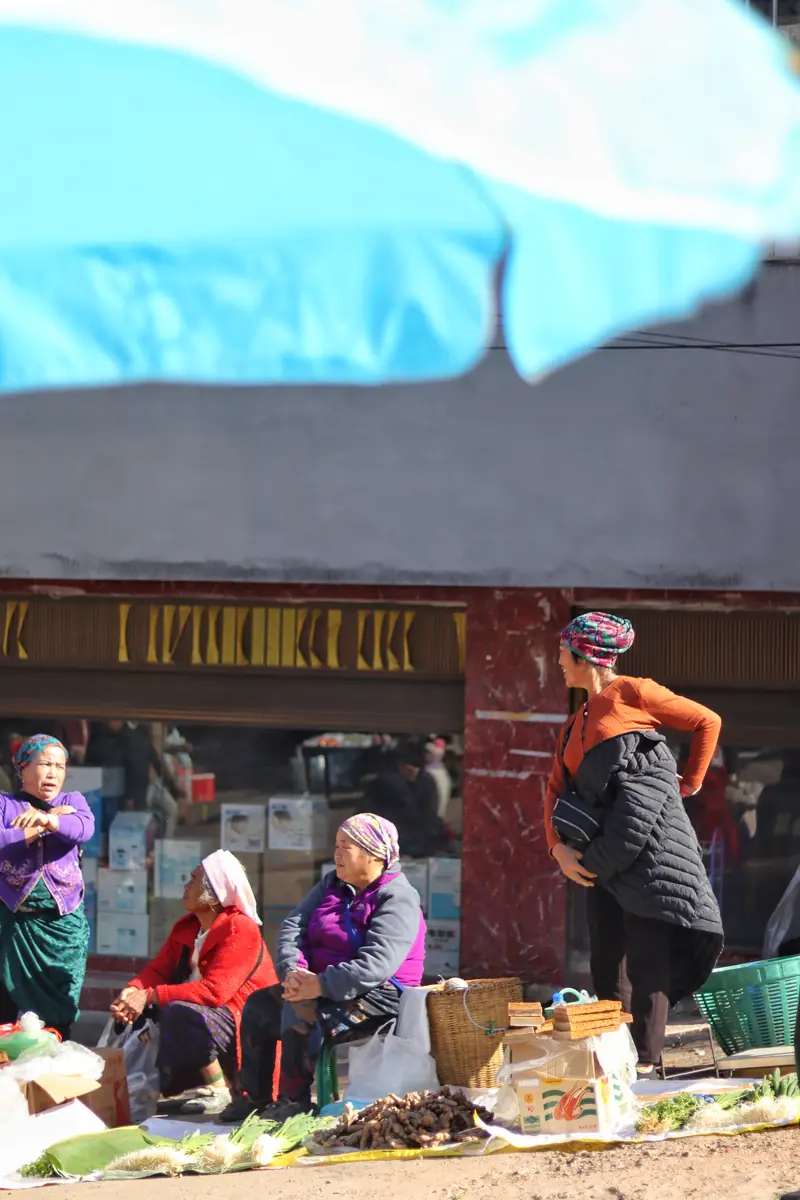
If you visit during the season, we’ll explore the local market in town—an everyday gathering place filled with fresh avocados, seasonal fruits, and regional snacks. It’s a simple but lively space that reflects the rhythm of local life.
The market is also a great place to encounter people from the Dai, Wa, and Lahu communities, offering a relaxed glimpse into the everyday culture of this border region where different traditions meet and blend.

A hidden hot spring experience near Menglian
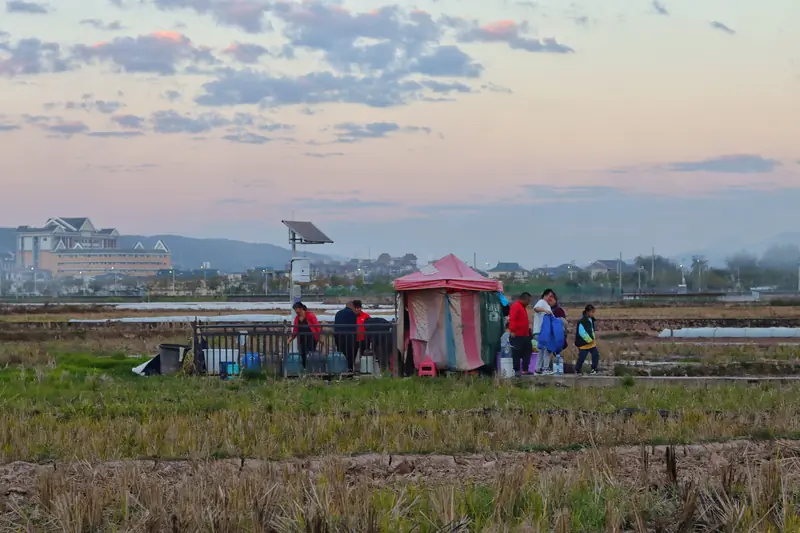
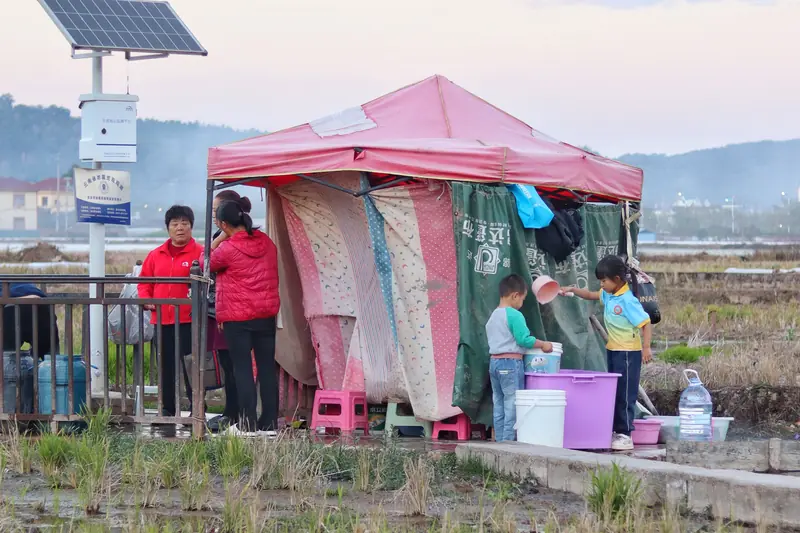
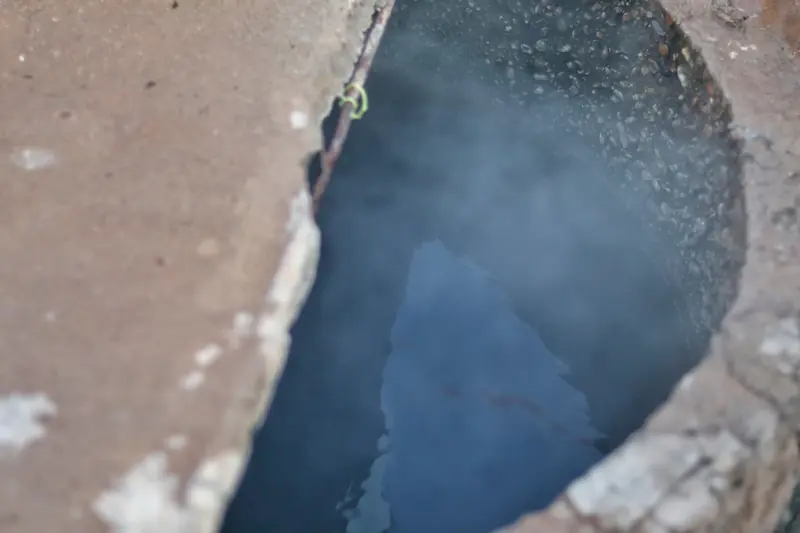
In the afternoon, we’ll head to a hidden hot spring spot just outside Menglian, a place mostly known and used by locals. People from nearby villages come here to collect warm spring water for bathing at home, or simply to enjoy a foot soak after a day of work.
Yunnan is rich in geothermal resources, and almost every region in the province has natural hot springs scattered across its mountains and valleys. These springs have long been part of daily life in many communities, used not only for relaxation but also as a simple, natural way of caring for the body.
Here, we’ll join locals for a traditional-style foot soak, sitting together by the warm spring water and experiencing this everyday ritual the local way—simple, relaxed, and deeply connected to the landscape.
Day 11
A deep dive into Yunnan’s specialty coffee in Menglian
Today, we’ll dedicate the whole day to diving deeper into Yunnan’s fast-growing coffee scene. Menglian is one of the most important regions in the province for high-quality specialty coffee, often referred to locally as a “specialty coffee town” thanks to its strong production and growing reputation.
We’ll begin on a local coffee street, sampling some of the best coffees the region has to offer—carefully crafted hand-poured brews that showcase the character of Yunnan beans.
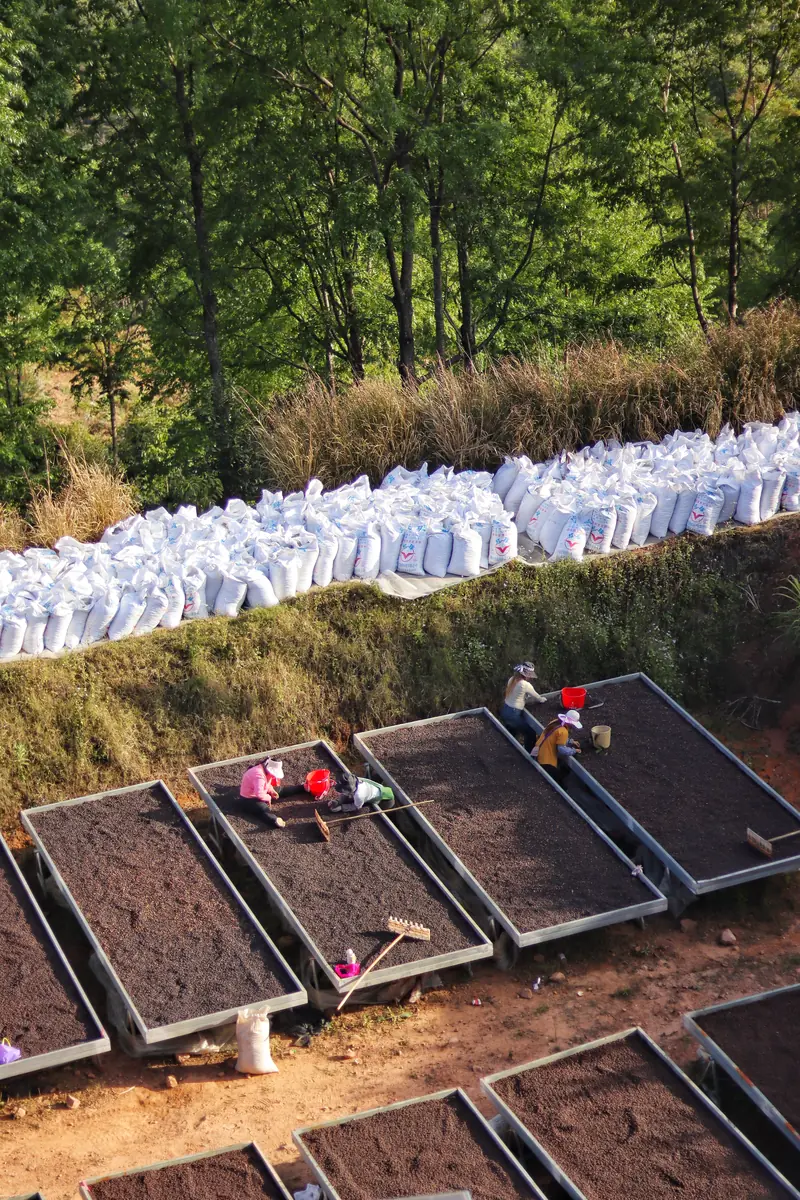
From there, we’ll head out to different coffee farms to learn the full journey from plant to cup. You’ll see how coffee is grown, processed, roasted, and brewed, and gain a deeper understanding of what makes Yunnan coffee so distinctive.
If you’re visiting in season (winter), you’ll also have the chance to roll up your sleeves and join local farmers for a hands-on experience—picking coffee cherries and taking part in small-scale roasting.
Along the way, we’ll also meet and spend time with members of local ethnic minority communities who cultivate coffee here. Through conversation, you’ll learn about their culture, daily life, and how coffee has gradually transformed their livelihoods over the years.
Day 12
Check out of your hotel and continue your Yunnan journey at your own pace, or transfer to the airport or train station for your journey home.
We will commence our journey in Pu’er. Kindly ensure your arrival in Pu’er for first dinner and hotel check-in.
We prioritize locally sourced, plant-forward, and organic ingredients, advocating for a low-carbon, eco-friendly, and healthy diet. The meals provided during the tour will predominantly consist of plant-based options, supplemented by select high-quality local non-vegan choices or fully vegan alternatives. We accommodate vegan, vegetarian diets, gluten-free or other requests.
Throughout the tour, public or local-style restroom facilities are accessible, while western-style toilets are predominantly available in hotels and large shopping complexes.
For a more authentic experience and to really support the local business, we usually choose clean, characteristic and comfortable local accommodation over international hotels, but when there are no local options, we would stay in regular local or international hotels. Every room is usually shared by two people. For single room supplement, please consult us prior to booking for pricing.
Ensure you pack comfortable footwear, waterproof hiking boots, a rain jacket, a swimsuit, towels, a toothbrush. Additionally, we suggest bringing along a reusable shopping bag.
Reusable bowls, bamboo chopsticks, spoons will be provided for guests. However, we strongly encourage you to bring your own reusable items.
As part of our eco-friendly initiative, we will furnish you with an eco-travel gift box for use during the tour. This includes items such as a bamboo toothbrush, tooth tablets, and soap bars.
During this tour, our guide will introduce you to our low impact lifestyle. We will assist you in minimizing the use of single-use plastic disposables by encouraging refusal and offering alternatives.
Price List Varies by Group Size
Tour Type: private tour
1500-3000 RMB per person per day
please consult us first about the pricing prior to booking
- All Food and Water(Breakfast, lunch, dinner and snacks)
- All Workshops
- Tickets to all the Sights(included in the tour)
- Experienced Local English-Speaking Guide
- A Private Electric Car or Van with Professional and Responsible Driver
- Airport or Train Station Pickup
- Accommodation
- Mandatory Insurance
【Price Includes】
- Tips (Optional)
- Souvenirs and Personal Expenses
- International/Domestic Flights or Trains
【Price Excludes】
Interested in a Custom Pu’er & Banna Journey?
The Pu’er and Xishuangbanna region offers a very different side of Yunnan—warmer, greener, and deeply shaped by tea culture, tropical landscapes, and ethnic diversity. This journey takes you through ancient tea mountains, coffee farms, village markets, and lesser-known rural communities, offering a slower and more immersive experience away from the usual tourist route. Along the way, you’ll explore local food traditions, family-run stays, and hands-on activities that create a deeper connection to the land and the people who live here.
Each itinerary is carefully crafted with a slower pace in mind, allowing room for flexibility, deeper interaction, and a more meaningful exploration of southern Yunnan’s living cultures and landscapes.
📩 Get in touch, and let us design your Pu’er & Xishuangbanna journey!
-
Best Season: Pu’er and Xishuangbanna enjoy a warm, subtropical climate throughout the year, with mild winters and generally stable temperatures. The region can be visited year-round, but conditions vary slightly by season.
* November to March (Dry Season / Winter): The most comfortable and popular period for travel, with warm days, cooler evenings, and lower humidity. This is also the main harvest season for coffee, making it ideal for hands-on farm experiences.
* April to June (Early Wet Season): Increasing warmth and humidity, with lush green landscapes and active agricultural life across tea and fruit-growing areas.
* July to October (Rainy Season): Frequent but usually short tropical rains, creating dense rainforests, powerful rivers, and especially vibrant scenery. Tea mountains and forests are at their most lush during this time.