Beyond the Classic
Beyond the Classic: Kunming-Dali-Lijiang-Shangri-La
Price Varies by Group Size
13 Days 13 Nights
Friendly to All Age
1-10 Pax
Beyond the Classic: A Deeper Journey Along Yunnan’s Most Well-Known Route
Yunnan has an incredible diversity to offer, yet for many first-time travelers, the classic route—Kunming, Dali, Lijiang, and Shangri-La—remains the natural choice. It’s easy to understand why: these regions are well-known, relatively accessible, and widely covered in English-language resources.
With that in mind, we’ve designed a two-week journey that follows this iconic route, but with a different approach. Instead of focusing on the most crowded highlights, we take you off the beaten path—into quieter villages, lesser-known landscapes, and more authentic local settings.
Along the way, you’ll still experience the essence of Yunnan: its rich ethnic cultures, diverse cuisine, and striking natural scenery. But you’ll do so at a more relaxed pace, with deeper, more meaningful encounters—away from the crowds, and closer to the rhythms of everyday life.
Sample 13-Day 13-Night Itinerary
While our tours are flexible and can be tailored to your schedule, we recommend at least 13 days for a truly in-depth experience of the classic Yunnan route.
Day 1
Arrive in Kunming, Yunnan
Check in your hotel and free time for leisure before group dinner
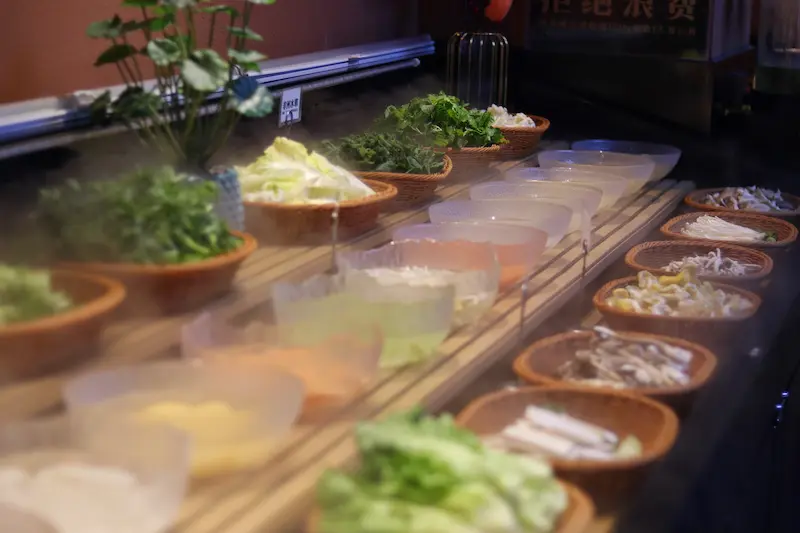
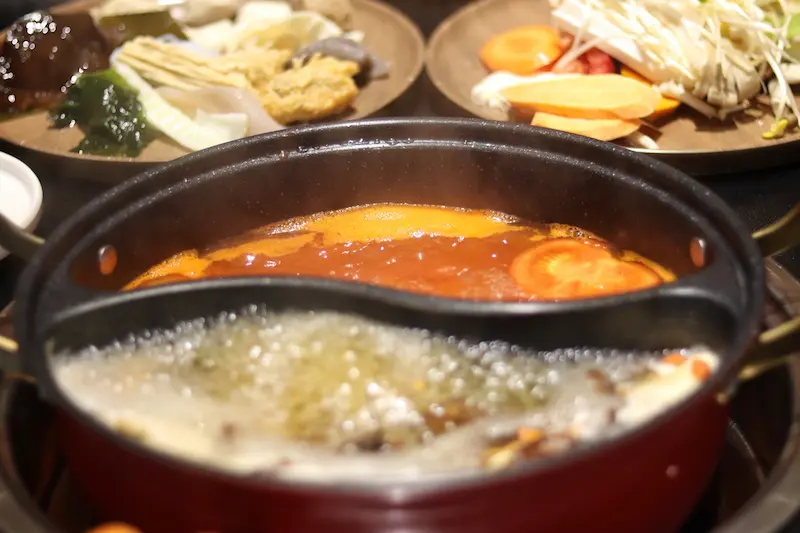
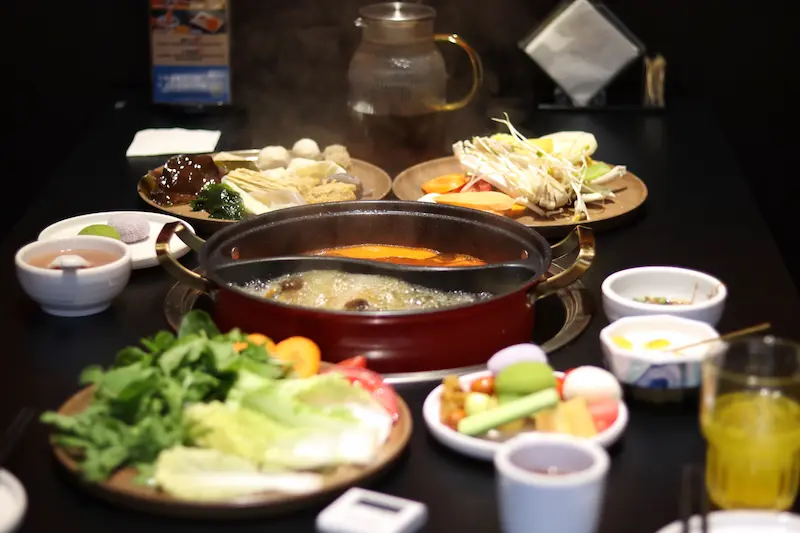
Dinner – wild mushroom hotpot
Yunnan is China’s treasure chest of biodiversity — a land where every season brings new flavors. During the rainy season (June–October), markets and streets across the province overflow with freshly foraged wild vegetables and mushrooms that spring to life with the rain and humidity.
Among the many local delicacies, the Wild Mushroom Hotpot is the ultimate Yunnan dining experience — rich, aromatic, and naturally full of umami. Thanks to modern preservation methods, we can now enjoy this local favorite all year round, while still savoring its authentic flavors.
On this tour, we’ll visit a local restaurant that offers wild mushroom hotpot all year round. No artificial seasoning — just the pure, earthy depth of the region’s finest wild fungi simmered to perfection.
Day 2
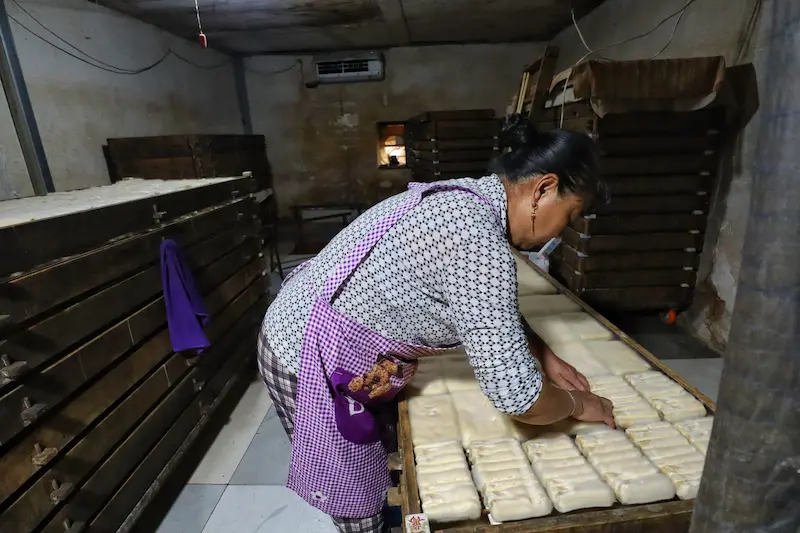
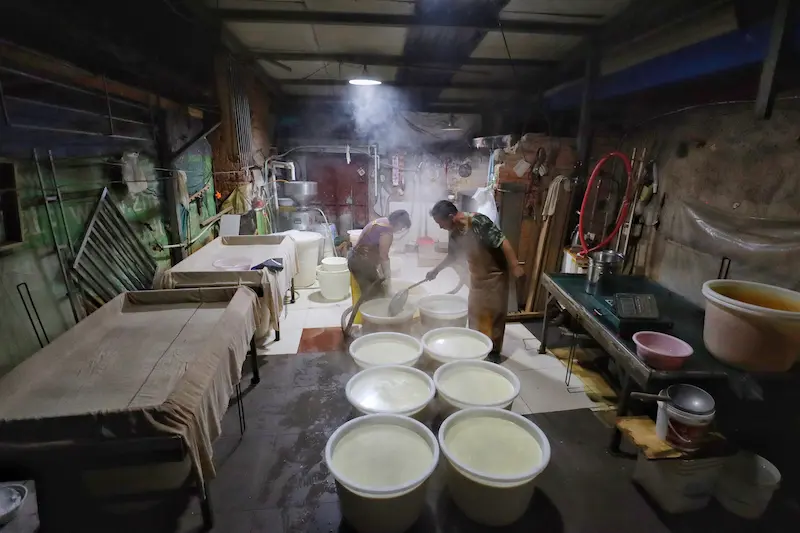
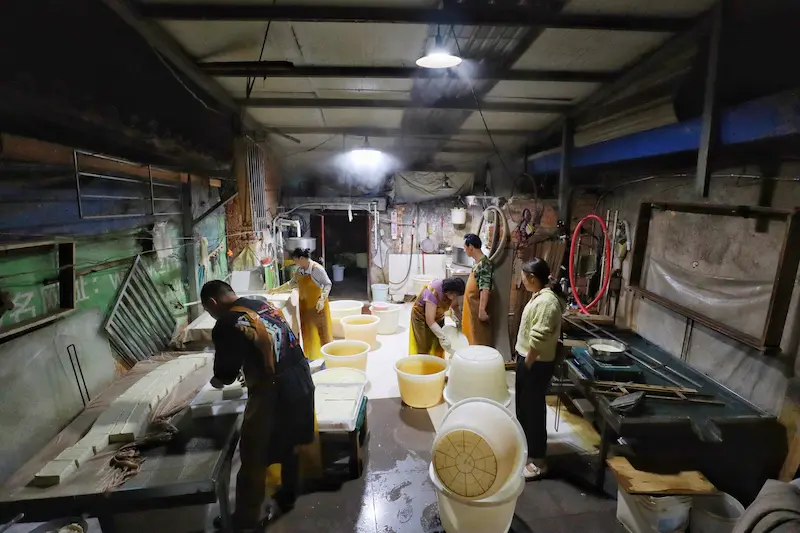
Visit an ancient tofu village in Kunming and tofu feast at a local restaurant in the village
We begin the day early, heading to a small village on the outskirts of Kunming that has been known for its tofu-making traditions for generations.
During our visit, we will step into several small family workshops run by local friends who continue to produce tofu the same way their families have done for decades.This is not a hands-on activity, but rather a chance to observe the rhythm of daily life and witness the careful, time-honored process of transforming soybeans into a wide variety of foods.
As we move from one courtyard workshop to another, you’ll see how soy milk is freshly pressed, how delicate tofu curds are formed, and how thin sheets of tofu skin are carefully lifted and hung to dry. We’ll also learn about one of the village’s more unusual specialties—hairy tofu, a naturally fermented tofu that develops a fine white fuzz and a deep, complex flavor.
Along the way we’ll sample a range of freshly made soy products, including warm soy milk, silky tofu pudding, fresh tofu, and tofu skin prepared in simple local styles.
To finish the morning, we’ll sit down for a generous tofu feast at a local restaurant in the village, where nearly every dish on the table highlights tofu in a different form—showcasing just how versatile and deeply rooted this humble ingredient is in local food culture.
Traditional soy sauce workshop & family lunch
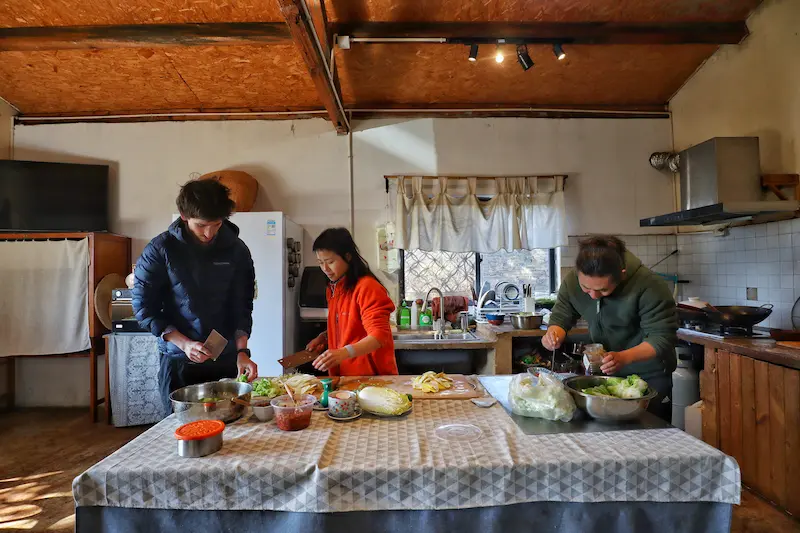
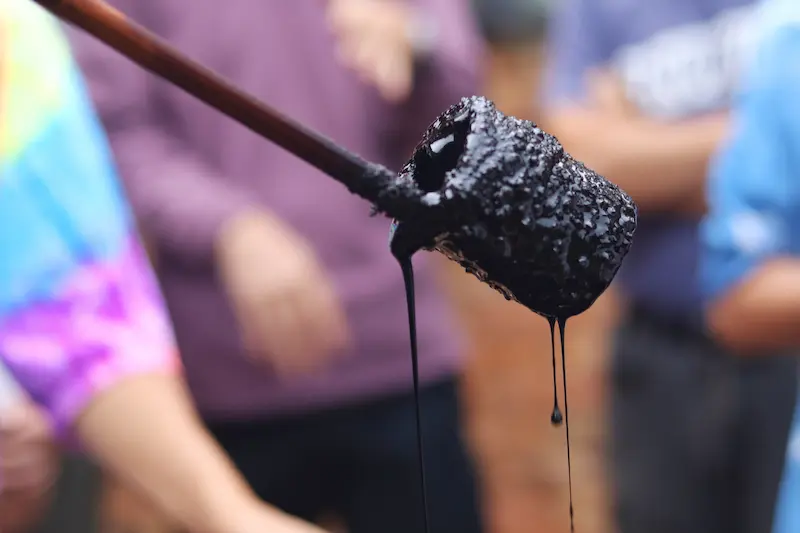
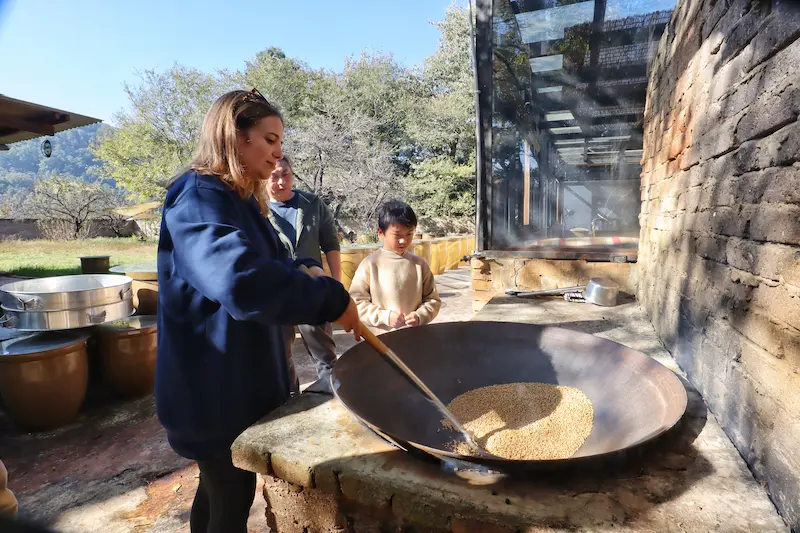
We’ll visit a small, family-run soy sauce workshop just outside Kunming, set on a piece of farmland away from the city. This is where the family has been making soy sauce the traditional way for years.
You’ll get a simple, hands-on look at the process—how soybeans and wheat are prepared, fermented, and slowly turned into soy sauce over several months. Everything is done using natural methods, without shortcuts or additives.
After the workshop, we’ll share a home-cooked meal with the family and cook alongside them using their soy sauce. It’s a relaxed, everyday experience—less about demonstration, more about spending time together and seeing how this craft fits into daily life.
Day 3
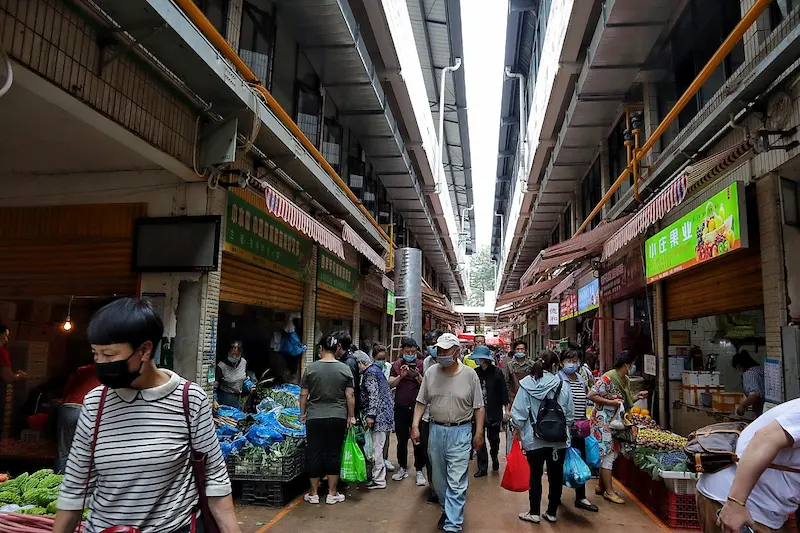
Morning food tour at Kunming’s most famous wet market
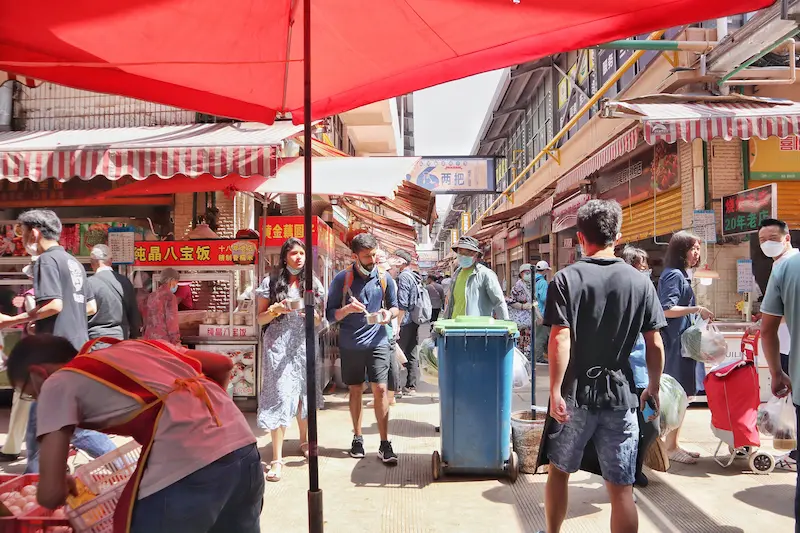
Stepping into this wet market—Kunming’s most well-known local market—feels like entering a living, breathing food scene, full of colors, aromas, and flavors. Stalls are packed with freshly harvested fruits, wild foraged vegetables, local grains, and regional specialties from across Yunnan.
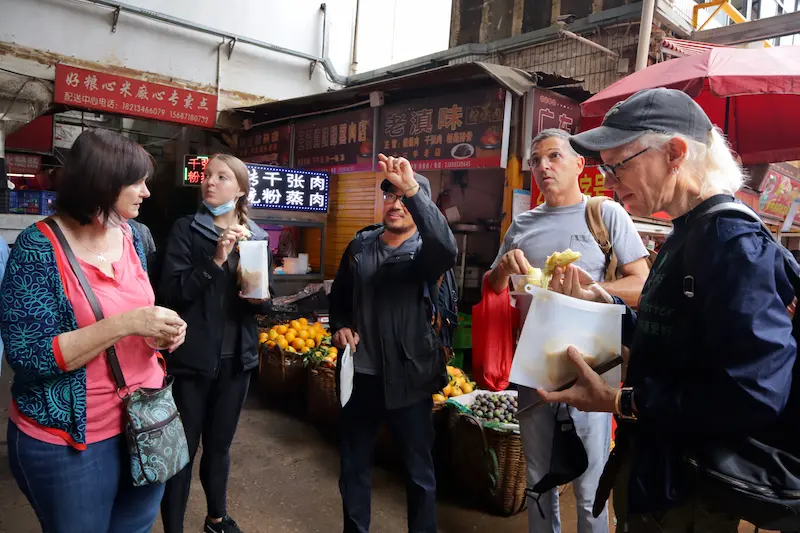
As we wander through the maze of stalls, your guide will invite you to sample a variety of local fruits, nuts, snacks, Yunnan coffee, and drinks, while sharing stories about the ingredients, where they come from, and how they’re used in everyday cooking.
We’ll also stop at a few favorite vendors to try some of Yunnan’s classic street foods—from douhua mixian (Kunming-style rice noodles with tofu and spices) to freshly fried lotus root fritters, as well as yellow pea purée and pea noodles.
Drive to Weishan, Dali, dinner at a local restaurant and overnight stay in Weishan
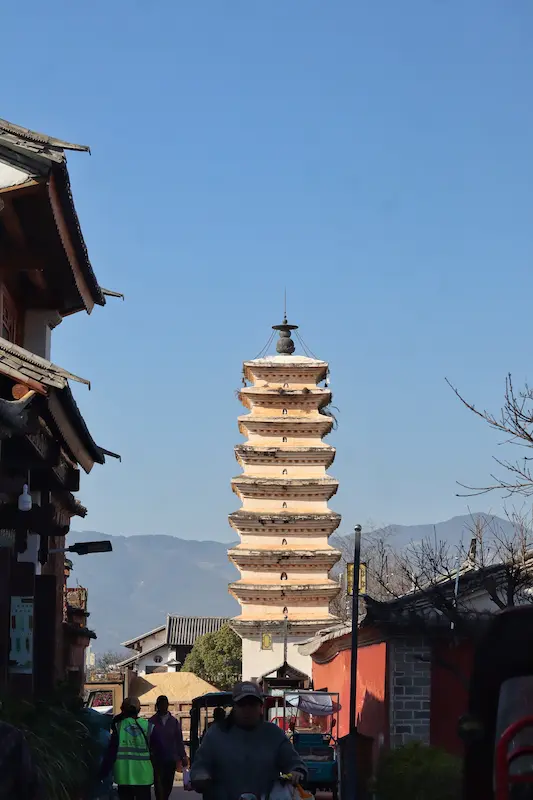
Weishan Old Town, one of Yunnan’s oldest and best-preserved towns, has a history of over 1,300 years. It was once the early political and cultural center of the Nanzhao Kingdom (8th–9th century), which later evolved into the Dali Kingdom (10th–13th century)—two powerful regimes that shaped much of Yunnan’s early history and its connections along the Ancient Tea Horse Road.
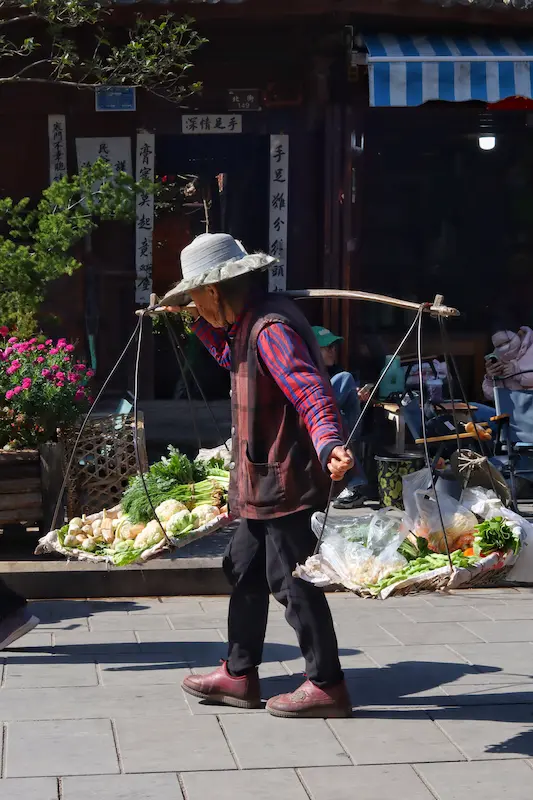
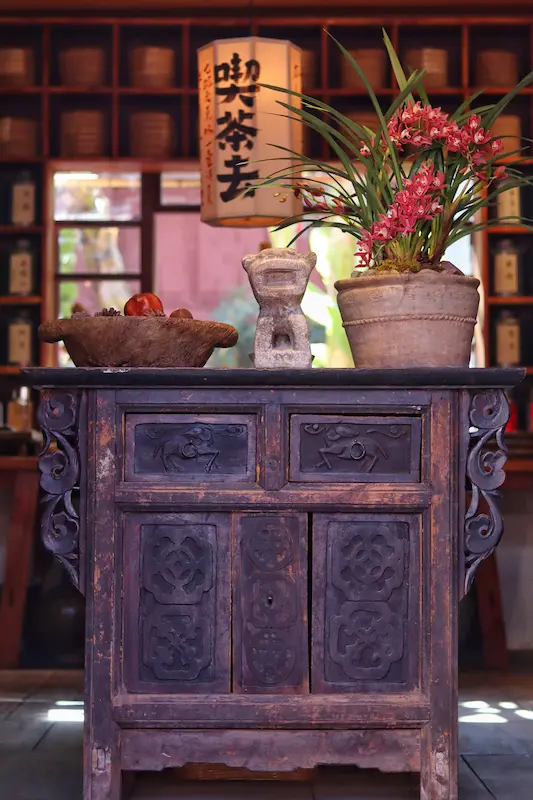
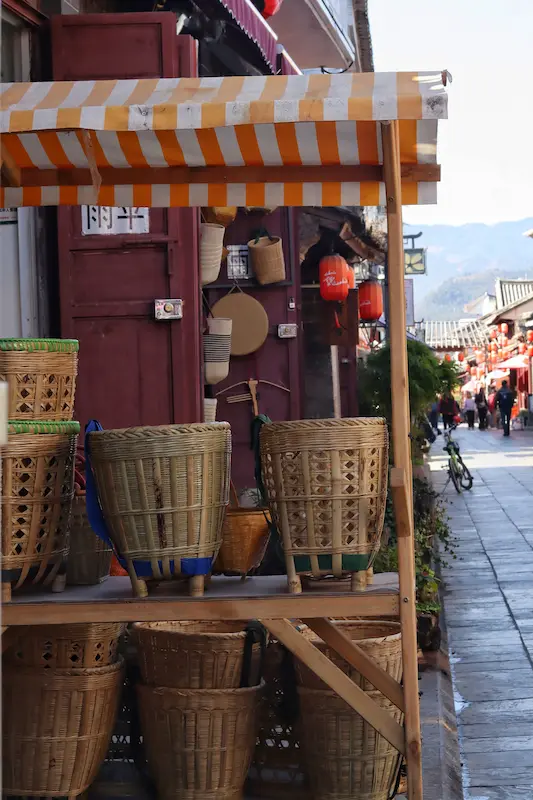
Walking through Weishan today feels like stepping back in time. The town still retains its grid layout from the Ming Dynasty, with quiet stone-paved streets, ancient city gates, and elegant wooden courtyard homes that reflect a blend of Han, Bai, and Hui architectural influences. Along the way, you’ll pass small family-run shops, traditional snack stalls, and local temples that continue to play a role in daily community life.
Unlike the much busier Dali Old Town, Weishan remains relatively untouched by mass tourism. Its slower pace and lived-in atmosphere offer a more genuine glimpse into everyday life in a historic Yunnan town.
In the evening, we’ll enjoy dinner at a local restaurant, sampling classic Yunnan dishes made with fresh, regional ingredients.
Day 4
Visit a historic Hui Muslim ancient tea horse road trading village and enjoy lunch at a local Hui Muslim restaurant
Tucked away in the Dali countryside, this peaceful Hui Muslim village was once a bustling stop along the Ancient Tea Horse Road. For centuries, traders, caravans, and merchants passed through the area, bringing goods, ideas, and cultures from across Yunnan, Tibet, and Southeast Asia.
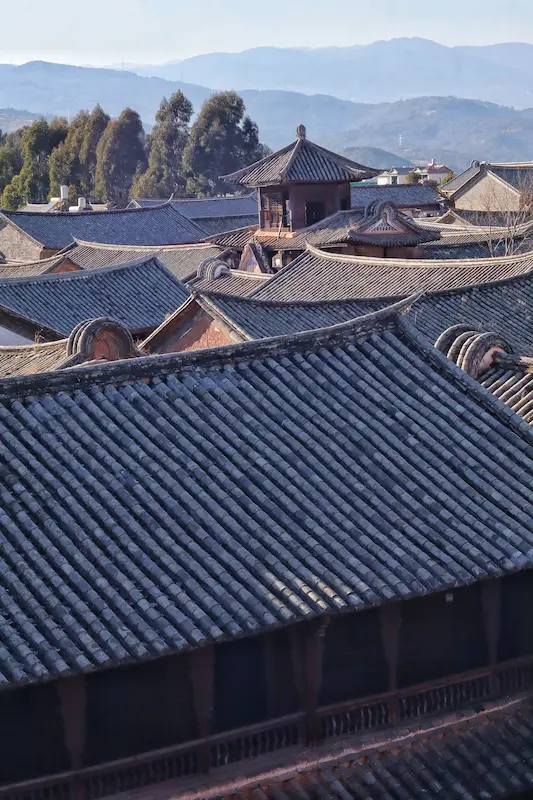
We’ll stroll through quiet cobbled lanes lined with elegant courtyard homes that blend traditional local architecture with subtle Islamic influences, reflecting the village’s history as a prosperous trading hub. Many of these homes once belonged to merchant families who built their wealth through trade along the caravan routes.
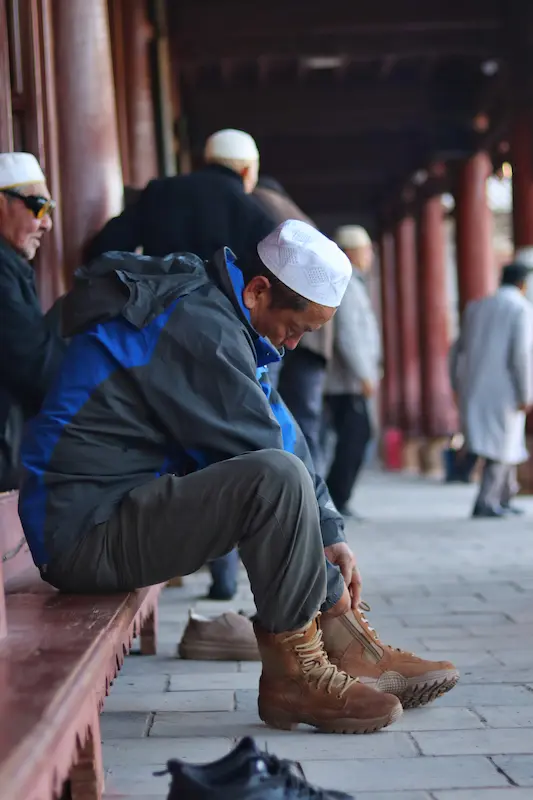
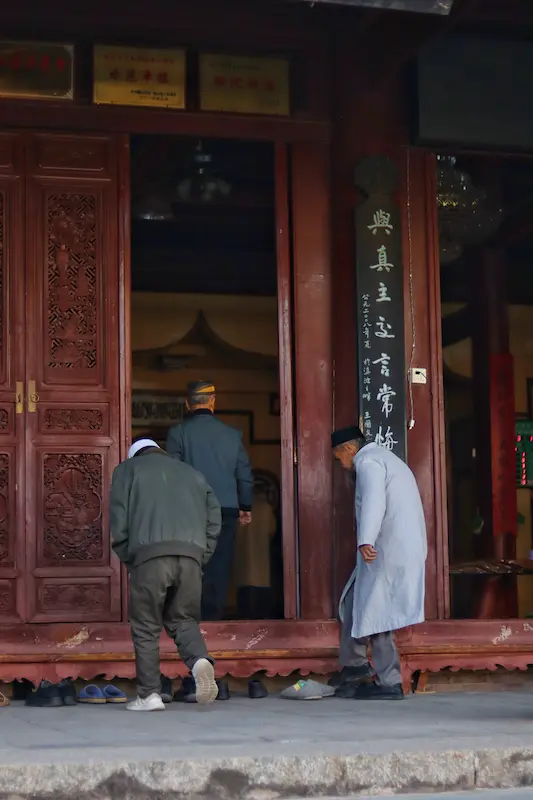
At the heart of the village stands a local mosque, which continues to play an important role in the daily life of the community. The Hui residents still observe their traditions and gather for five daily prayers, maintaining a rhythm of life that has been preserved here for generations. If the timing allows, we may respectfully observe part of a prayer gathering, quietly witnessing how the ceremony unfolds while learning about the role of faith in the community.
During our visit, we’ll also sit down to enjoy a home-cooked halal meal, prepared with local ingredients and traditional Hui flavors.
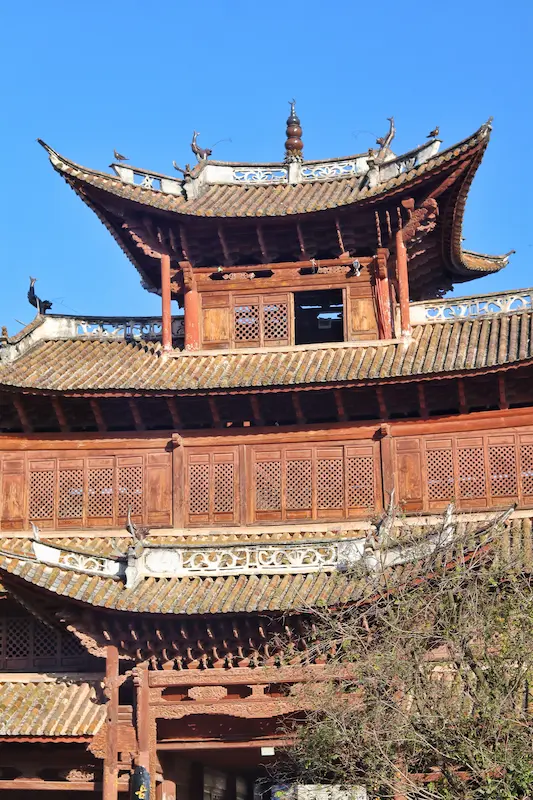
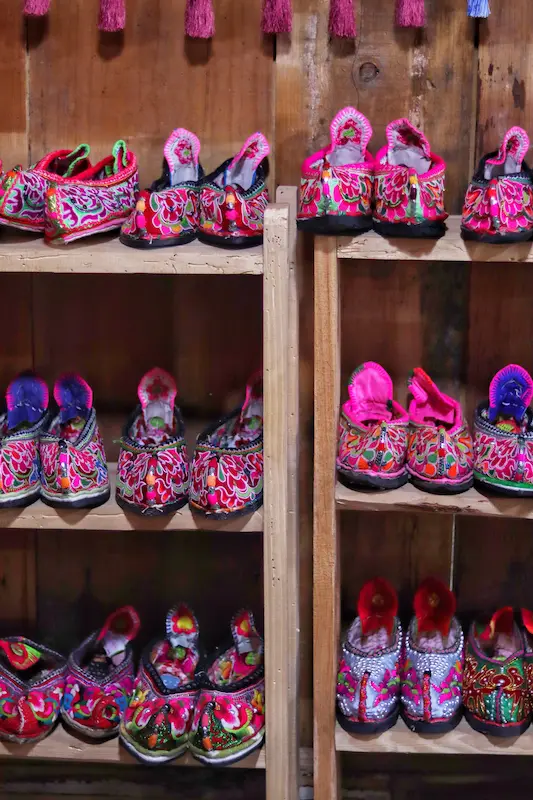
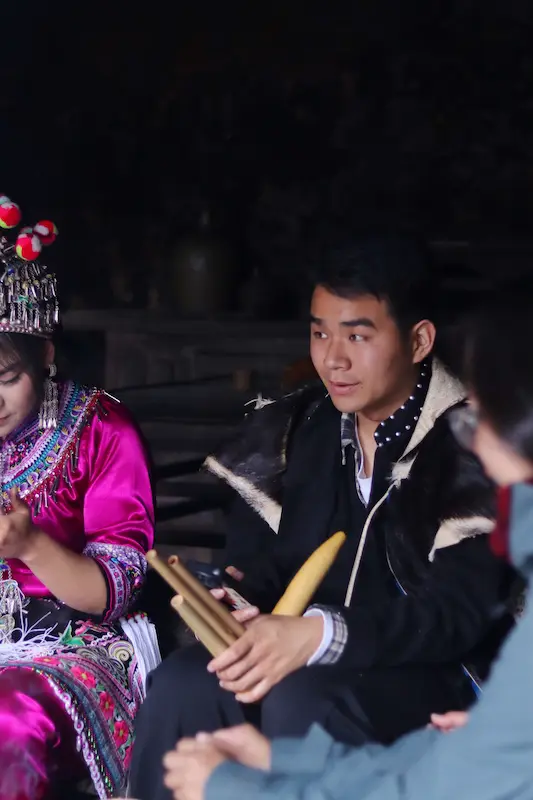
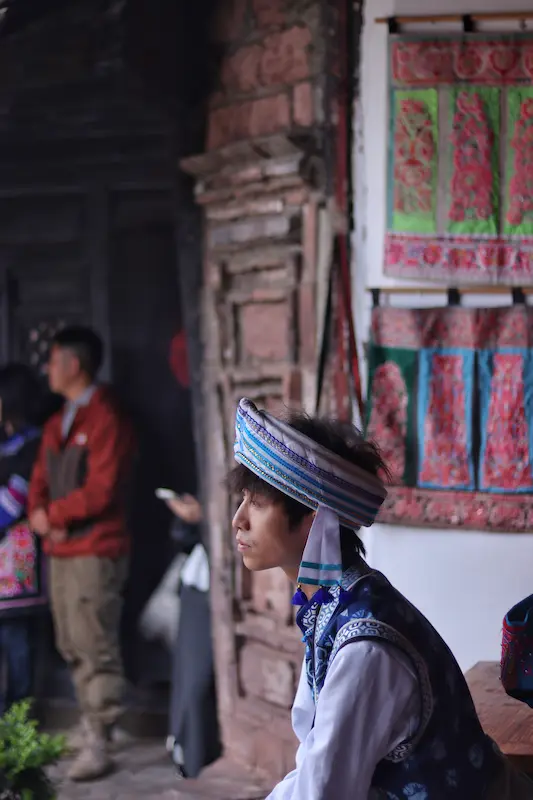
Dali Yi ethnic minority traditional macrame bracelet making workshop, Yi singing and dancing experience and home-cooked dinner with the Yi family
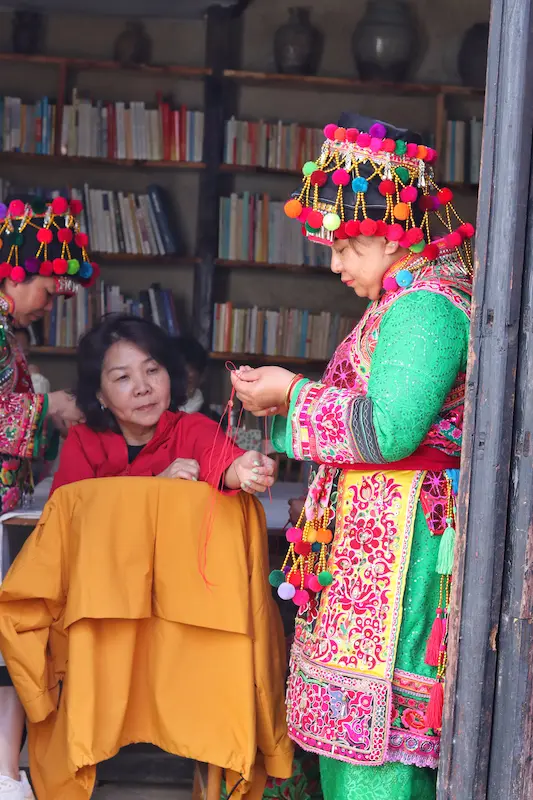
In the afternoon, we’ll drive to a nearby Yi ethnic minority village nestled in the hills outside Dali Old Town. The Yi people, the largest ethnic minority group in Yunnan, have lived across the province’s mountains for centuries — known for their rich traditions of embroidery, singing, and dance.
We’ll be welcomed by a local Yi family and learn a few traditional Yi songs and dances, guided by villagers who keep these vibrant customs alive. A Yi artisan will teach us to handcraft our own macramé bracelet, using patterns inspired by traditional Yi designs — a beautiful keepsake to carry a piece of Yunnan’s mountain culture home.
Dinner will be a home-cooked meal made from ingredients freshly picked from their garden — simple, nourishing, and full of local flavor.
Day 5
Traditional blended incense making workshop in Weishan
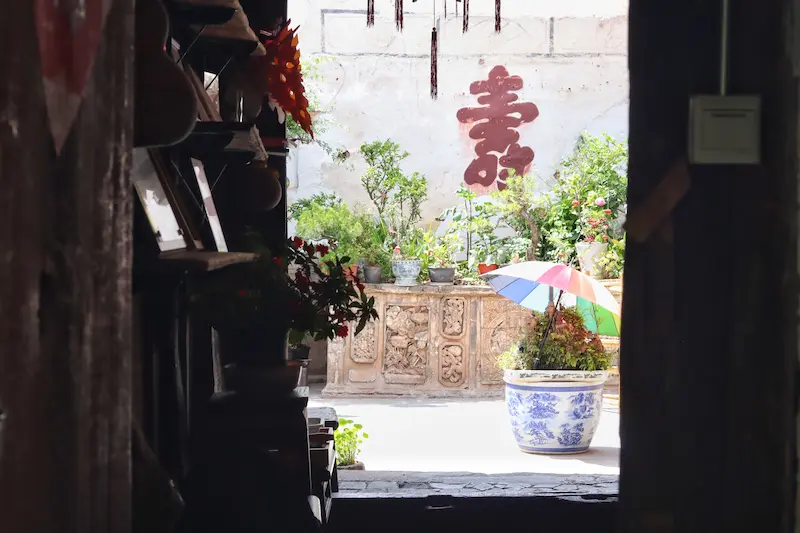
In Weishan, we’ll step into a beautifully preserved family home where blended incense has been made for generations. This family has lived in the same courtyard house for centuries, quietly continuing an ancient tradition that once played an important role in daily life, medicine, and spiritual practice across China.
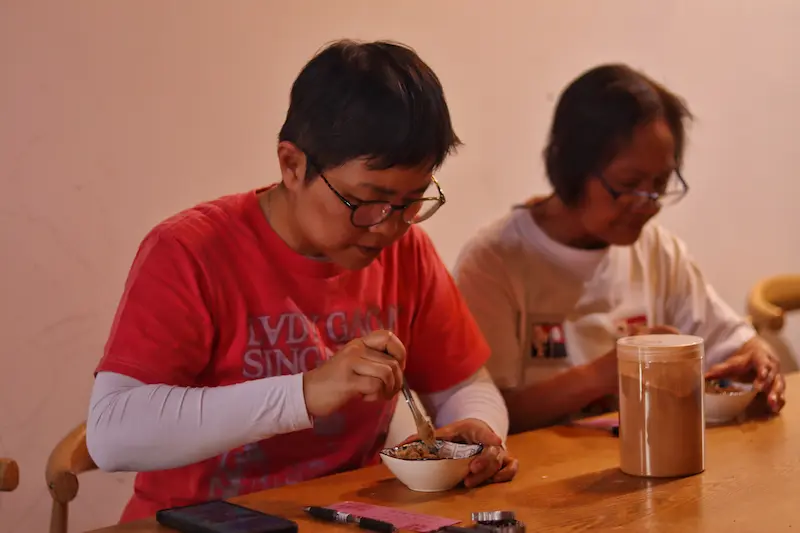
During this relaxed experience, you’ll learn about the history of Chinese incense culture — from its roots in traditional medicine and ritual to its place in the lives of scholars and households. The host will introduce the different natural ingredients used in blended incense, such as woods, resins, and herbs, explaining how each contributes not only fragrance but also balance and harmony according to traditional principles.
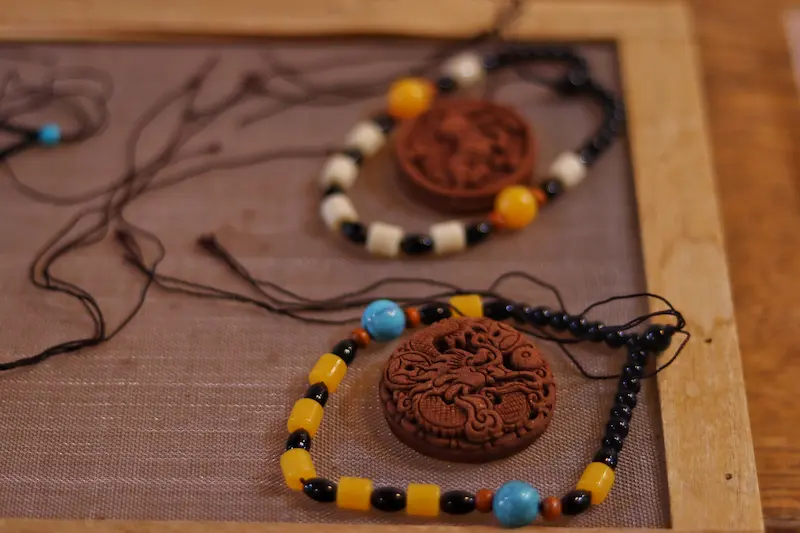
After the introduction, it’s time to get hands-on. Guided step by step, you’ll blend your own incense from scratch, shaping it into incense sticks or a wearable incense necklace, bracelet to take home.
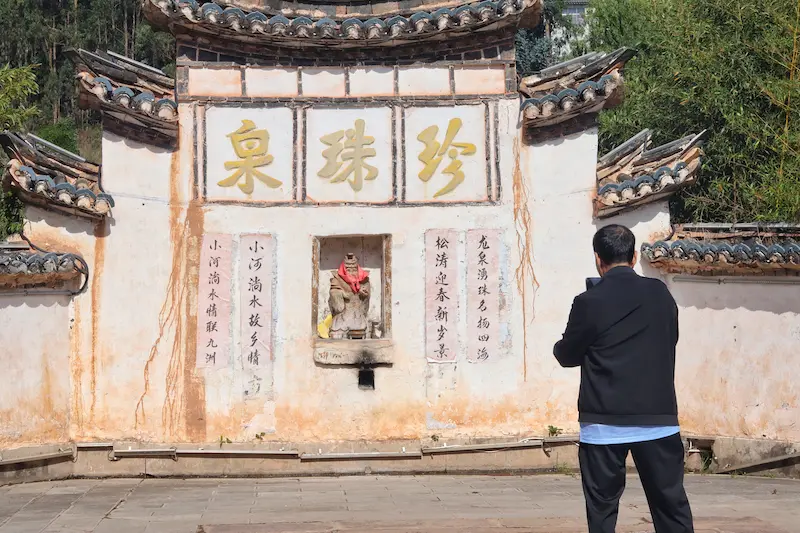
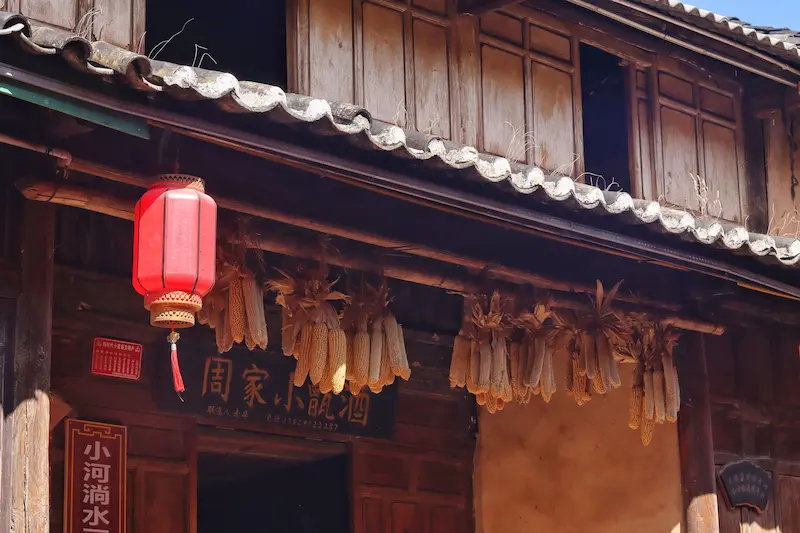
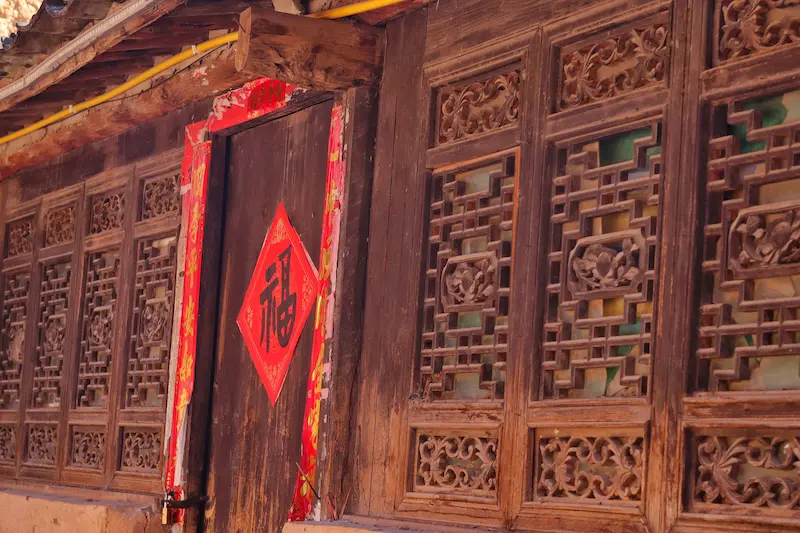
Visit a hidden ancient village-the birthplace of a Yunnan folk song
In the afternoon, we drive to a hidden, quiet town tucked away in the countryside, far from the usual travel routes. With a history stretching back more than a thousand years, this small town once played a modest but important role along ancient trade and post roads. Today, it remains largely unchanged, offering a rare glimpse into a slower rhythm of life.
Stone-paved lanes wind past old courtyard houses, small temples, and family-run shops where daily routines continue much as they have for generations. There are no crowds here — just locals going about their day, drawing water, preparing food, and greeting neighbors along the way.
The town is also known as the birthplace of one of Yunnan’s most beloved folk songs-Little River Flows. Inspired by the natural spring that has quietly sustained life here for centuries, the song carries the gentle, flowing spirit of the place. The clear spring water continues to shape both everyday life and local food traditions, flowing through the town as it has for generations.
Day 6
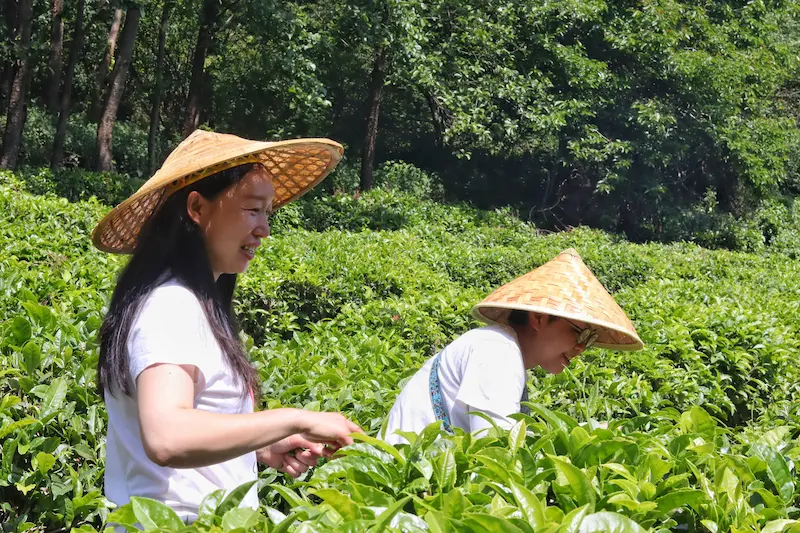
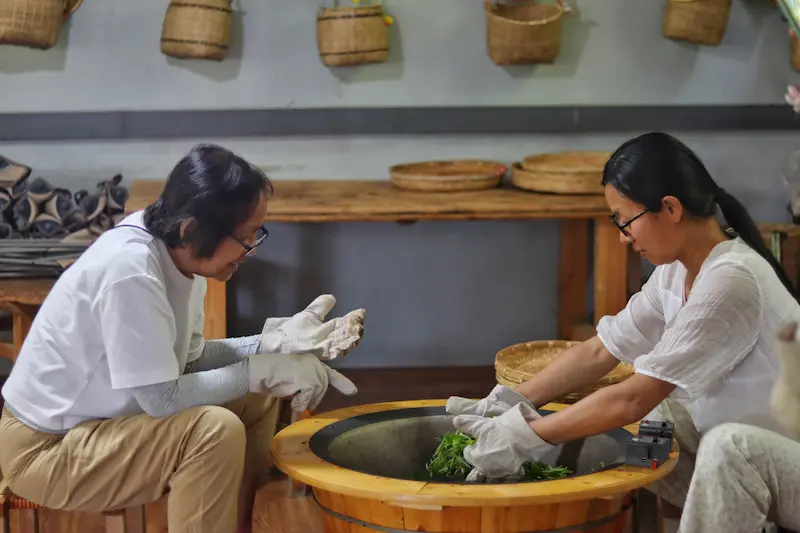
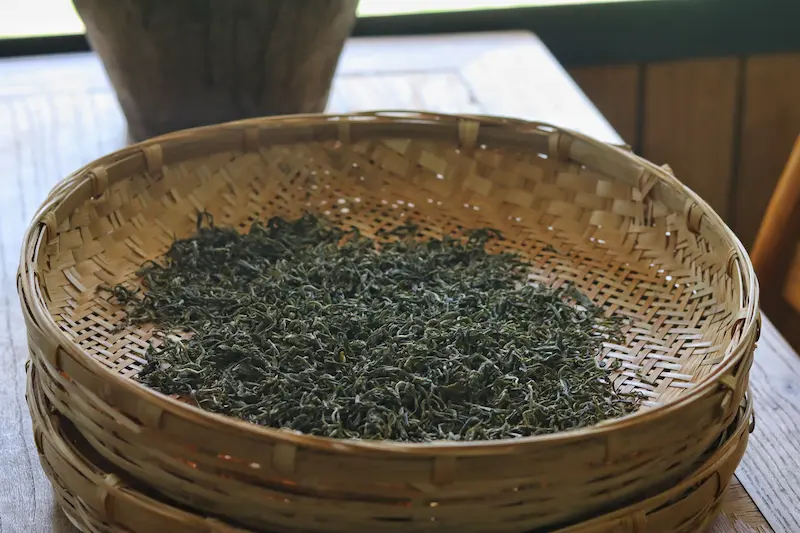
Visit a tea plantation in Dali, pick fresh leaves to make your own tea to take home and tea tasting experience
Yunnan is often called the birthplace of tea, with a history of tea cultivation stretching back more than 1,700 years. The province is home to some of the world’s oldest tea trees, including ancient specimens that are over a thousand years old and still producing leaves today. Thanks to its high elevation, warm and humid climate, misty mountains, and rich soils, Yunnan offers ideal conditions for growing tea with depth, complexity, and character.
For centuries, tea from Yunnan traveled far beyond the province itself. It was carried by horse caravans along ancient trade routes linking Yunnan with Tibet, Southeast Asia, and beyond, playing a key role in regional trade, cultural exchange, and daily life. Tea here has always been more than a drink — it is closely tied to local history, livelihoods, and traditions.
During the visit, we will head to a local tea plantation in the Dali area for a hands-on experience. You’ll learn about tea picking and processing, try your hand at making tea, and gain insight into how traditional methods are still practiced today. We’ll then sit down for a relaxed tea tasting, sampling carefully selected teas and taking time to appreciate the flavors, aromas, and stories behind each cup.
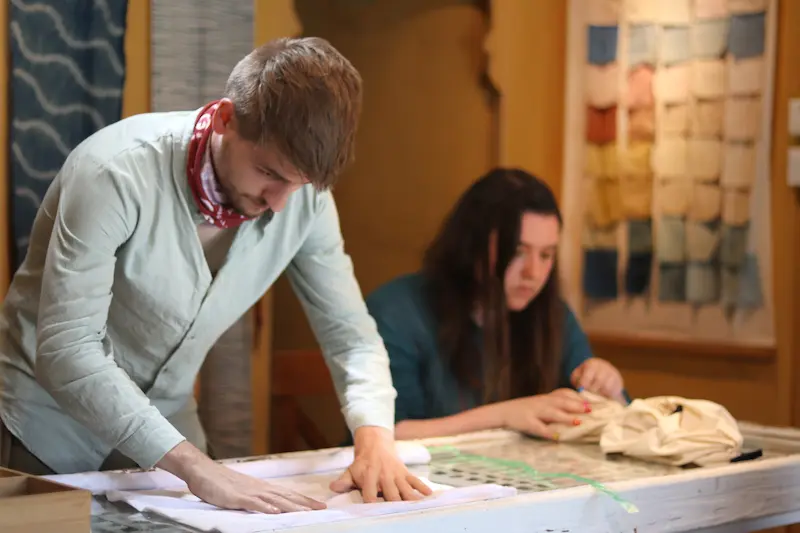
Hands-on tie-dye workshop in a historic Bai courtyard-Dali
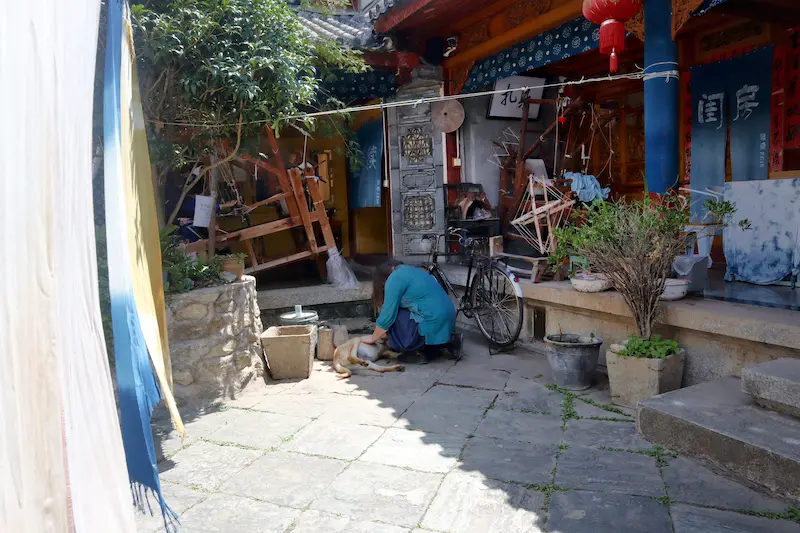
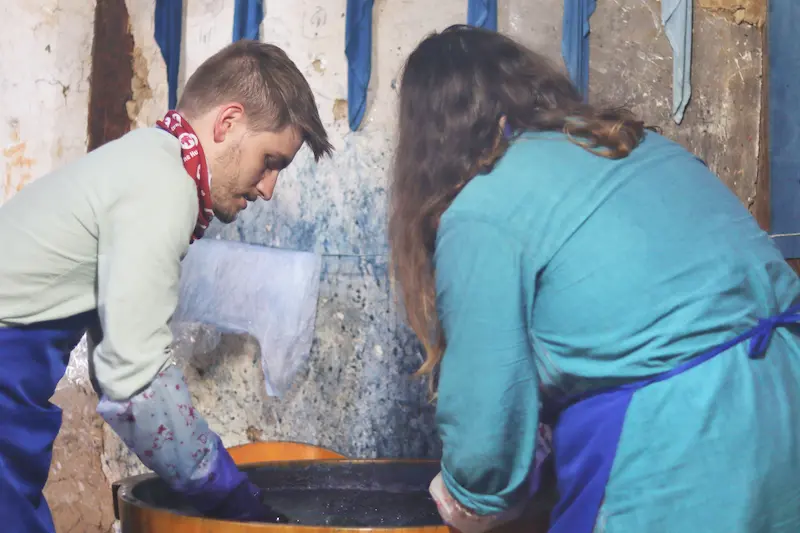
We’ll visit a century-old Bai courtyard house in Dali, where you’ll get a closer look at one of the Bai people’s most well-known crafts—tie-dye. The Bai have lived in this region for generations and are known for their strong connection to nature and traditional craftsmanship.
In this hands-on session, you’ll learn how tie-dye is done using natural plant-based dyes made from local herbs, flowers, and tree bark. The process is simple but thoughtful, and you’ll see how plain fabric is gradually transformed through folding, tying, and dyeing.
You’ll also hear a bit about the background and meaning behind the patterns while working on your own piece. By the end, you’ll have something handmade to take with you—whether it’s a scarf, tote bag, tablecloth, or another small item.
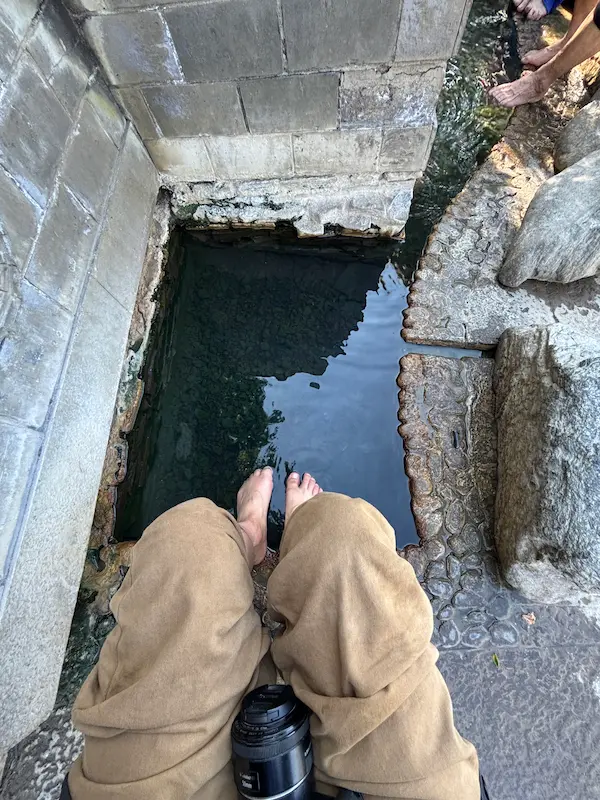
A relaxing evening in the hot springs
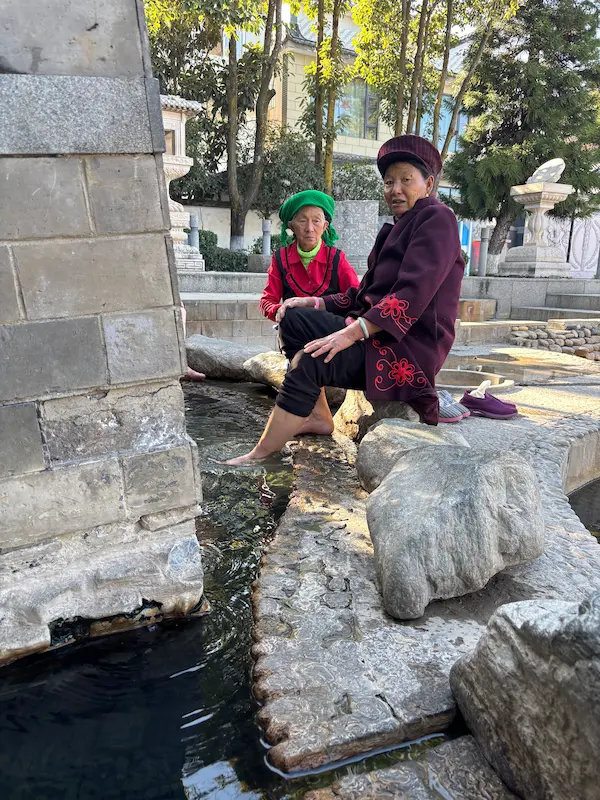
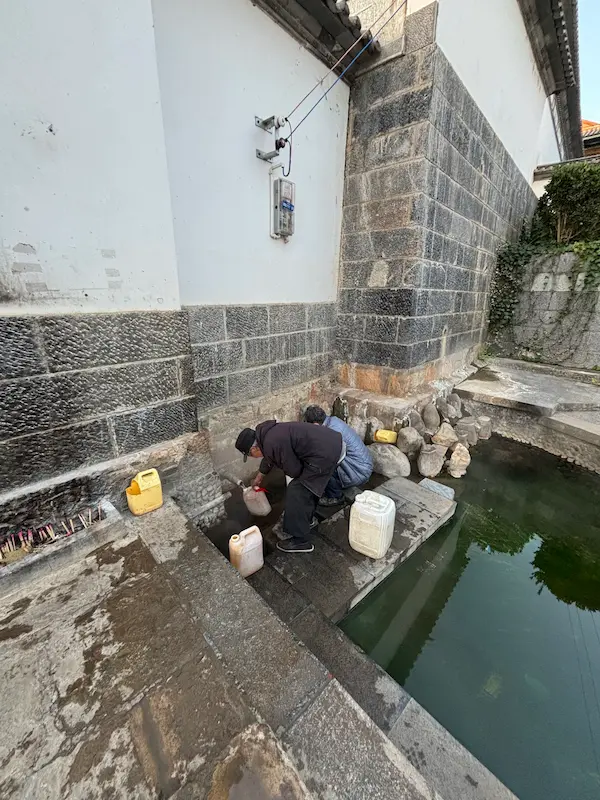
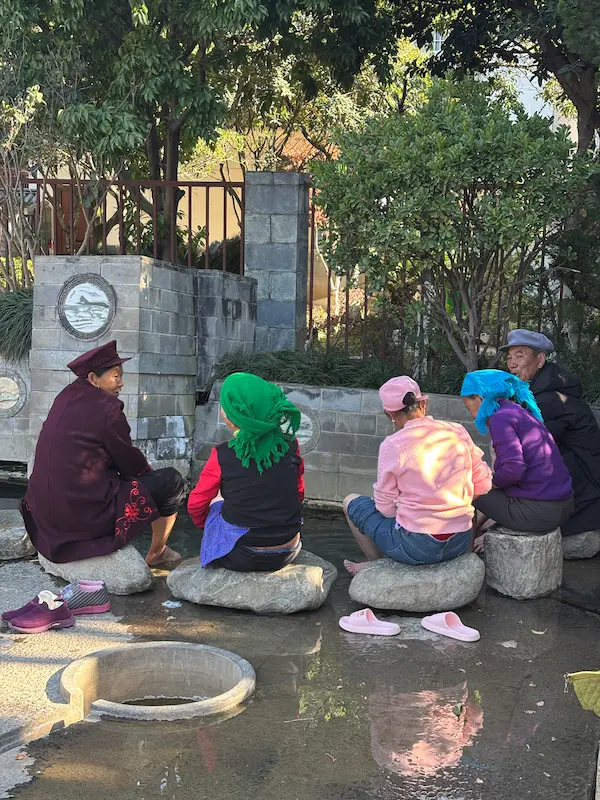
Tonight, we head to a quiet hot spring village for a relaxing stay at a boutique hot spring hotel, surrounded by the peaceful countryside of Eryuan.
Located between Dali and Lijiang, Eryuan County is known for its abundant geothermal resources and pristine natural environment. Thanks to its unique geology, the region is rich in natural hot springs, many of which have been used by local communities for generations.
Our destination is a small and unassuming village where daily life still revolves around these mineral-rich waters. Unlike commercial spa resorts, this village retains a more local feel—residents come here to bathe, collect spring water for household use, or simply relax at the end of the day.
Day 7
Visit an organic farm in Er’yuan and enjoy a farm-to-table lunch
In the morning we continue into the countryside to visit a nearby organic apple farm with nearly twenty years of history. Originally established by the previous generation, the farm is now run by the son, who carries forward a deep commitment to sustainable, chemical-free farming practices.
Surrounded by fresh mountain air and rows of fruit trees, you’ll enjoy a guided walk through the orchard, learning about seasonal cycles, soil care, and the philosophy behind organic cultivation. Depending on the time of year, you’ll have the chance to hand-pick apples and other seasonal produce, connecting directly with the land and its rhythms.
The experience culminates in a relaxed farm-to-table lunch, prepared using ingredients harvested just moments before. Expect a nourishing and thoughtfully prepared meal featuring organic germinated rice, freshly picked fruits and vegetables, beans, and house-made fermented juices—simple, wholesome dishes that highlight the natural flavors of the farm.
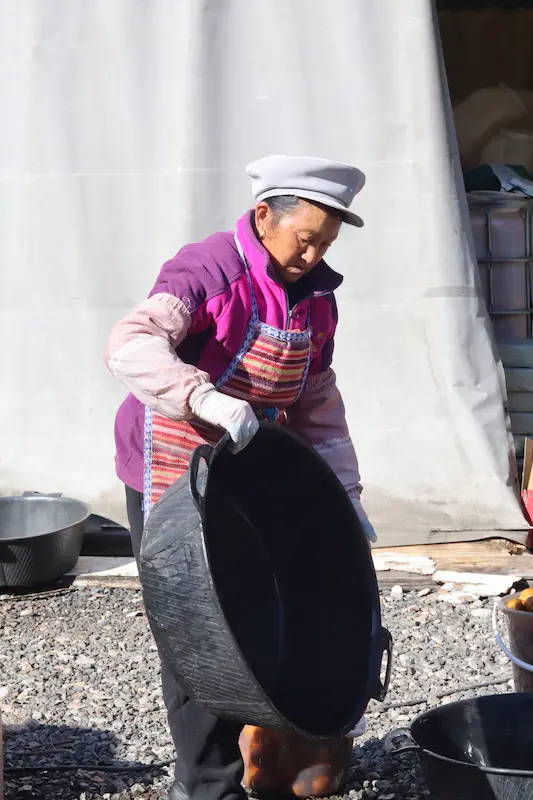
Visit an ancient pear village and pear paste/pear Jiaosu tasting(hands-on workshop if the pear is in season)
Tucked along the quiet shores of Cibi Lake, this ancient Bai pear village is one of the most tranquil corners of Eryuan. For centuries, the village was largely isolated from the outside world — the only way in or out was by boat, gliding across the lake. Even after modern roads were built, the village has remained calm and lightly visited, with daily life still moving at an unhurried, rural pace.
The village is best known for its ancient pear trees, many of which have been standing for hundreds of years. Planted and cared for by generations of Bai families. Pear growing here is closely tied to Bai traditions, seasonal rhythms, and local food culture.
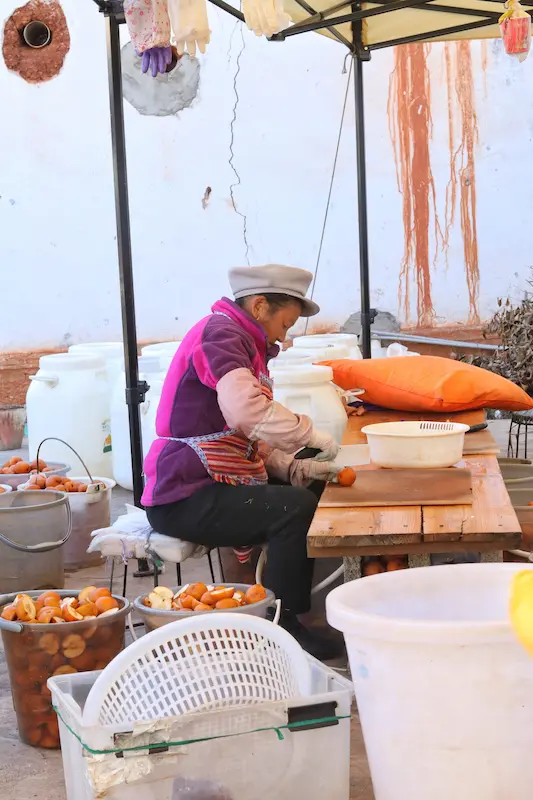
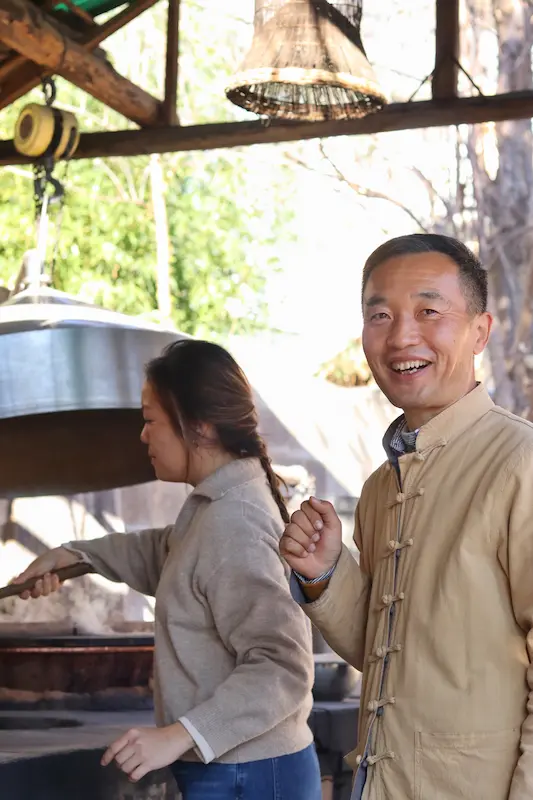
During our visit, we’ll wander through the village lanes beneath the old pear trees, observing traditional Bai courtyard homes and lakeside life that feels largely untouched by tourism. We’ll then visit a local artisan who continues age-old pear-processing techniques passed down through generations.
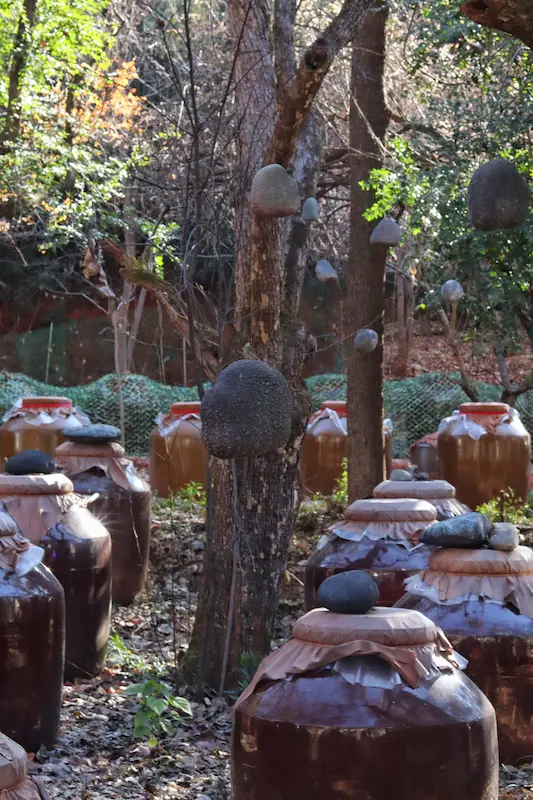
Here, you’ll take part in a pear paste and pear Jiaosu(fermented pear juice) tasting workshop, learning how fresh pears are slowly cooked and reduced using traditional methods. You’ll also be introduced to the process of making naturally fermented pear juice— a time-honored way of preserving fruit while enhancing its nutritional value, guided step by step by the artisan.
Day 8
A local ethnic minority market day near Dali
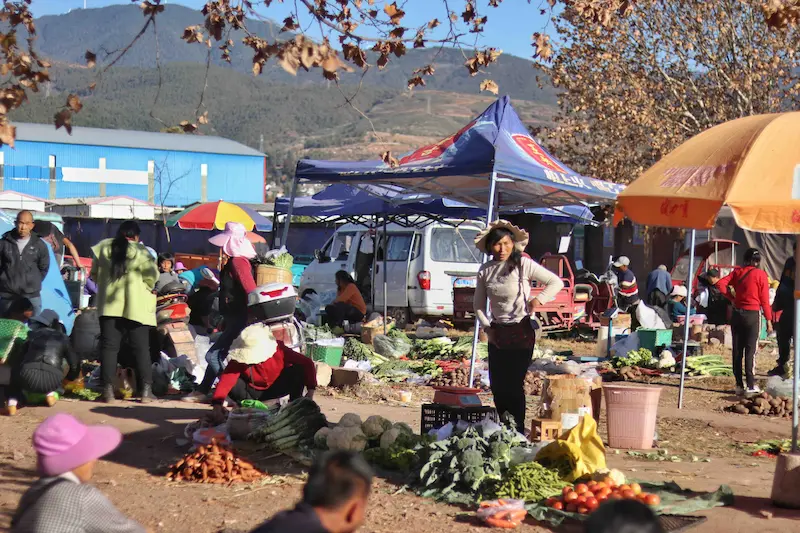
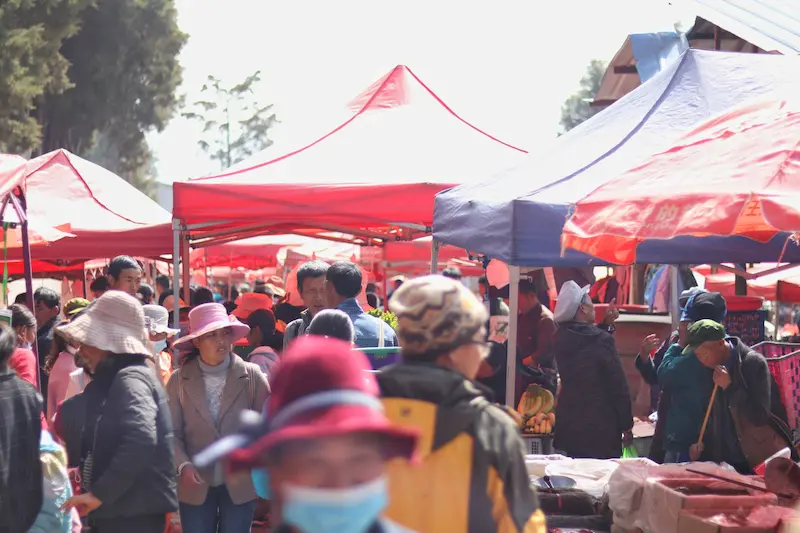
We begin the day with a visit to a local ethnic-style market. Ethnic markets in Yunnan offer a vivid window into the region’s remarkable cultural diversity. Held regularly in small towns and townships, these gatherings bring together different minority communities who travel from nearby villages to trade, socialize, and celebrate daily life.
On market days, many minority women dress in their finest traditional attire, filling the streets with color, texture, and movement. Local farmers and artisans sell fresh produce, wild ingredients, handmade crafts, and everyday necessities, creating a lively atmosphere where culture is lived rather than performed.
As we wander through the stalls, you’ll have the chance to sample freshly prepared Yunnan snacks and home-style dishes, cooked on the spot by villagers who move from market to market as part of their livelihood. It’s an immersive and authentic experience that brings together many of Yunnan’s cultural identities in one place.

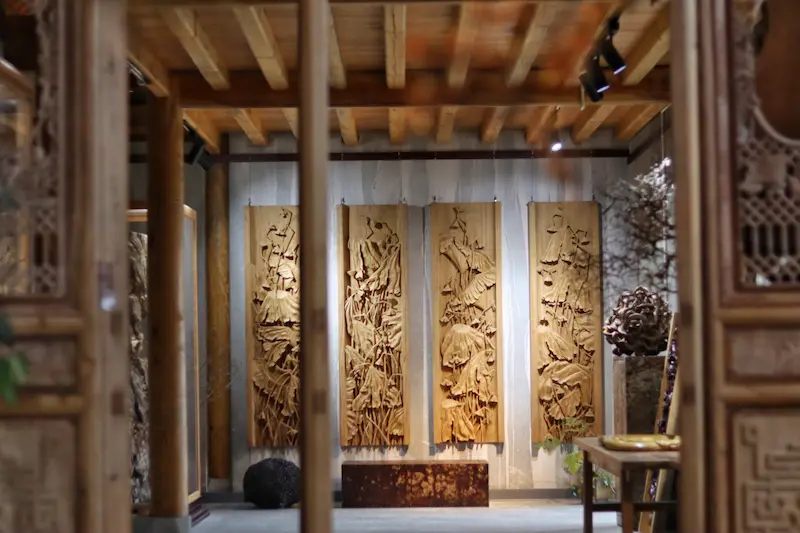
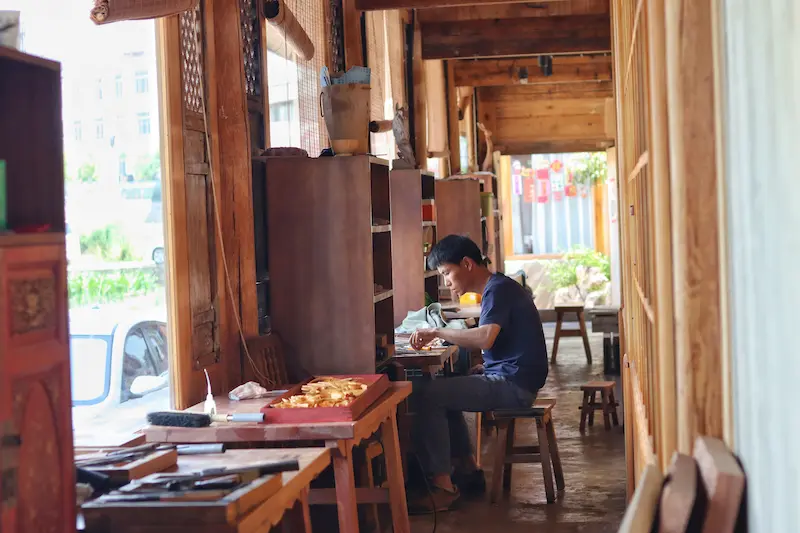
Hands-on woodcarving experience in a traditional wood carving town in Dali
In the afternoon, we drive to Jianchuan, a historic town in northwest Dali that has long remained quietly authentic and deeply rooted in daily life. Unlike more commercialized old towns, Jianchuan feels genuinely lived in—locals go about their routines among centuries-old courtyard homes, stone lanes, and wooden façades that reflect the town’s rich past. A gentle walk through the old town offers a glimpse into its layered history as a cultural crossroads and an important stop along ancient trade routes, where tradition continues naturally rather than as a performance.
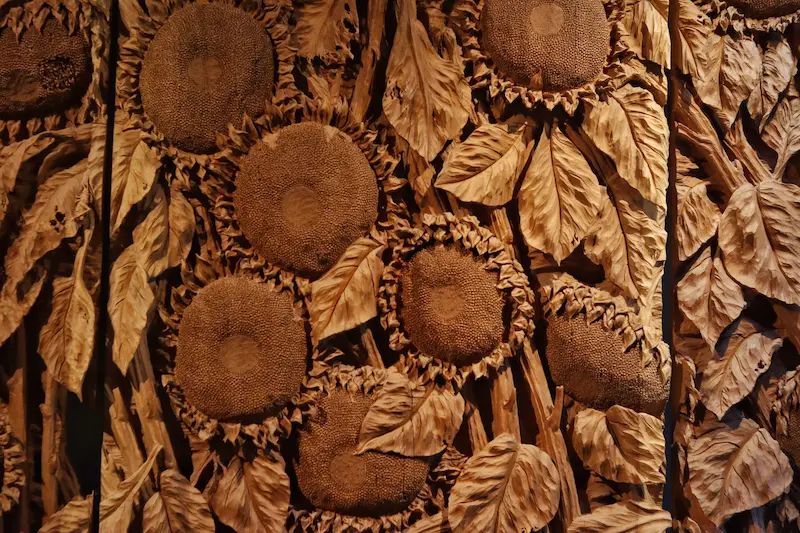
Jianchuan is also known as the woodcarving capital of Yunnan. For centuries, its skilled artisans have produced exquisite woodwork for temples, ancestral halls, traditional residences, and heritage buildings across the province. The craft is not only an art form here, but a way of life passed down through generations
At a local workshop, you’ll learn about Jianchuan’s long carpentry and woodcarving traditions—from the hand tools used to the carving techniques and the locally sourced woods favored for construction and decoration. Under the guidance of an experienced craftsman, you’ll try your hand at carving your own wooden spoon or plate to take home as a meaningful keepsake.
Day 9
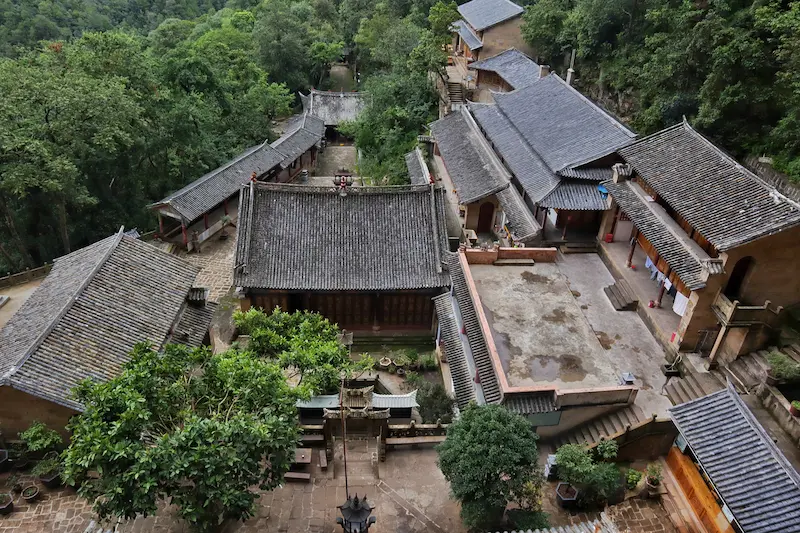
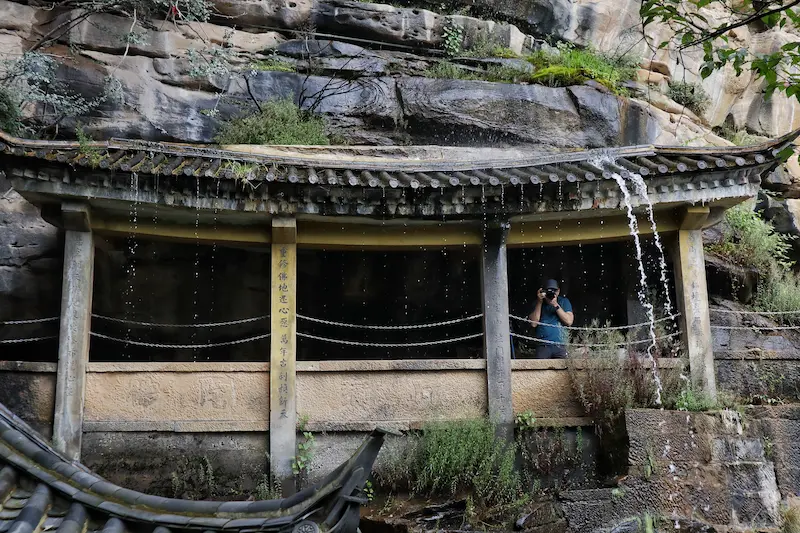
Hike through the forests near Shaxi and visit hidden ancient temples and stone grottoes
Nestled in a quiet valley between Dali and Lijiang, Shaxi is one of the best-preserved towns along the ancient Tea Horse Road. Centuries ago, caravans carrying tea, salt, and horses passed through here, stopping to rest and trade. Today, Shaxi still holds onto that slower rhythm, with cobblestone streets, traditional wooden courtyard homes, and a peaceful atmosphere largely untouched by mass tourism.
The valley is also rich in history. Remnants of the Nanzhao Kingdom can still be found in the form of ancient temples and stone grottoes scattered across the landscape, offering a glimpse into the region’s spiritual past.
We’ll begin the day with a trek through the forests surrounding Shaxi, visiting these quiet historical sites along the way. It’s a chance to slow down, connect with the landscape, and experience a deeper side of Yunnan’s history beyond the usual highlights.
Bai cultural experience in an ancient Bai village near Shaxi
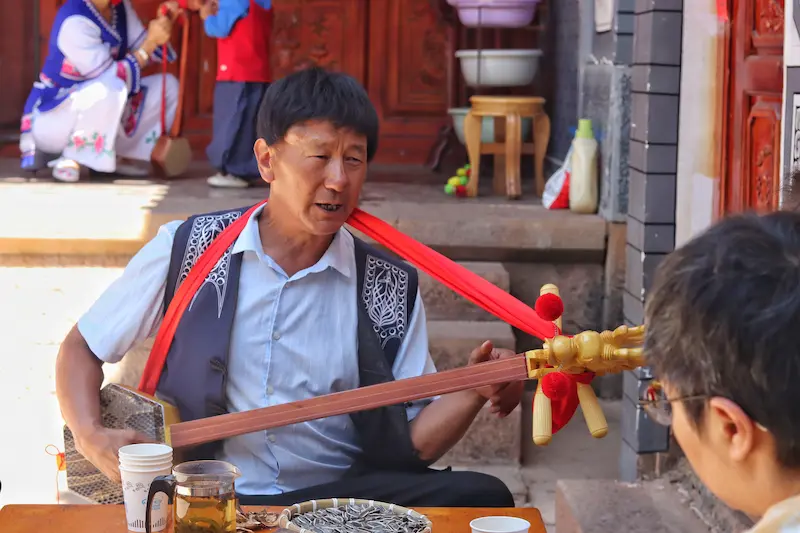
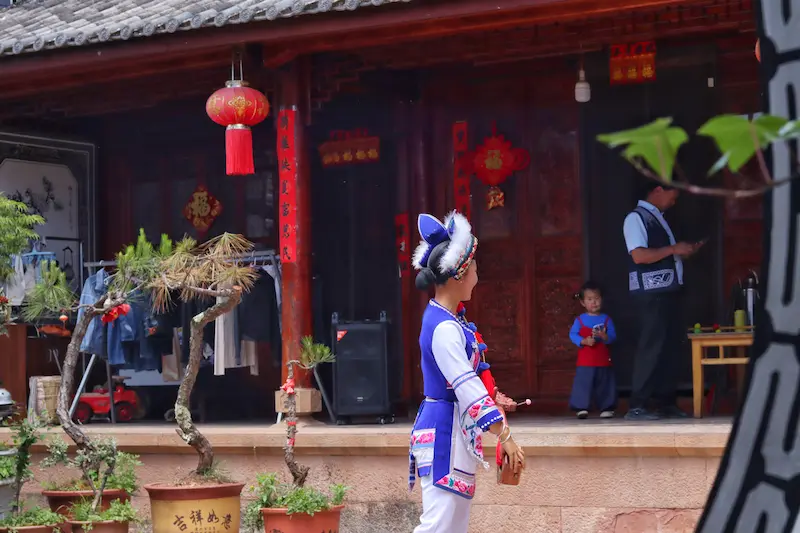
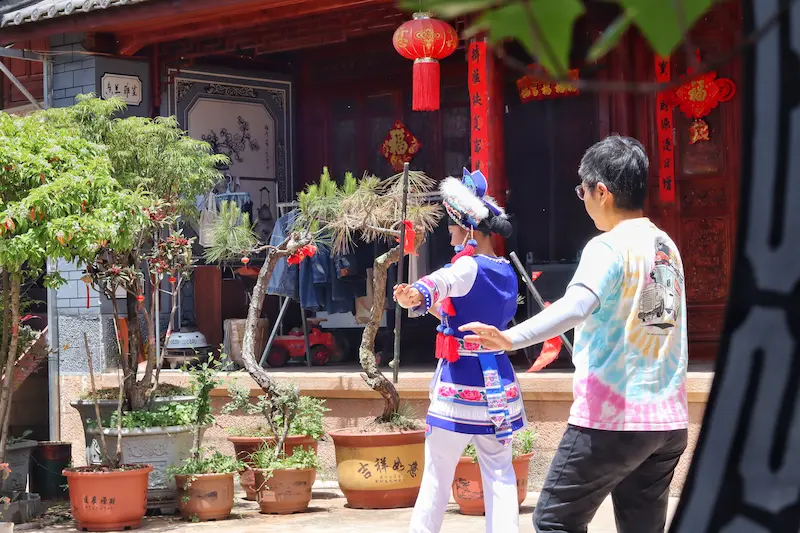
In the afternoon, we’ll venture into a nearby traditional Bai village, where local culture is still vibrantly alive. Here, you’ll be welcomed by village musicians who will introduce you to the joyful world of Bai music and dance.
Rather than just watching a performance, this is a hands-on cultural experience. You’ll learn about the Bai people’s iconic dragon-headed three-stringed instrument, a beautifully carved instrument traditionally used during festivals and celebrations. Local performers will guide you through the rhythms of traditional Bai songs and invite you to join in the dancing.
We’ll also discover the lively Bai rattle stick dance – a rhythmic folk dance where performers move in coordinated patterns while striking decorated bamboo sticks to create percussive beats.
Day 10
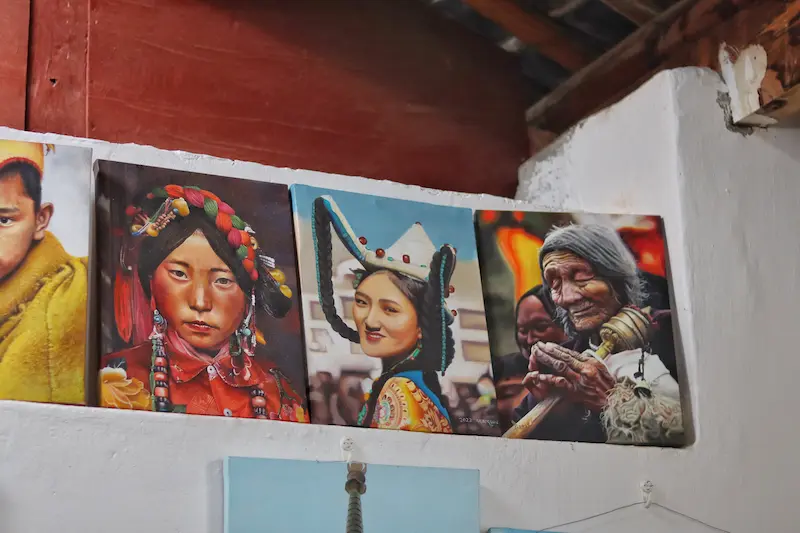
Tibetan art & Buddhism experience in Lijiang
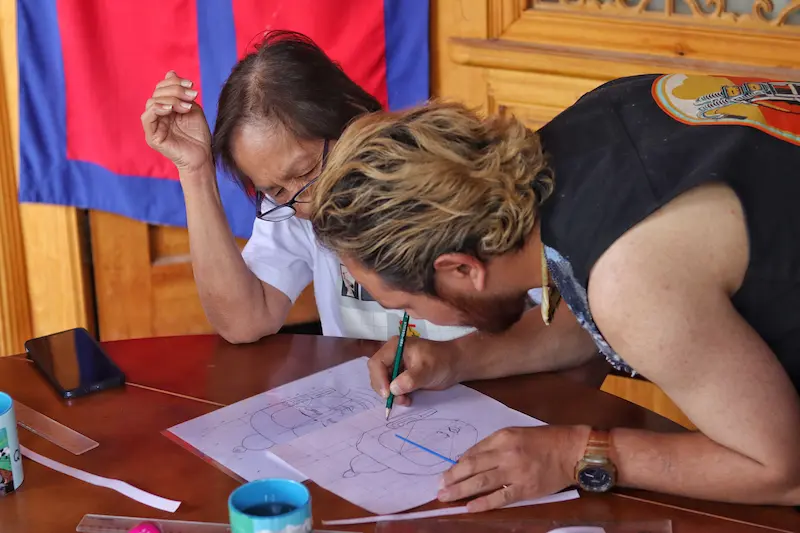
Today we visit the home of local Tibetan artists for an in-depth cultural experience centered on Tibetan Buddhism and its rich artistic traditions.
Tibetan Buddhism is a branch of Vajrayana Buddhism, known for its symbolic imagery, meditation practices, and deep connection between art and spirituality. In this tradition, art is not only decorative—it is a form of practice, a way to express teachings, and a tool for contemplation.
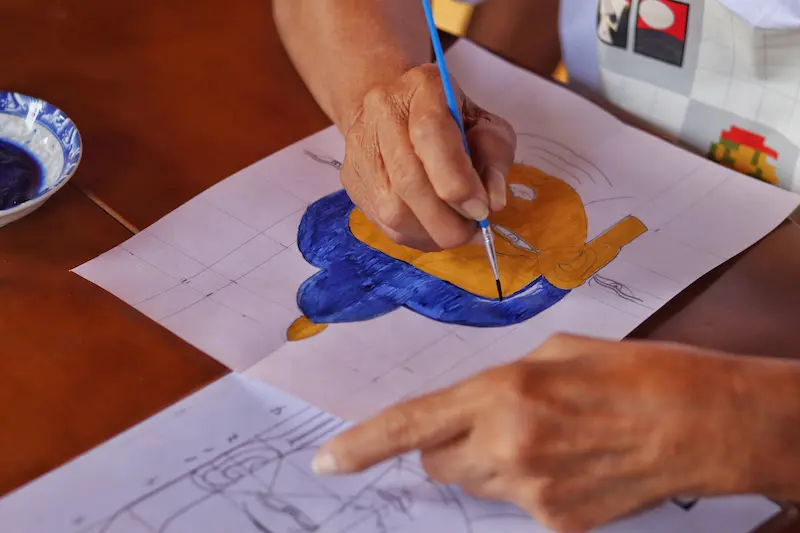
One of the most iconic forms is the Thangka, a detailed painting on cloth that often depicts Buddhas, bodhisattvas, or mandalas. Every element—from color to proportion—follows precise guidelines and carries symbolic meaning.
Guided by the artists, you’ll learn about the stories and principles behind these images, gaining insight into the philosophy and visual language of Tibetan Buddhism. You’ll then take part in a hands-on workshop, where you’ll create your own drawing of Tara or the Buddha in the traditional thangka style.
Lijiang lentil jelly & noodle making workshop with a local Naxi family and dinner with the family
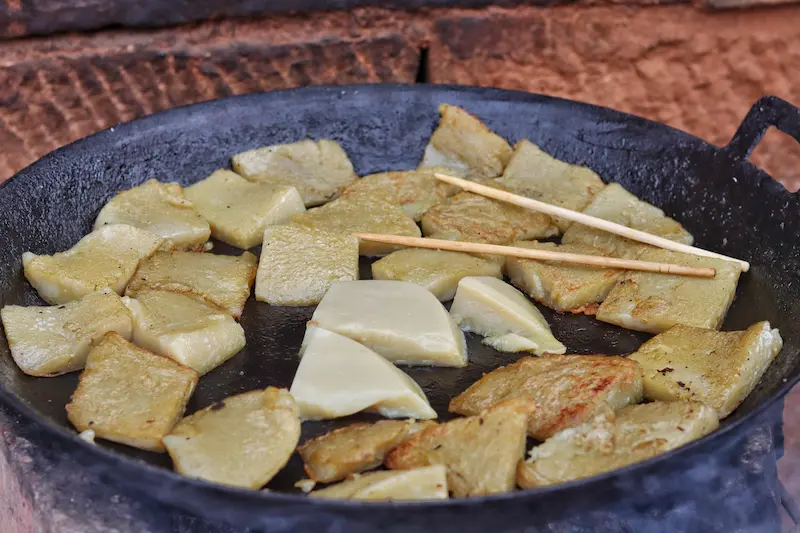
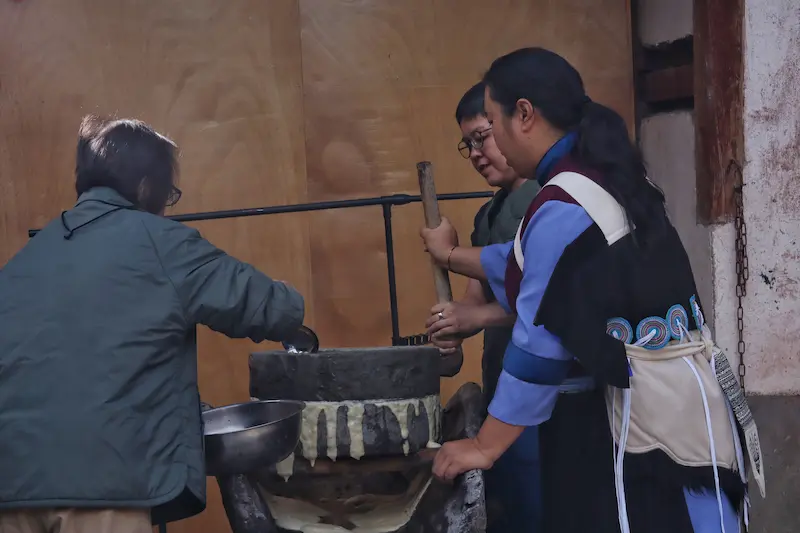
Then we’ll visit the home of a local Naxi family to learn how to make one of Lijiang’s most beloved traditional foods — Lijiang lentil(chicken pea) jelly and noodles. Lijiang lentils have long been a staple ingredient in the region, valued for their versatility and comforting flavor, and they appear in many everyday dishes enjoyed by local families.
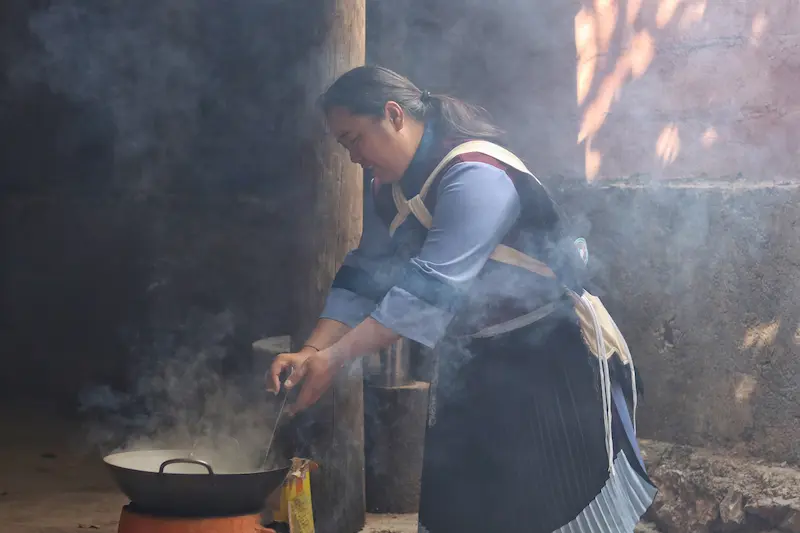
During this hands-on workshop, we’ll start from the very beginning of the process. Together with our hosts, we’ll grind the lentils and learn how the beans are transformed into a variety of different foods. From this simple ingredient comes an impressive range of by-products, including lentil milk, lentil puree, cold lentil jelly, and delicate lentil skin – a thinner, chewier version of the jelly.
Locals enjoy lentil jelly in many ways. It can be served cold with seasonings, or lightly pan-fried for a crisp exterior and soft interior.
To finish the experience, we’ll sit down together for a Lijiang lentil feast for dinner, featuring a variety of lentil-based dishes and other local specialties — many of them made by our own hands.
Day 11
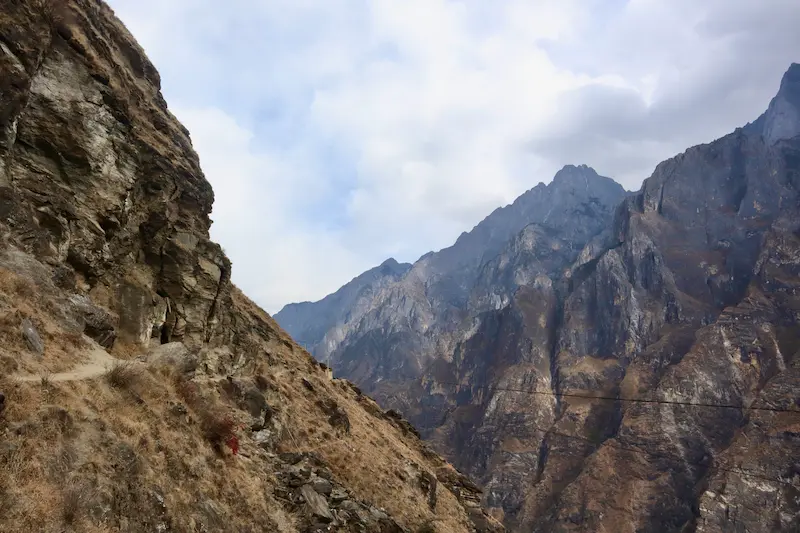
Hike one of the most famous trails in Yunnan-Tiger Leaping Gorge
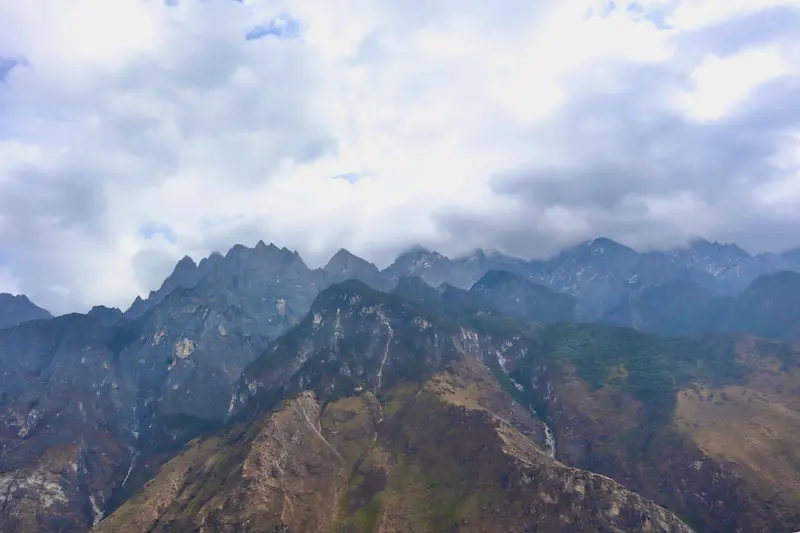
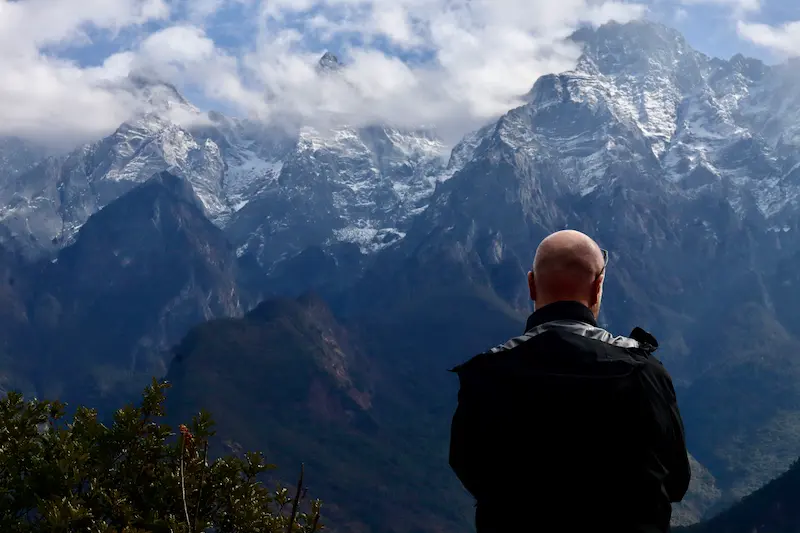
Tiger Leaping Gorge is one of the most renowned hiking destinations in the world. Stretching roughly 20 kilometers, the gorge is framed by Jade Dragon Snow Mountain and Haba Snow Mountain, creating a dramatic and iconic landscape that attracts hikers from around the globe.
For this half-day experience, we will explore one of the most popular sections of the gorge. The trail offers a moderate level of difficulty with well-maintained paths, making it accessible while still rewarding. Along the way, you’ll enjoy spectacular views of the Yangtze River(Golden Sand River) as it surges through the narrow canyon below, surrounded by towering cliffs, terraced fields, and breathtaking mountain scenery.
Several scenic viewpoints along the route allow you to fully appreciate the scale and power of the gorge, making this an ideal introduction to one of Yunnan’s most remarkable natural landscapes.
White Water Terrace & Dongba culture experience
In the afternoon, we continue our journey to the Baishuitai (White Water Terrace), often regarded as the birthplace of Naxi Dongba culture. Formed over thousands of years by mineral-rich spring water, these natural limestone terraces cascade down the mountainside in layers of white, creating one of the most unique landscapes in Yunnan.
Beyond its striking beauty, this area holds deep cultural and spiritual significance. It is closely connected to the traditions of the Naxi people and the origins of Dongba culture, an ancient belief system that blends nature worship, ritual practices, and oral storytelling.
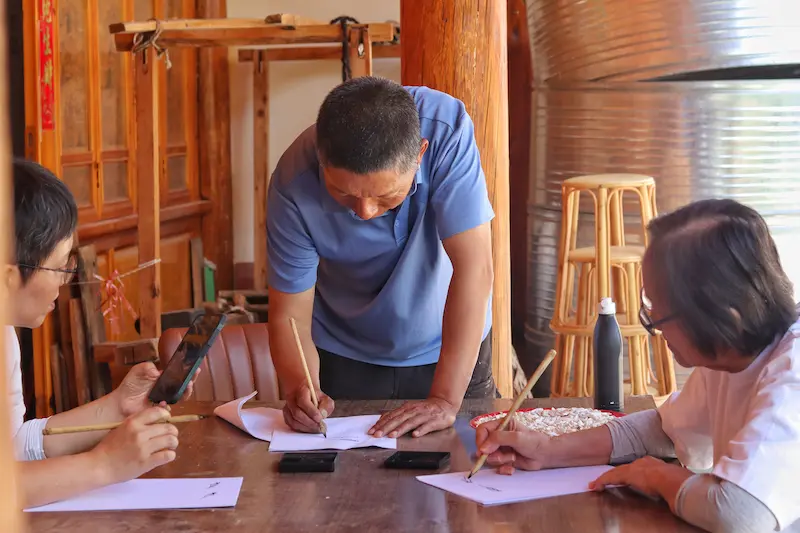
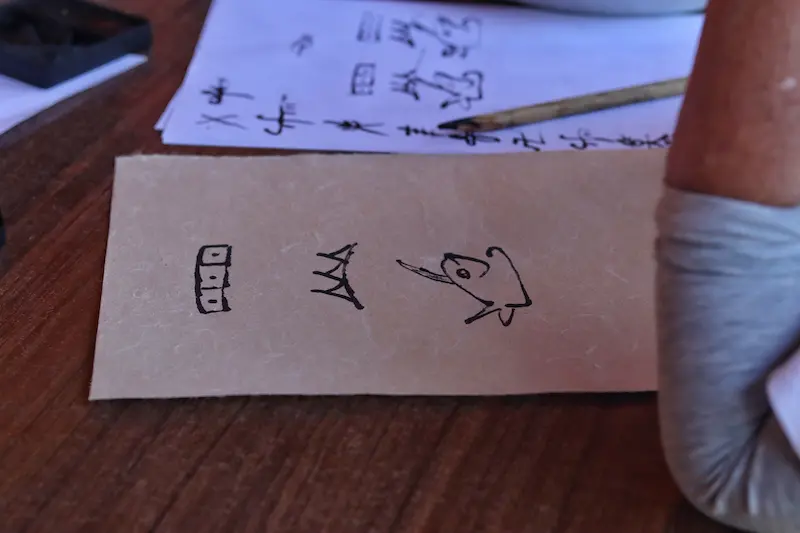
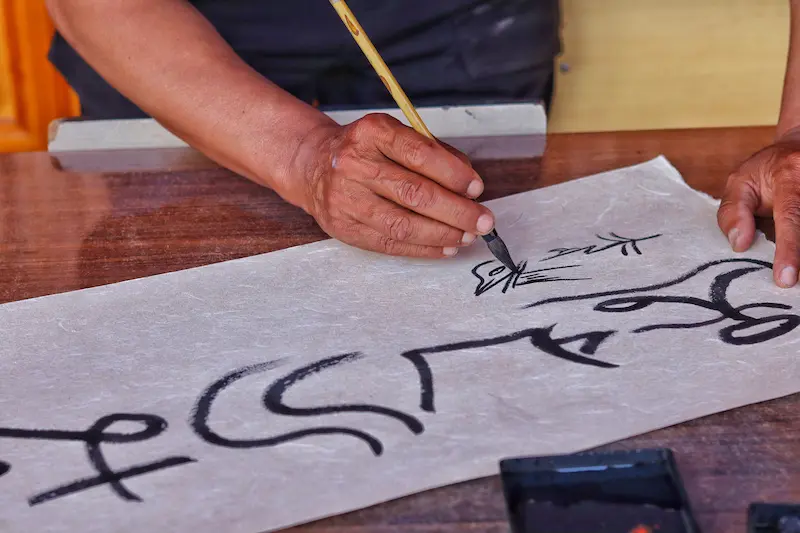
We will visit a nearby Naxi village to meet a local Dongba—one of the few remaining keepers of this tradition. Through stories and demonstrations, you’ll gain insight into different aspects of Dongba culture, from rituals and symbols to its connection with the natural world.
You’ll also have the opportunity to take part in a hands-on experience, such as making traditional Dongba paper or practicing Dongba script—one of the last surviving pictographic writing systems in the world.
Day 12
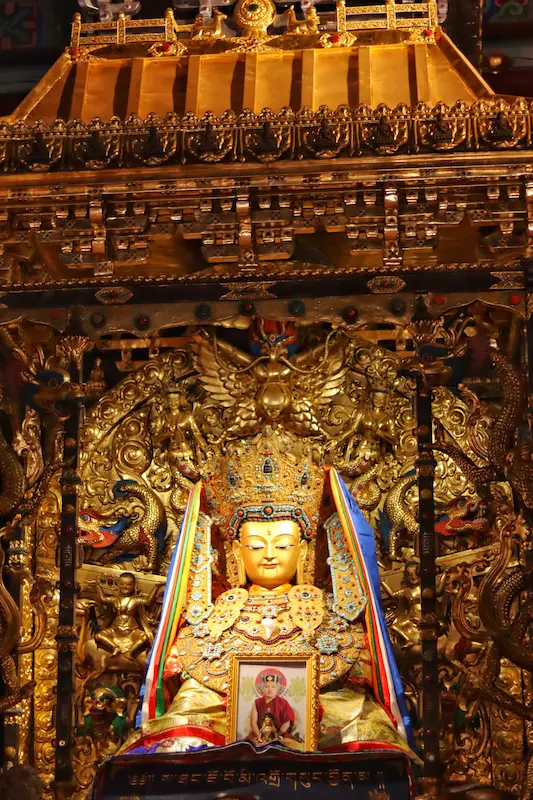
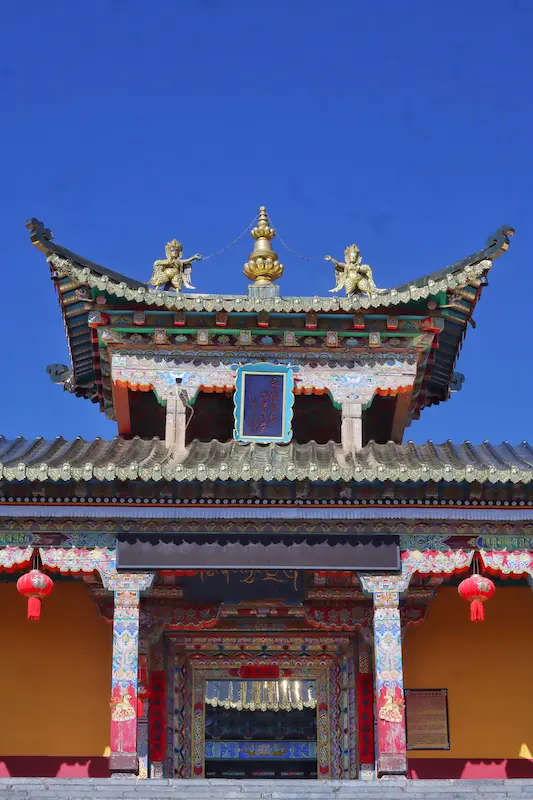
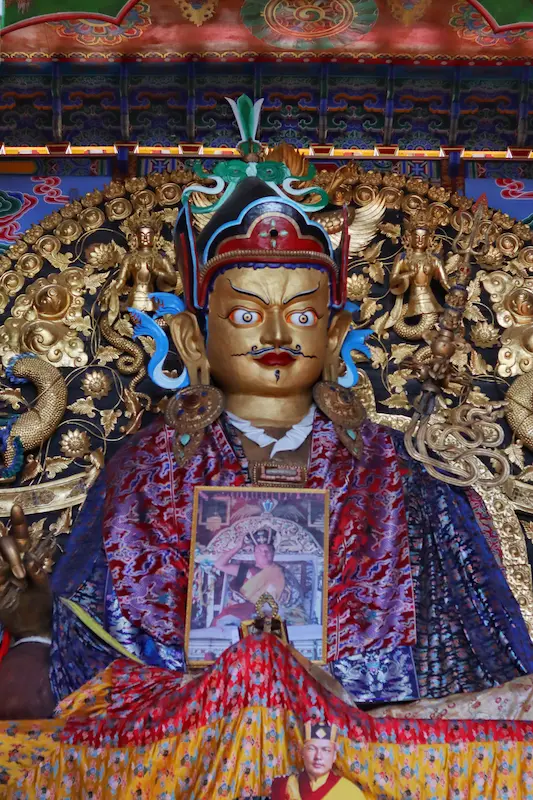
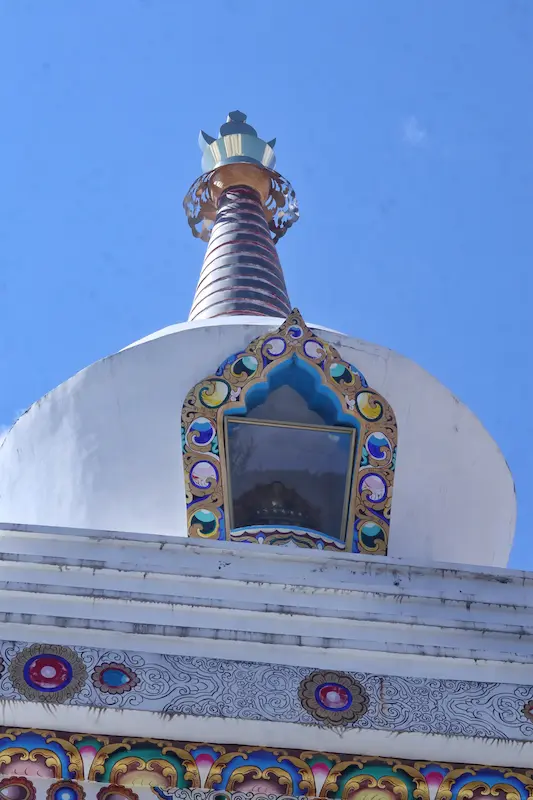
Visit to a Tibetan monastery in Shangri-La
Today we visit a local Tibetan Buddhist monastery near Shangri-La, offering a deeper look into the spiritual life of the region.
Tibetan monasteries are more than places of worship—they are centers of learning, art, and community. Rooted in Tibetan Buddhism, these monasteries have traditionally served as spaces where monks study philosophy, practice meditation, and preserve sacred teachings. Architecturally, they often feature layered halls, prayer rooms filled with murals and statues, and courtyards where daily rituals unfold.
Building on what we explored with the Tibetan artists, today’s visit allows you to see these ideas come to life. As you walk through the monastery, you’ll begin to recognize the symbolism behind the imagery—Buddhas, bodhisattvas, and intricate wall paintings—and understand the stories and meanings they carry.
Black pottery making workshop with a Tibetan family
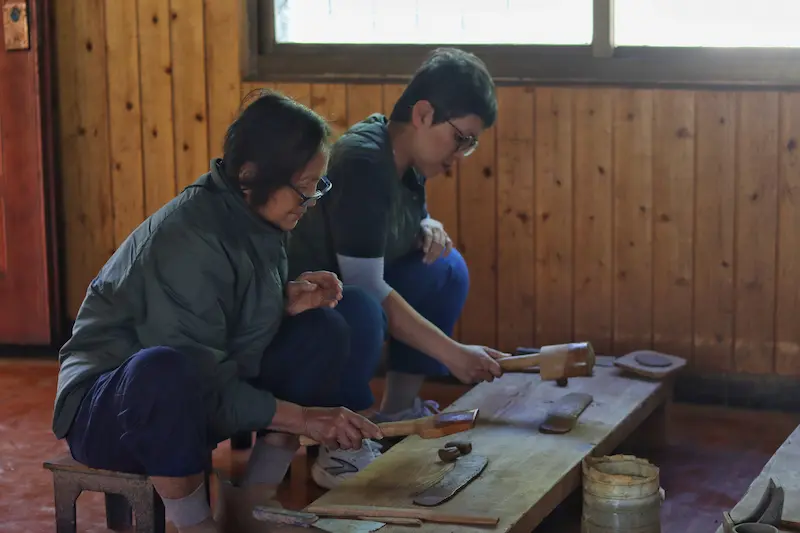
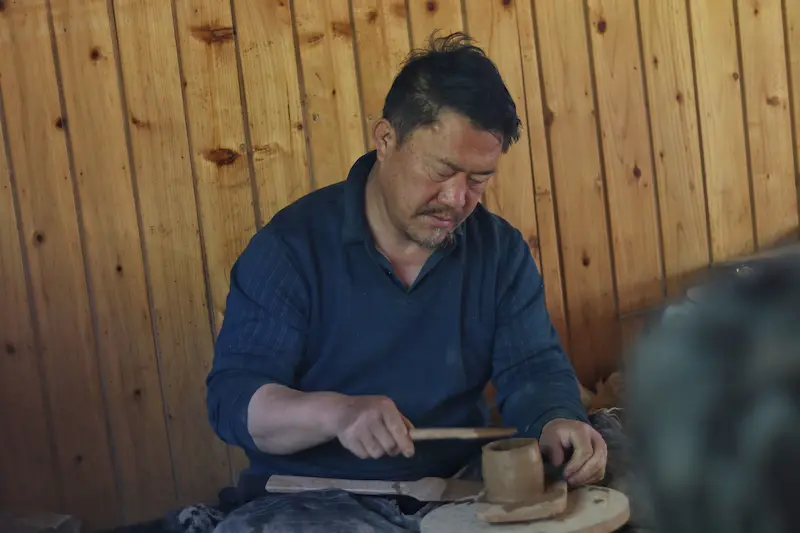
In the afternoon, we’ll visit a Tibetan family who has been quietly practicing the art of black pottery for generations. Tucked away in a village near Shangri-La, their home workshop offers a rare glimpse into a craft deeply rooted in everyday Tibetan life.
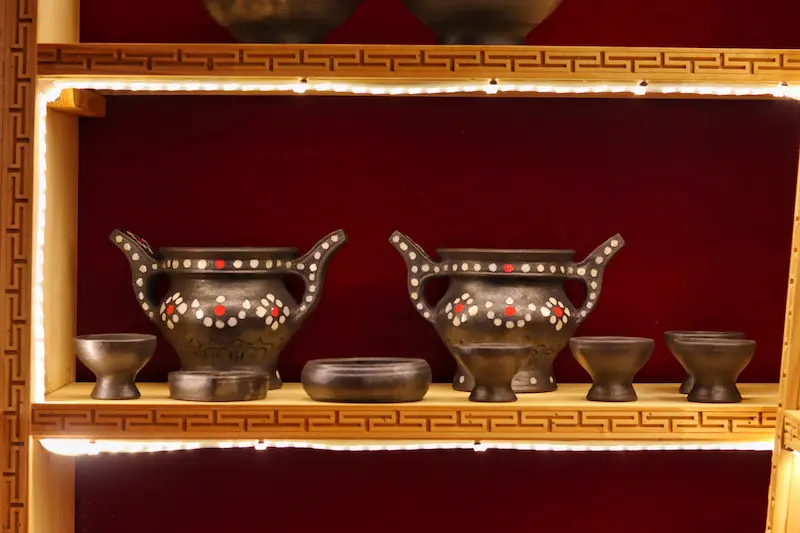
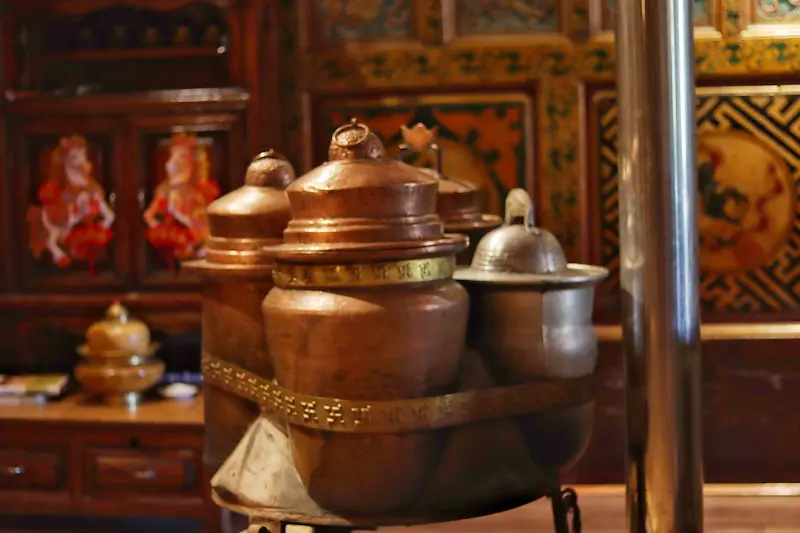
Using local clay and traditional hand-building techniques, the family will guide us through the process of shaping pottery without the use of a wheel. We’ll learn how the distinctive black color is achieved—not during firing, but afterward, when the finished pieces are buried in ash. This process creates the rich, dark surface that defines Tibetan black pottery. These vessels have long been used for cooking, storage, and daily rituals on the plateau.
You’ll be invited to roll up your sleeves and create your own small pottery piece under the artisan’s guidance. This is not a formal workshop, but a slow, hands-on experience shaped by observation, conversation, and shared time. As we work, the family will share stories about their craft, village life, and how this tradition continues alongside farming and herding today.
Day 13
Visit a Tibetan village and enjoy a home-cooked meal with a family
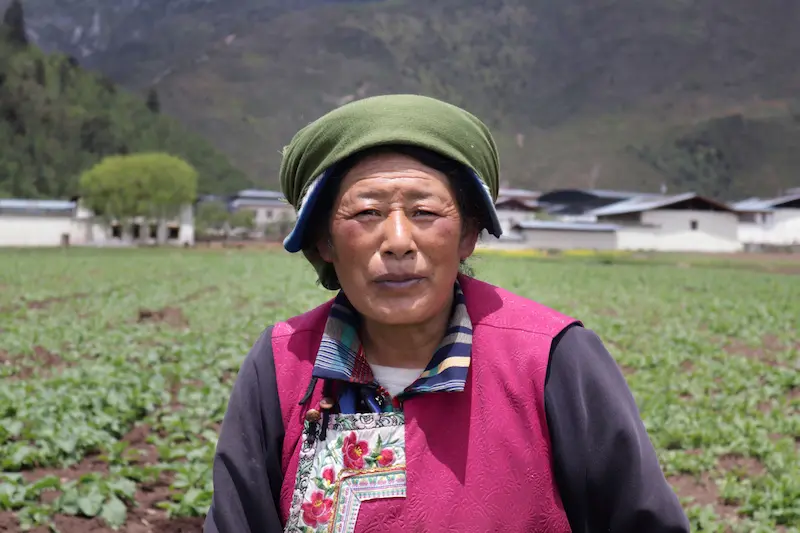
Shangri-La is a highland town on the Tibetan Plateau, known for its wide grasslands, crisp mountain air, and deep Tibetan Buddhist heritage. Long regarded as a gateway to Tibetan culture in Yunnan, it is home to monasteries, prayer flags, and a way of life shaped by altitude, faith, and the rhythms of nature.
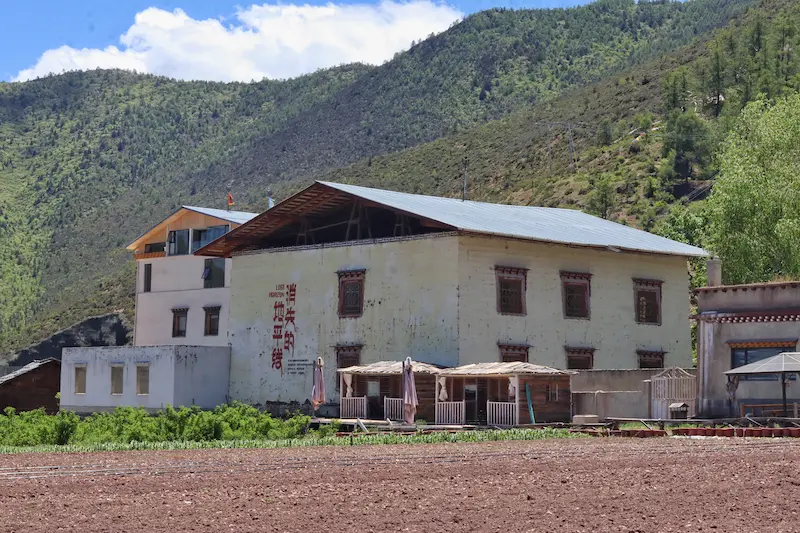
In the morning, we’ll visit a local Tibetan village just outside the old town, where daily life continues much as it has for generations. You’ll gain insight into traditional Tibetan architecture, village life, and cultural customs before being welcomed into a family home.
The experience concludes with a home-cooked meal prepared by the family—a warm and intimate introduction to Tibetan hospitality and highland cuisine.
Check out of your hotel and continue your Yunnan journey at your own pace, or transfer to the airport or train station for your journey home.
We will commence our journey in Kunming. Kindly ensure your arrival in Kunming for first dinner and hotel check-in.
We prioritize locally sourced, plant-forward, and organic ingredients, advocating for a low-carbon, eco-friendly, and healthy diet. The meals provided during the tour will predominantly consist of plant-based options, supplemented by select high-quality local non-vegan choices or fully vegan alternatives. We accommodate vegan, vegetarian diets, gluten-free or other requests.
Throughout the tour, public or local-style restroom facilities are accessible, while western-style toilets are predominantly available in hotels and large shopping complexes.
For a more authentic experience and to really support the local business, we usually choose clean, characteristic and comfortable local accommodation over international hotels, but when there are no local options, we would stay in regular local or international hotels. Every room is usually shared by two people. For single room supplement, please consult us prior to booking for pricing.
Ensure you pack comfortable footwear, waterproof hiking boots, a rain jacket, a swimsuit, towels, a toothbrush. Additionally, we suggest bringing along a reusable shopping bag.
Reusable bowls, bamboo chopsticks, spoons will be provided for guests. However, we strongly encourage you to bring your own reusable items.
As part of our eco-friendly initiative, we will furnish you with an eco-travel gift box for use during the tour. This includes items such as a bamboo toothbrush, tooth tablets, and soap bars.
During this tour, our guide will introduce you to our low impact lifestyle. We will assist you in minimizing the use of single-use plastic disposables by encouraging refusal and offering alternatives.
Price List Varies by Group Size
Tour Type: private tour
1500-3000 RMB per person per day
please consult us first about the pricing prior to booking
- All Food and Water(Breakfast, lunch, dinner and snacks)
- All Workshops
- Tickets to all the Sights(included in the tour)
- Experienced Local English-Speaking Guide
- A Private Electric Car or Van with Professional and Responsible Driver
- Airport or Train Station Pickup
- Accommodation(13 nights)
- Mandatory Insurance
【Price Includes】
- Tips (Optional)
- Souvenirs and Personal Expenses
- International/Domestic Flights or Trains
【Price Excludes】
Interested in a Custom Beyond the Classic Yunnan Trip?
The classic Yunnan route—Kunming, Dali, Lijiang, and Shangri-La—is one of the most popular ways to experience the region, and for good reason. These areas are rich in culture, landscapes, and history, and are widely accessible for first-time travelers. At the same time, much of what makes Yunnan truly special lies just beyond the main highlights.
This journey is designed to follow the classic route, while taking you off the beaten path—into quieter villages, lesser-known corners, and more authentic local settings. You’ll still experience the essence of Yunnan, from its diverse ethnic cultures to its regional cuisine and natural beauty, but in a way that feels more personal and less crowded.
Along the way, expect time in local markets, visits with artisans and families, forest walks, and hands-on experiences rooted in everyday life. These are moments that offer a deeper connection to the places you visit, going beyond surface-level sightseeing.
Each itinerary is thoughtfully curated and paced for depth rather than distance, allowing space for flexibility, spontaneity, and meaningful engagement throughout the journey.
- Best Season: Yunnan can be visited year-round due to its varied climate. Spring (March–May) and autumn (September–November) offer the most comfortable weather and clear views, while summer (June–August) brings lush landscapes and vibrant local life. Winter (December–February) is quieter, with crisp air and fewer crowds, especially in higher-altitude areas like Shangri-La.