The Unbeaten South
The Unbeaten Southern Yunnan Trip
Price Varies by Group Size
7 Days or More
Friendly to All Age
1-10 Pax
Into the Unbeaten South: Ancient Roads, Rice Terraces, and Living Traditions
This itinerary explores the little-visited south of Yunnan, following ancient trade routes through mountains, river valleys, and agricultural landscapes far from the usual tourist path. Beginning in Kunming, the journey moves gradually southward into regions shaped by rice cultivation, tea trading, migration, and cultural exchange over centuries.
We first visit Tonghai, a historic center of Han culture in Yunnan, known for its Confucian traditions, Tea Horse Road history, and well-preserved courtyard architecture. From here, we travel south to Gasa Town in Xinping, home to the iconic Flowery-Waist Dai ethnic group, known for their distinctive dress, silver ornaments, and rich village traditions. This visit offers insight into one of Yunnan’s most visually and culturally unique communities.
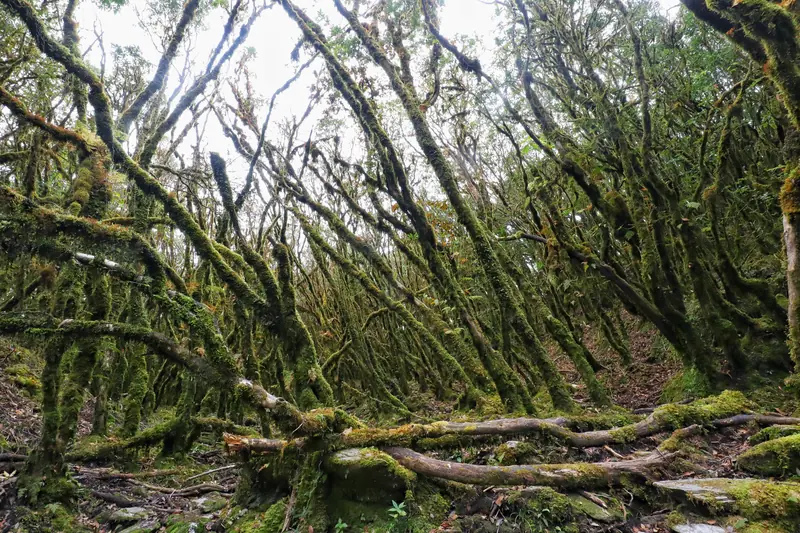
We then ascend into the Ailao Mountains, reaching higher elevations where the climate cools and the landscape changes dramatically. Here, we take a hike through dense, moss-covered forests, an ancient ecosystem shaped by mist, altitude, and time.
After descending from the mountains, we stop in a small town renowned for producing some of the best cane sugar in the region, where traditional sugar-making remains part of local life. From here, we continue onward to Shiping, where the journey transitions into Yunnan’s renowned tofu culture and historic towns.
The route then leads into the Honghe region, once a vital corridor of the Ancient Tea Horse Road, where old trading towns and caravan paths tell stories of tea, salt, and cultural exchange linking Yunnan with Southeast Asia. We also visit the largest rice terrace region in China, an extraordinary human-made landscape shaped by generations of farmers.
The journey concludes in Mojiang, historically an important Tea Horse Road trading town and today a crossroads of cultures and tea-growing traditions. Ending the trip here allows time to reflect on how ancient routes, agriculture, and migration have shaped southern Yunnan into one of the most culturally layered regions in the province.
Moving at a thoughtful pace, this journey favors depth over distance, offering meaningful encounters with villages, food traditions, and landscapes that continue to shape everyday life in southern Yunnan.
 Why an Unbeaten Journey Through Southern Yunnan?
Southern Yunnan is one of China’s most culturally rich yet least explored regions — a landscape shaped by ancient tea mountains, warm river valleys, misty rainforests, and villages where traditions are still lived rather than performed.
Traveling here means stepping away from polished tourist routes and into places where daily life follows the rhythm of the land. Ethnic communities continue to farm, forage, ferment, dye, and celebrate much as they have for generations. Old trade paths like the Tea Horse Road still connect villages, while local markets, family kitchens, and forest farms reveal a way of life deeply tied to nature.
An Unbeaten Southern Yunnan journey is not about checking sights off a list — it’s about slowing down, building real connections, and experiencing culture at its source. From cooking and eating with local families to walking through tea forests and remote mountain villages, every moment offers insight into a quieter, more grounded side of China that few travelers ever see.
Sample 8-Day 7-Night Itinerary
While our tours can always be customized to fit your schedule, we recommend a 7–14 day journey for a truly in-depth Yunnan experience.
Day 1
Arrive in Kunming, Yunnan
Check in your hotel and free time for leisure before group dinner
Dinner – wild mushroom hotpot
Yunnan is China’s treasure chest of biodiversity — a land where every season brings new flavors. During the rainy season (June–October), markets and streets across the province overflow with freshly foraged wild vegetables and mushrooms that spring to life with the rain and humidity.
Among the many local delicacies, the Wild Mushroom Hotpot is the ultimate Yunnan dining experience — rich, aromatic, and naturally full of umami. Thanks to modern preservation methods, we can now enjoy this local favorite all year round, while still savoring its authentic flavors.
On this tour, we’ll visit a local restaurant that offers wild mushroom hotpot all year round. No artificial seasoning — just the pure, earthy depth of the region’s finest wild fungi simmered to perfection.
Day 2
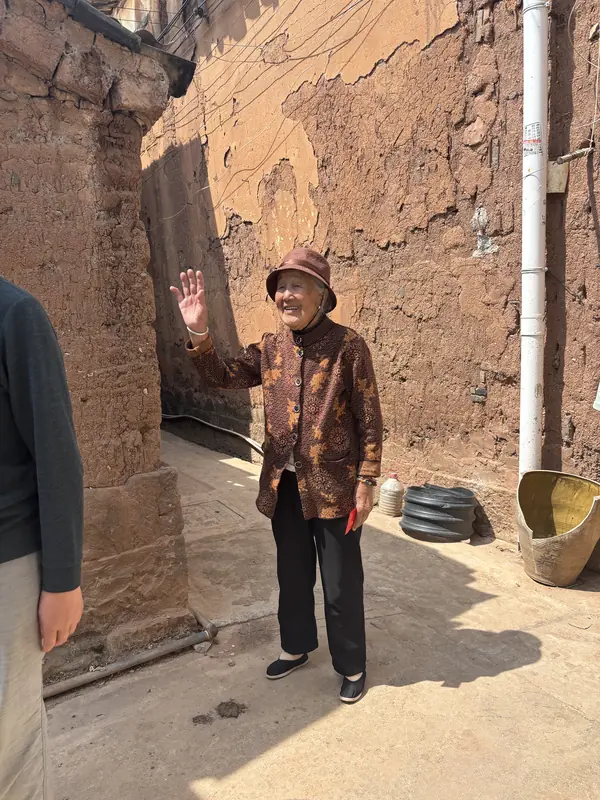
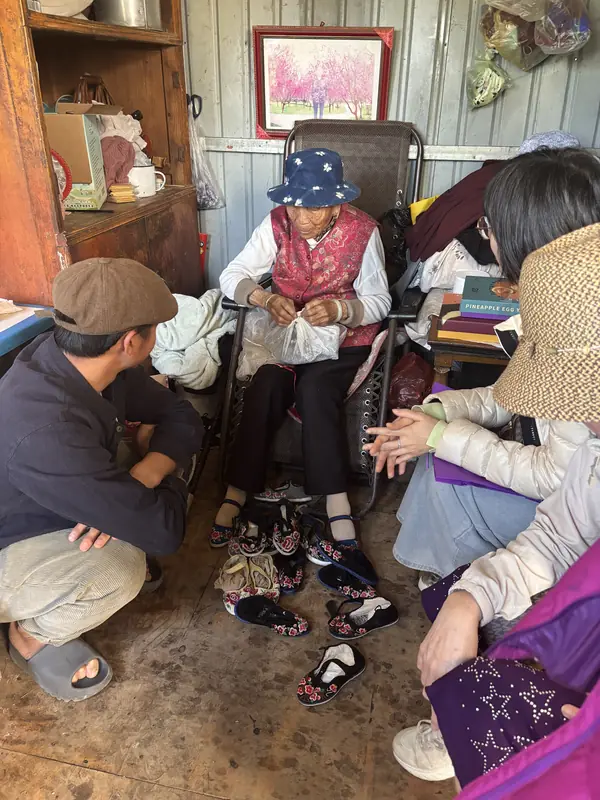
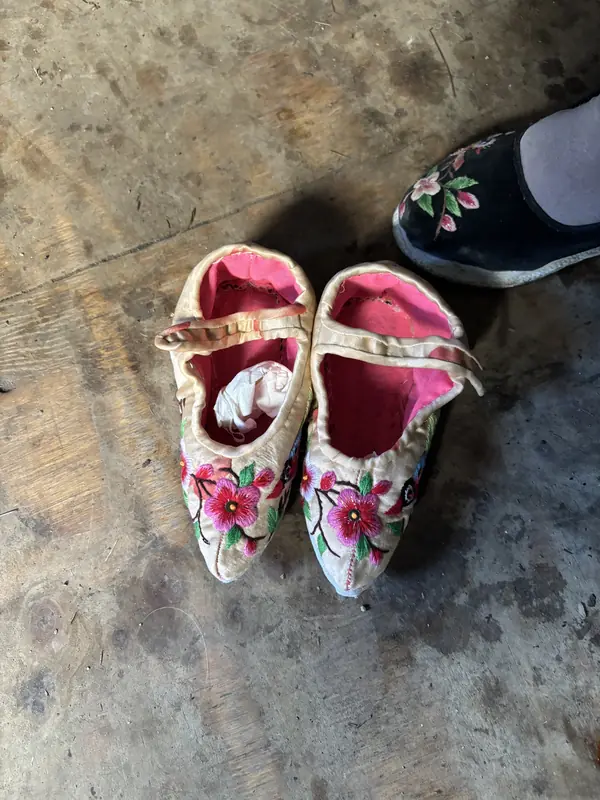
Drive to Tonghai to visit one of the last bound-feet women in China
In the morning, we will drive to a small village in Tonghai County, a quiet rural community that preserves a rarely spoken chapter of China’s social history.
This village was one of the last places in China where the practice of foot binding continued into the mid-20th century. During our visit, we will pay a visit to one of the few remaining women in the village who experienced foot binding in her childhood, offering a personal window into how this tradition shaped everyday life.
The visit is approached with care and sensitivity, focusing on listening and understanding rather than spectacle. Through conversation and observation of village life, we gain insight into how cultural values, family expectations, and isolation allowed this practice to persist here long after it had disappeared elsewhere.
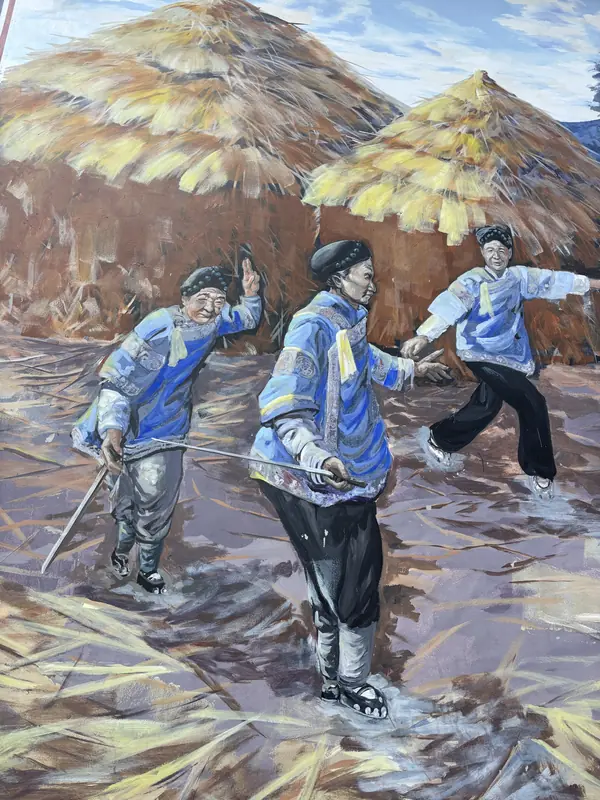
Afternoon — Explore Tonghai: Han traditions, trade routes, and hidden communities
Tonghai is one of the most historically layered places in central Yunnan, with a depth that far exceeds its modest size. For centuries, it has been a stronghold of Han Chinese culture in a province better known for its ethnic diversity. Confucian values, family lineage, education, and ritual order shaped local society here more strongly than in many surrounding regions, influencing everything from village organization to social customs.
Throughout imperial and modern history, Tonghai produced many influential scholars, officials, merchants, and cultural figures, giving it a reputation as a place of learning and refinement. At the same time, numerous well-known historical figures, traders, and intellectuals passed through, stayed, or lived in Tonghai, drawn by its strategic location and prosperous economy. This constant flow of people helped make Tonghai both conservative in values and outward-looking in connections.
Tonghai was also an important node along the Tea Horse Road, linking central Yunnan with southern trade routes toward Southeast Asia and the Tibetan regions. Tea, salt, rice, and daily goods moved through the area, creating wealth that shaped local architecture and social structure. One of the clearest examples can be seen in the Hui Muslim villages, where grand courtyard houses built by prosperous trading families over a hundred years ago still stand today, reflecting a blend of Islamic identity and Han architectural tradition.
Adding another rare layer to Tonghai’s cultural landscape is its Mongolian community. With a population of around 20,000, the Yunnan Mongolians are one of the smallest ethnic groups in the province, and Tonghai is one of their most important settlements. Their presence offers a little-known chapter of Mongolian history far from the northern grasslands, shaped instead by agriculture, trade, and long-term coexistence with Han and Hui communities.
In the afternoon, we will visit an ancient Tea Horse Road village, browse through local ethnic style market which is held once every few days, walk through a Mongolian village, and gain a fuller understanding of how agriculture, trade, migration, and culture intertwined to shape Tonghai into the quietly significant place it is today.
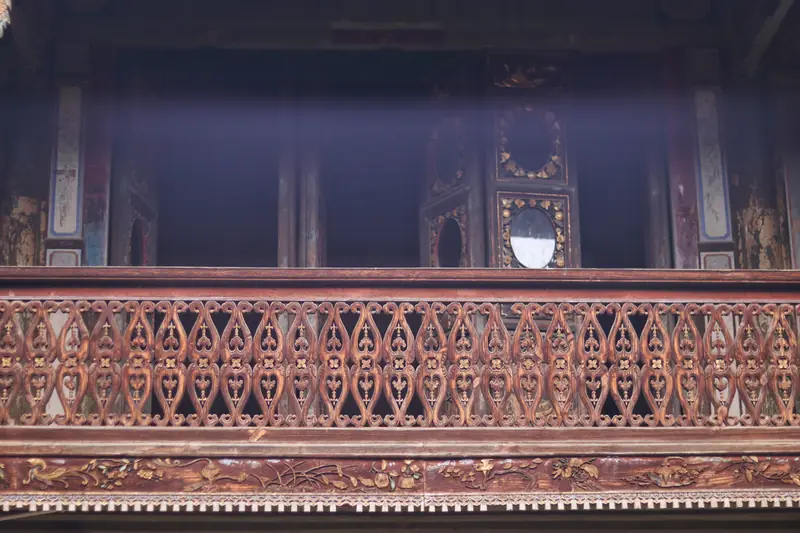
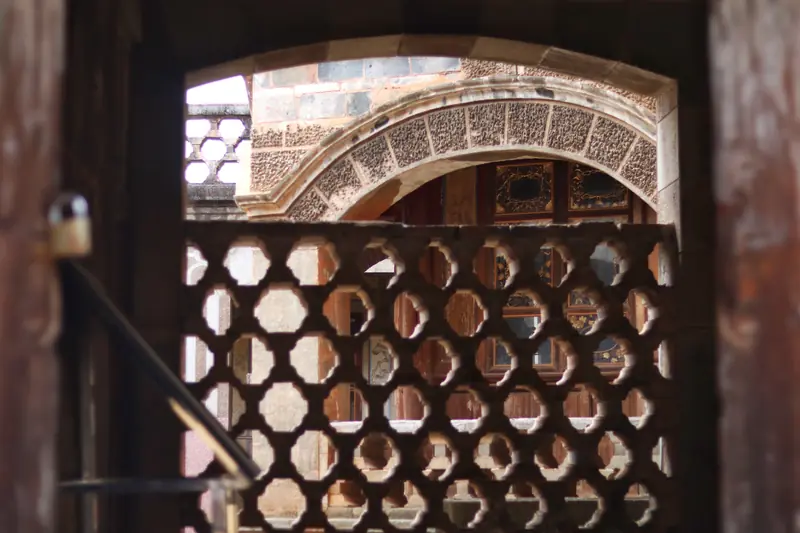
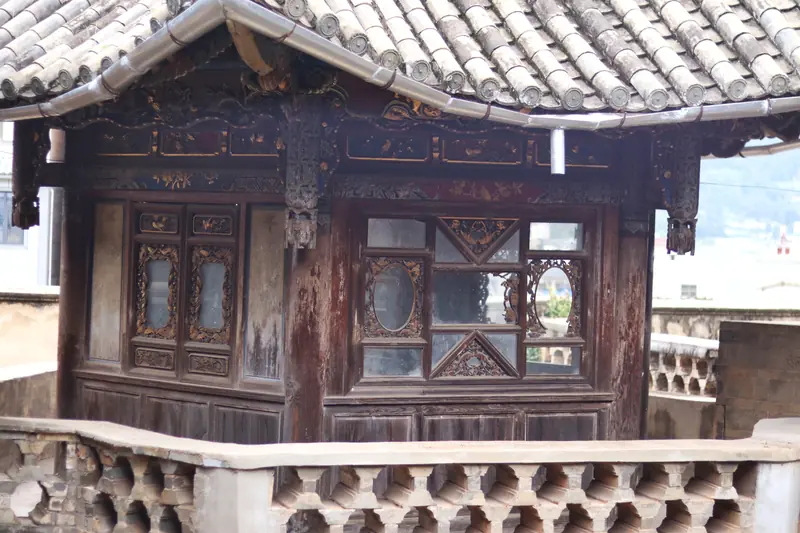
Dining and coffee in Tonghai’s century-old courtyard houses
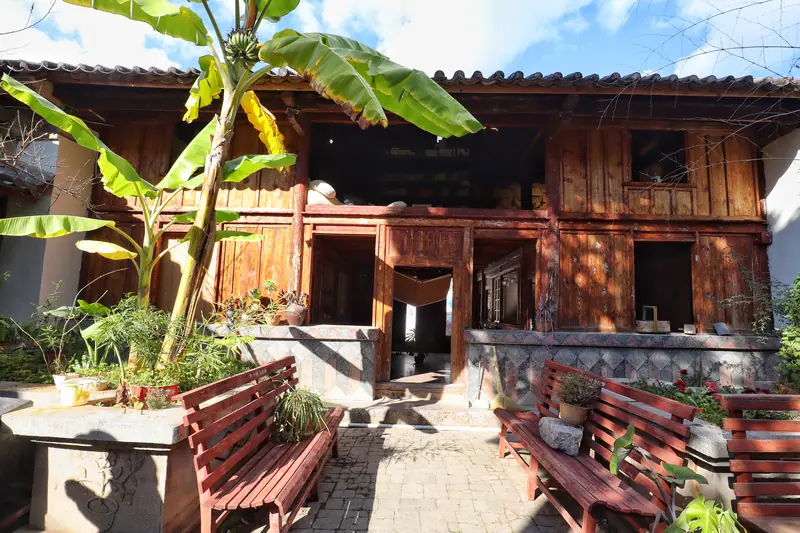
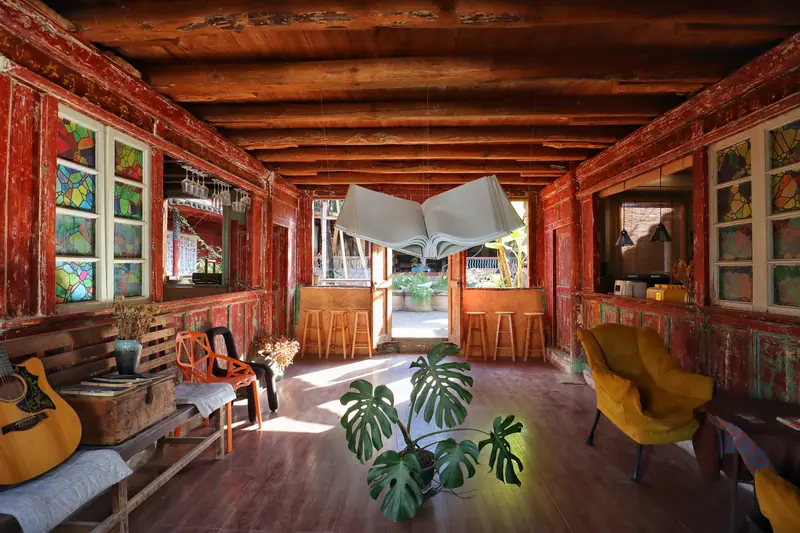
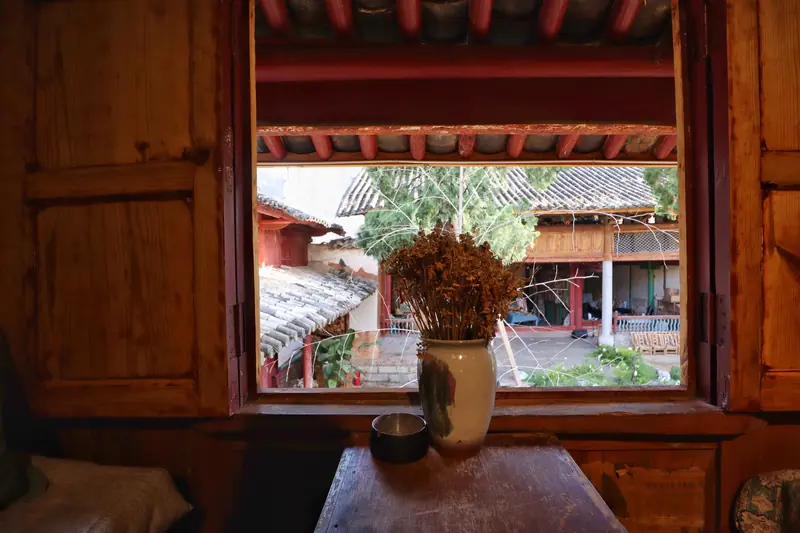
Because of Tonghai’s long and prosperous history, a remarkable number of ancient buildings have been preserved throughout the town. Many of these old courtyard houses, built more than a hundred years ago, have found new life as cafés, teahouses, and small restaurants, allowing history to remain part of everyday life rather than a museum display.
During our visit, we will stop by a café set inside a traditional courtyard house over a century old, where we can rest and take in the quiet atmosphere of the space. In the evening, we will enjoy dinner at a local restaurant housed in another well-preserved courtyard residence, also dating back more than 100 years.
These buildings remain largely intact, with original layouts, wooden structures, and stone details still visible. Spending time in them offers a gentle, intimate way to experience Tonghai’s past—not through monuments, but through spaces that continue to be lived in and used today.
Day 3
Drive to Gasa town for flowery-waist Dai market visit
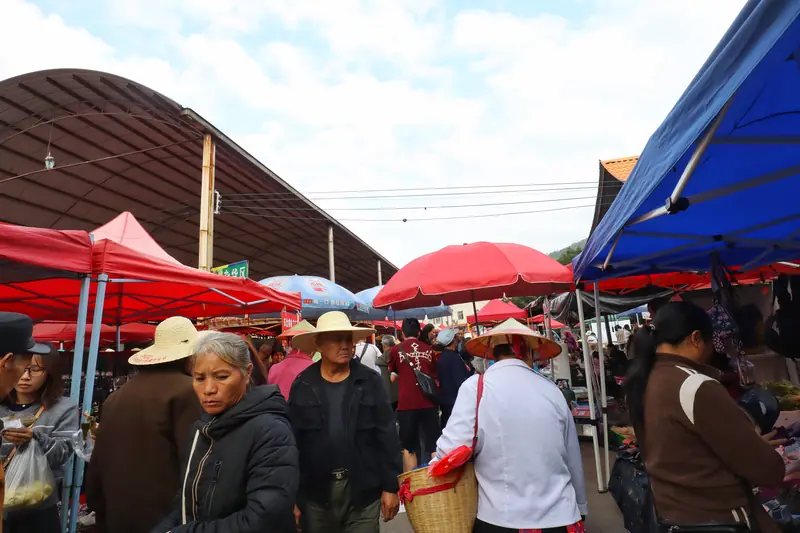
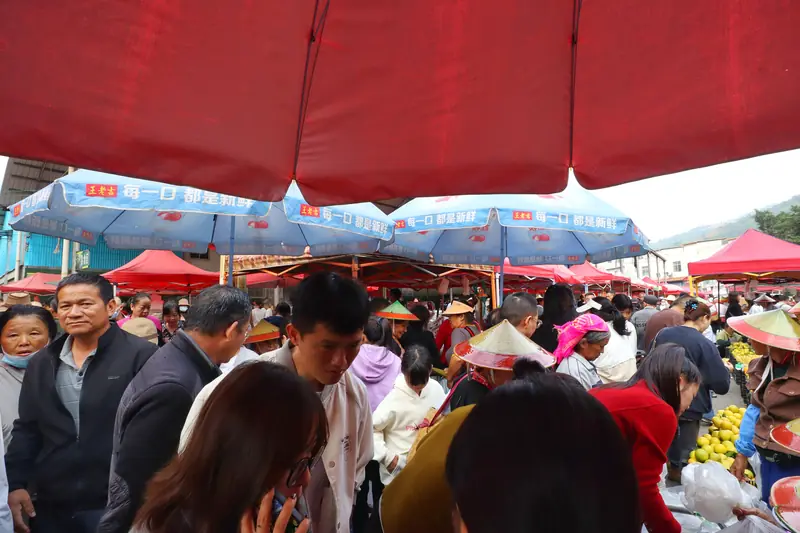
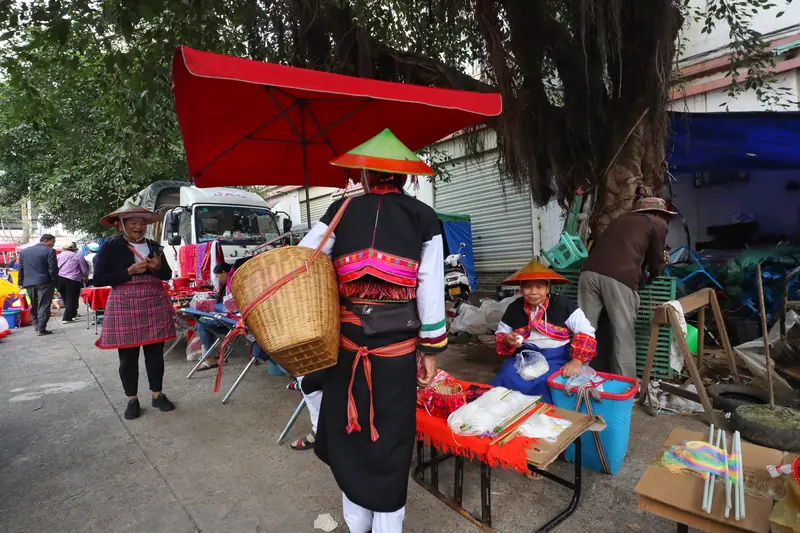
In the morning we visit the vibrant Flowery-Waist Dai market in Gasa, one of the most colorful ethnic markets in Yunnan. The Flowery-Waist Dai — known for their bright clothing and iconic bamboo hats — gather here every 5–6 days for their traditional market day.
The market is full of life: villagers from nearby communities arrive early with fresh produce, wild herbs, handmade snacks, tobacco, traditional clothing, and locally crafted daily goods. It’s a rare chance to see authentic ethnic interactions, bargaining, and the rhythms of everyday life that haven’t changed much for generations.
After lunch we will drive to the top of Ailao mountain for a hike and sunset and stay at a hotel at the top of the mountain and enjoy dinner there
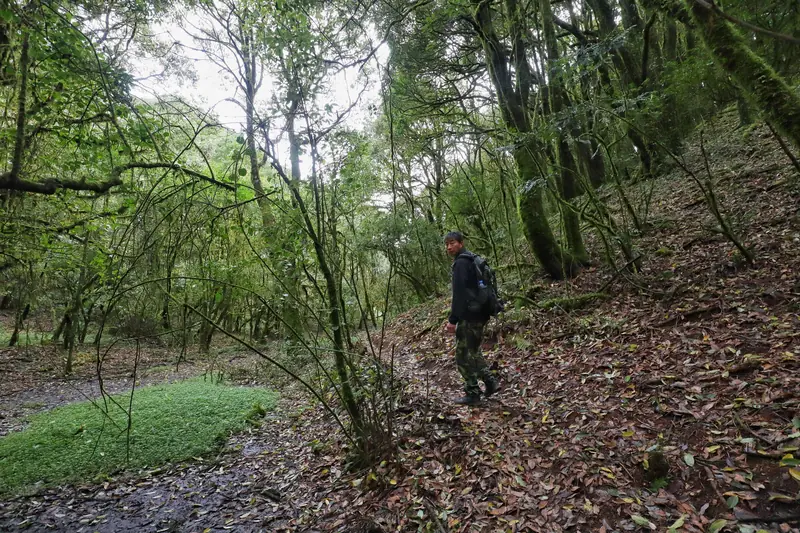
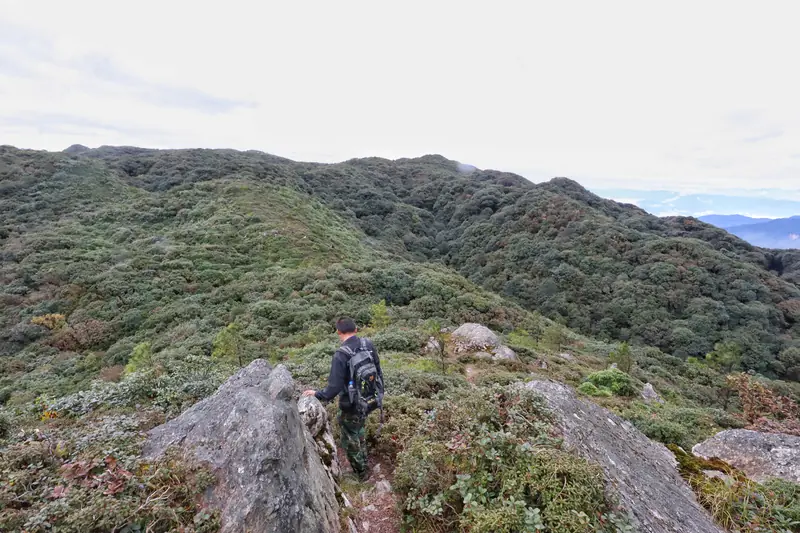
In the afternoon, we head into the Ailao Mountain range and begin a guided hike near one of its higher peaks. The trail passes through a well-preserved forest with moss-covered trees, wild tea plants, small mountain streams, and various native medicinal plants. A local guide from the nearby village will lead the route, as required for hiking in Ailaoshan.
After the hike, we check in to a small hotel located on the mountaintop. This area is known for clear views of the surrounding ridges, and on good weather days, it offers an excellent spot to watch the sunset. We will have dinner at the hotel and stay overnight on the mountaintop before heading down the next day.
Day 4
Early wake-up for one of the best sunrise and cloud-sea views in Yunnan (weather dependent, but winter is the only season)
Today we will rise early and drive to a hidden viewpoint known for having one of the best sunrise and cloud-sea views in Yunnan. This phenomenon can only be seen in winter. Because of the large elevation difference between the Red River valley—where Gasa is located—and the surrounding mountains, clouds often form at the top of the river basin and drift upward. From the mountaintop viewpoint, we can clearly see the sunrise above the cloud layer before heading down for the rest of the day’s activities.
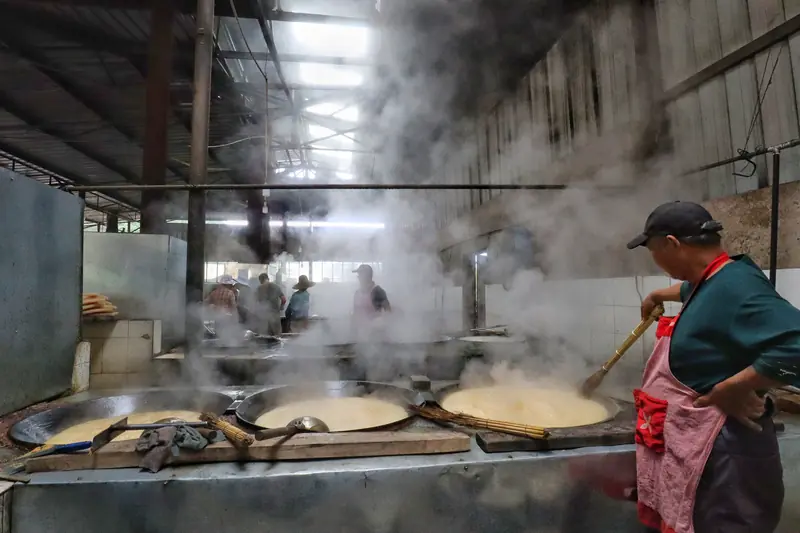
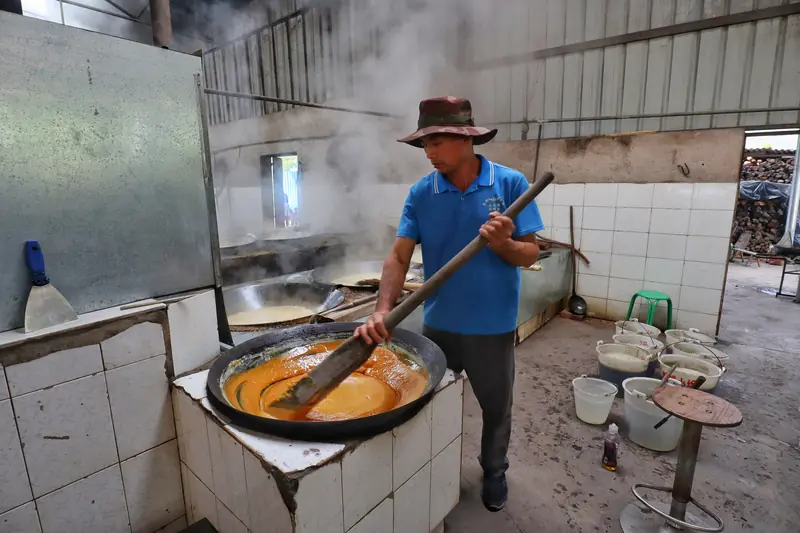
On our way to Shiping, we make a stop at a small riverside town renowned for producing some of Yunnan’s finest traditional cane sugar. Thanks to its warm river-valley weather year-round, this region has long been ideal for sugarcane cultivation, earning it a reputation as one of Yunnan’s most important cane-growing areas.
Yunnan’s traditional brown cane sugar is deeply rooted in local life. Made using age-old methods rather than industrial processing, it retains rich molasses flavors and natural minerals, and is widely used in home cooking, herbal drinks, and traditional remedies.
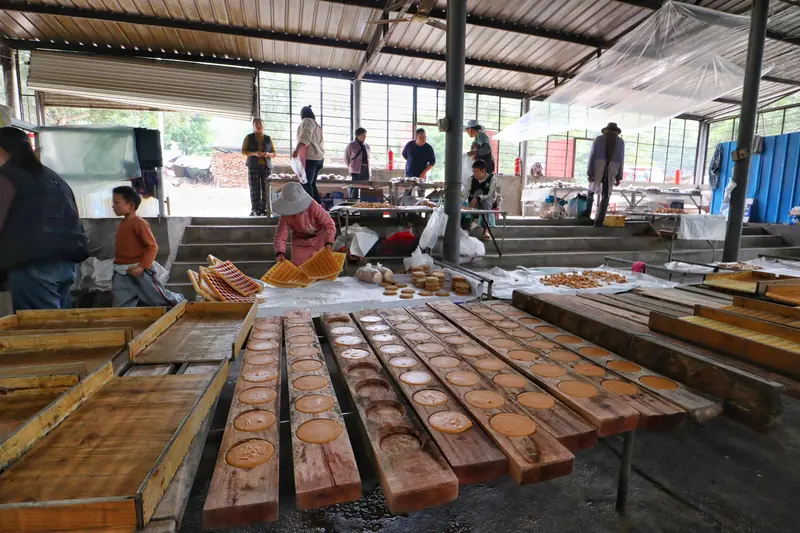
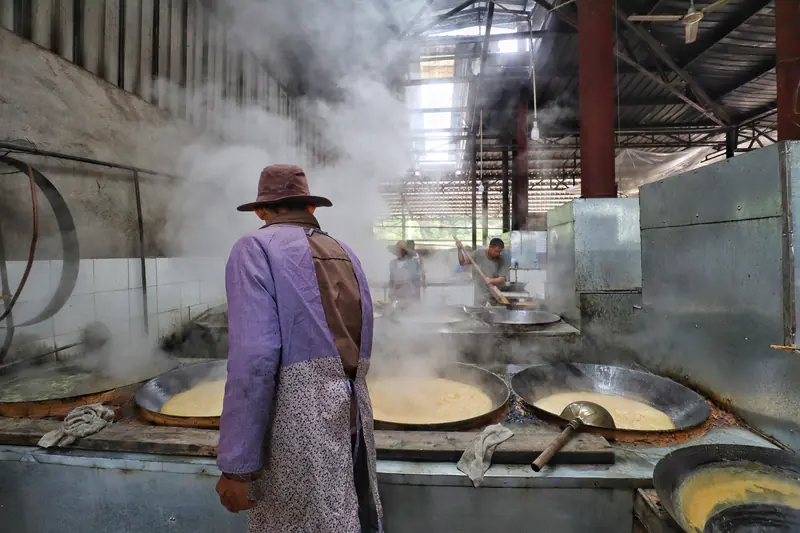
Here, we visit a local village where cane sugar is still made the traditional way(seasonal). You’ll see the full process—from crushing freshly harvested sugarcane and slow boiling the juice over wood fires, to thickening, stirring, and setting the sugar by hand. You are invited to roll up their sleeves and take part in certain stages of the process, gaining a hands-on understanding of this disappearing rural craft.
Day 5
Visit Shiping-the birthplace of Yunnan’s most iconic tofu
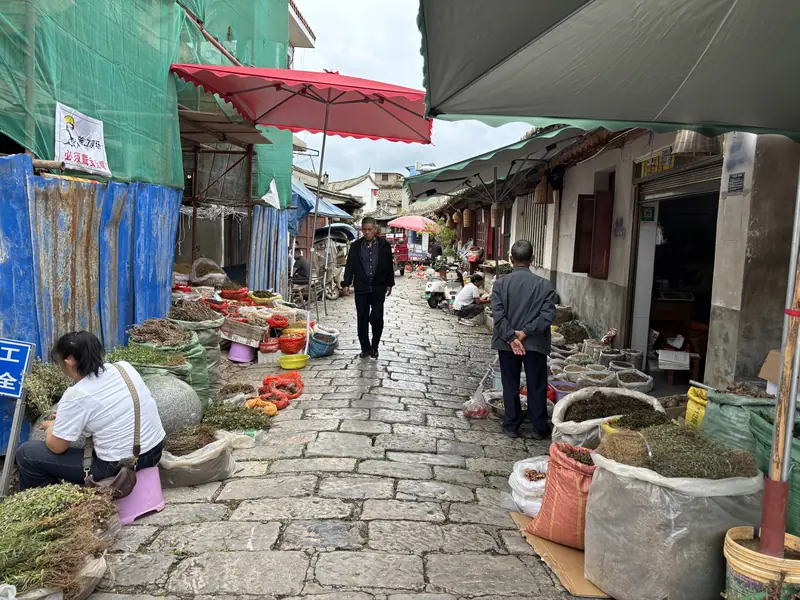
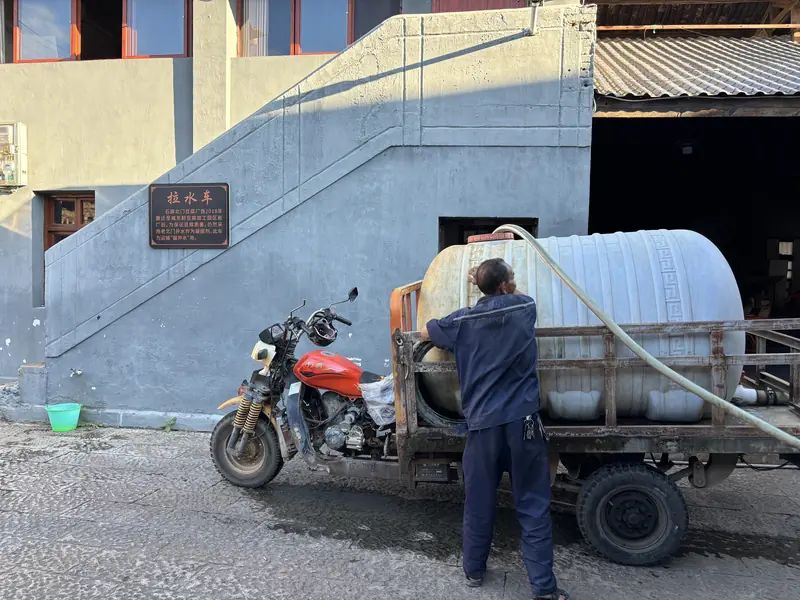
In the morning, we will wander through the quiet, authentic narrow alleyways to discover the secret behind Shiping tofu, learning how the town’s ancient wells and traditional techniques shaped its reputation. Along the way, we’ll try different versions of freshly roasted Shiping tofu served right on the street — soft, juicy, and full of flavor.
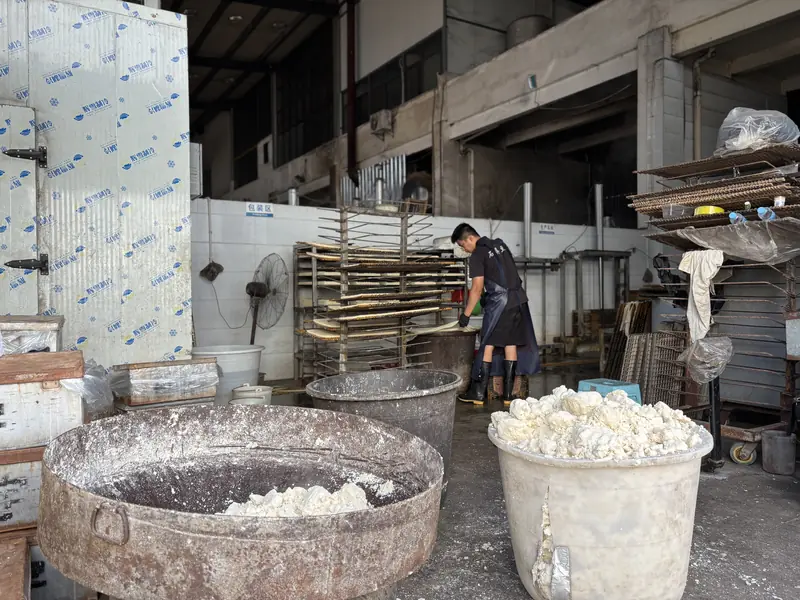
After exploring the alleyways, we will visit a local tofu workshop to see how Shiping tofu is made, from soaking the beans to pressing and shaping each piece by hand.
After lunch, we’ll make a quick stop at a 600-year-old village hidden in the countryside.
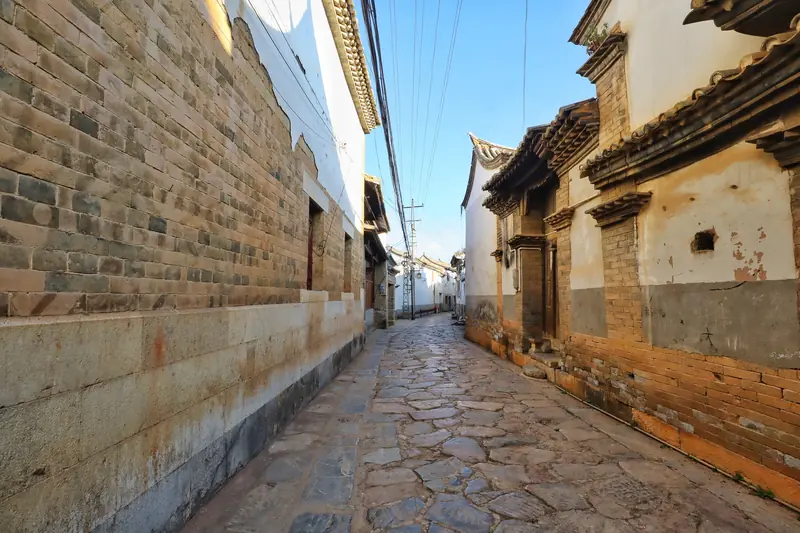
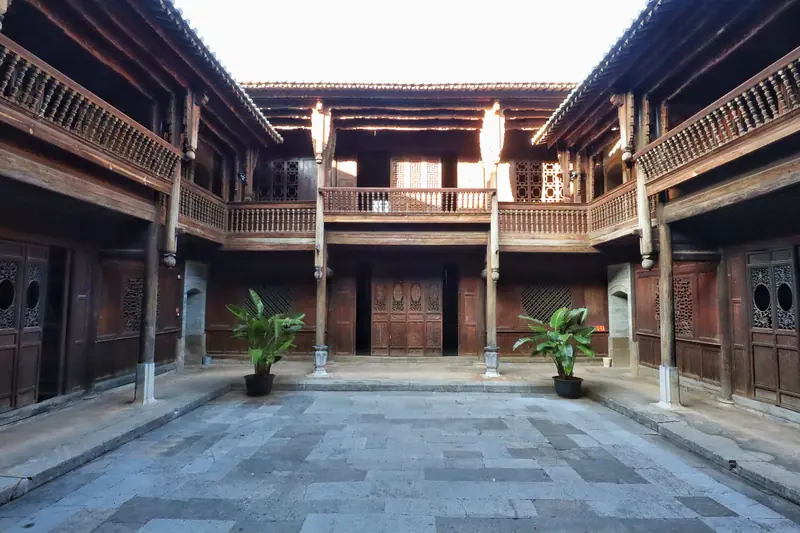
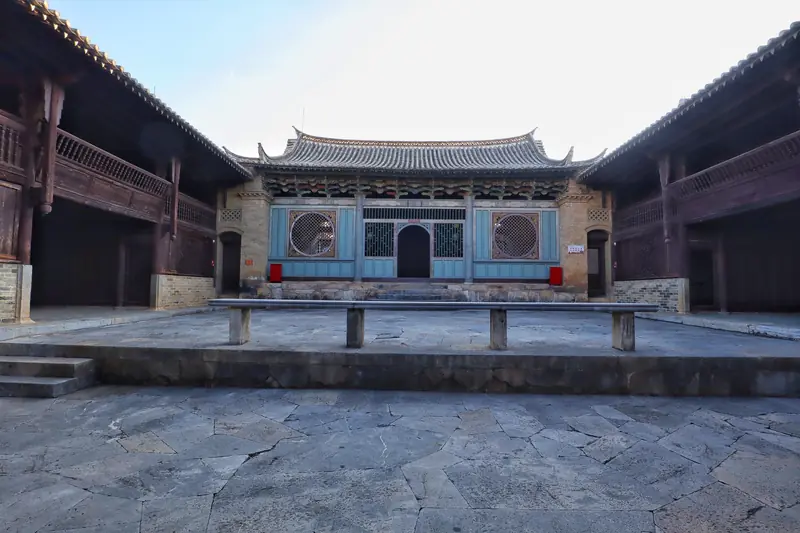
This village has a remarkable history — one of its former residents built the very first privately owned railway in China. Walking through the narrow lanes, you can still see the old courtyard houses with traditional wood and stone structures that reflect the prosperity of its past merchant families.
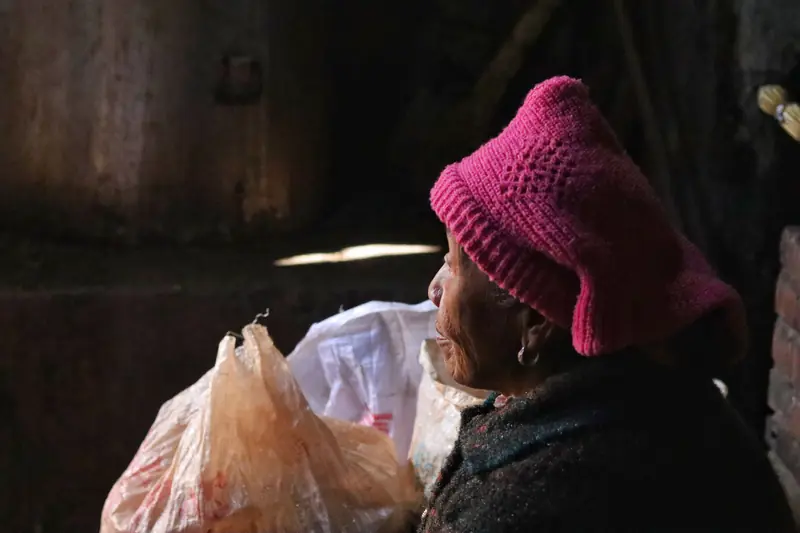
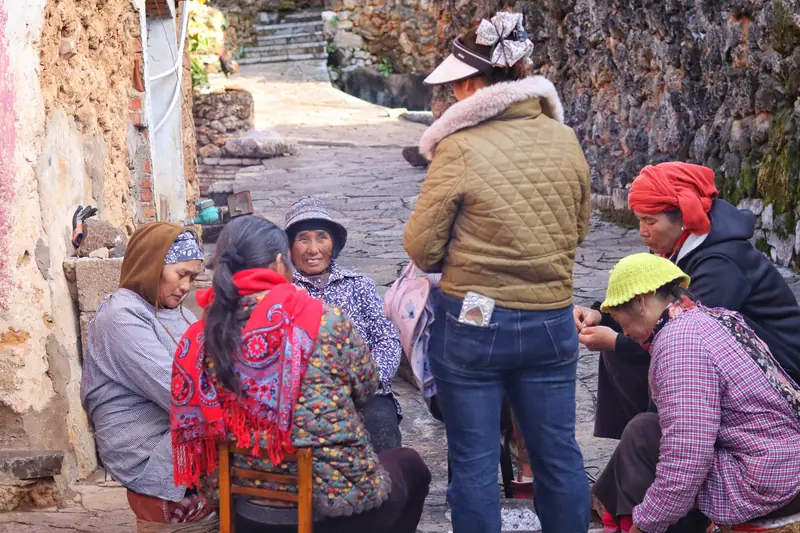
Life here moves at a much slower pace. Elderly residents sit in the shade chatting, corn is sun-dried in courtyards, and many homes still use their original wells and old cooking stoves. It’s a quiet, authentic village where daily life hasn’t changed much for generations.
Drive to a 500-year-old hidden fossil village, explore the village and enjoy an authentic local dinner at the village
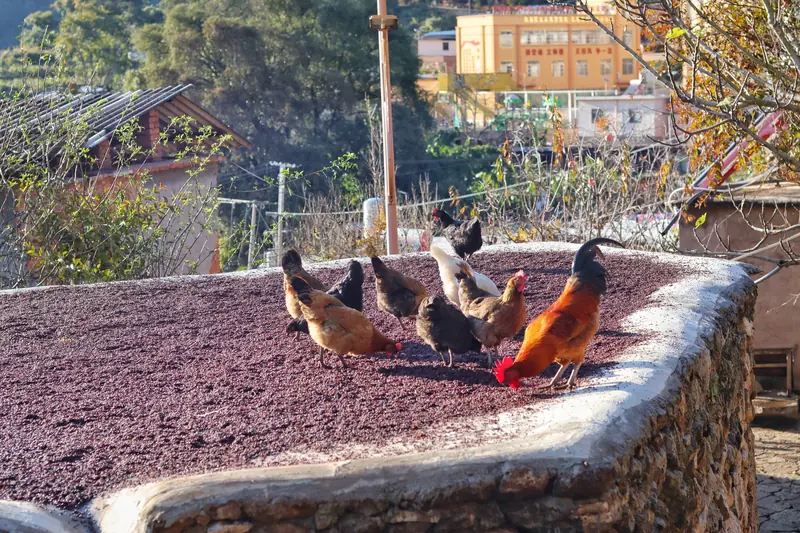
In the afternoon, we will drive to a 500-year-old hidden village where every house is built entirely from fossil stone. As we walk through the narrow paths, you’ll see walls filled with leaf and shell fossils dating back hundreds of millions of years — a rare sight even in Yunnan.
Life here has changed very little over the past five centuries. Villagers still dry crops on their rooftops, make local liquor from sorghum and corn, gather wild plants for incense, and prepare firewood for their traditional tobacco ovens.
Exploring this village feels like stepping into a living fossil museum — a quiet place where history, geology, and daily life blend together in the most unique way.
Day 6
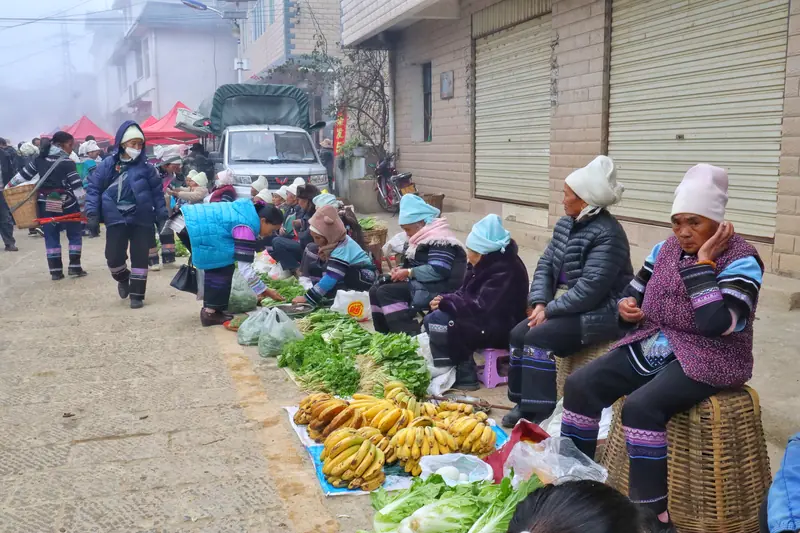
Morning visit to the Hani Market and enjoy lunch at a local restaurant
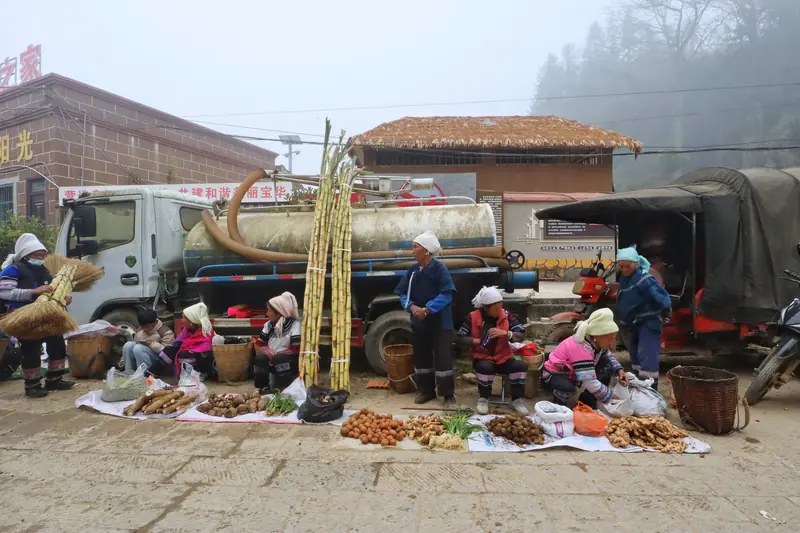
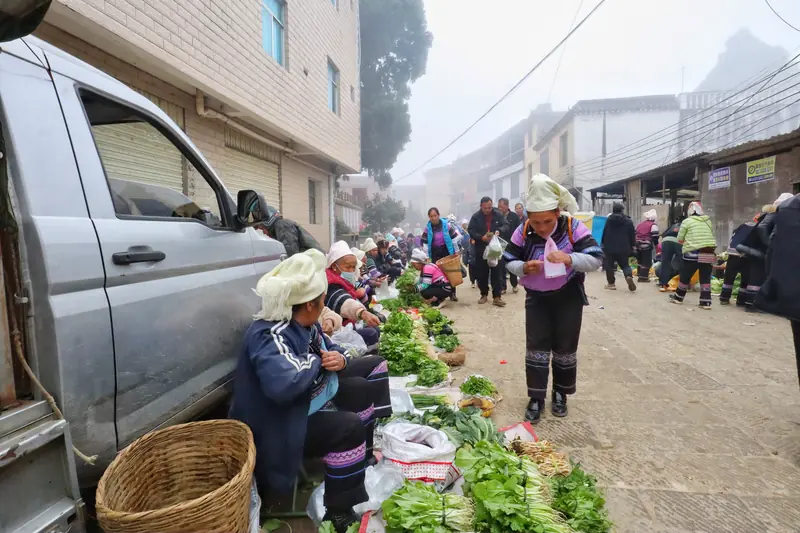
In the morning, we will visit a local Hani-style market. This region is remote from larger cities, so the market retains an authentic, traditional atmosphere. It is a place where locals gather to trade fresh produce, handicrafts, and other daily necessities, providing a window into the rhythms of life in this mountain region.
Markets are an essential part of Yunnan’s cultural life. Across the province, weekly markets bring together different communities, offering a space not only for commerce but also for social interaction, storytelling, and the exchange of knowledge.
The market is especially significant because it reflects the local Hani traditions in a setting largely untouched by modern tourism. We can observe how residents source and sell local ingredients, handmade goods, and other items essential to daily life, giving a genuine insight into rural Yunnan culture.
Visit the largest but lesser-known continuous rice terrace system in China
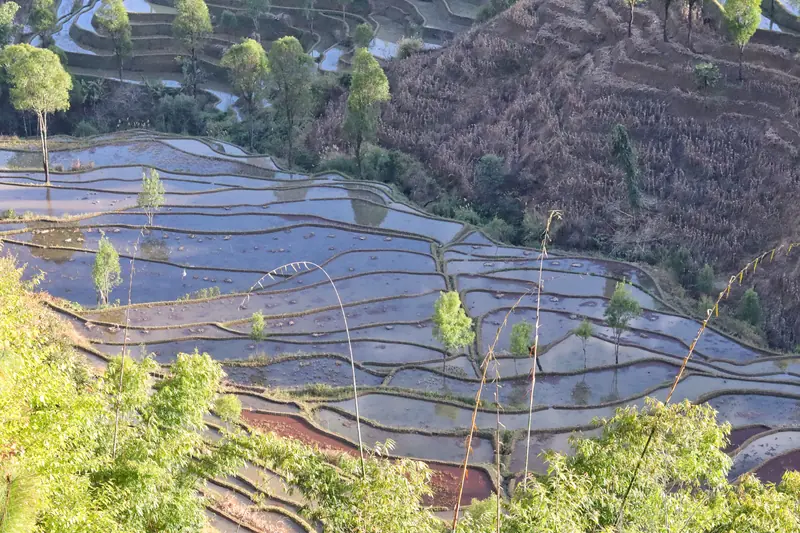
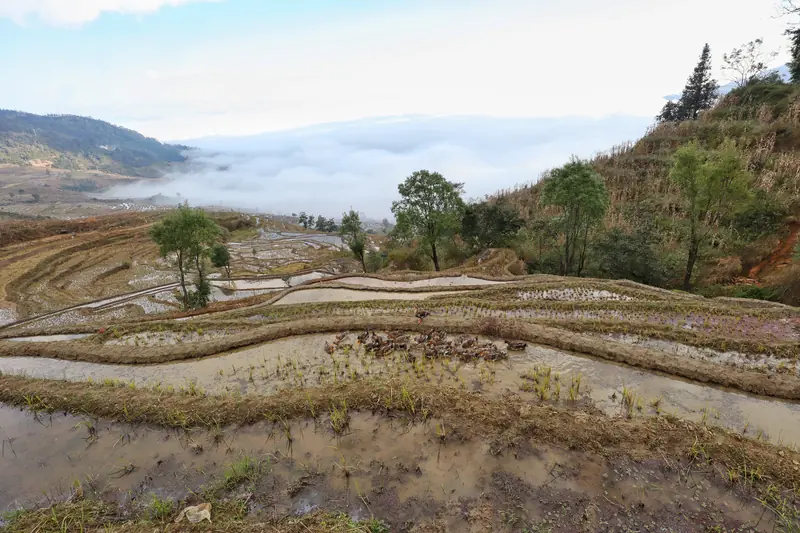
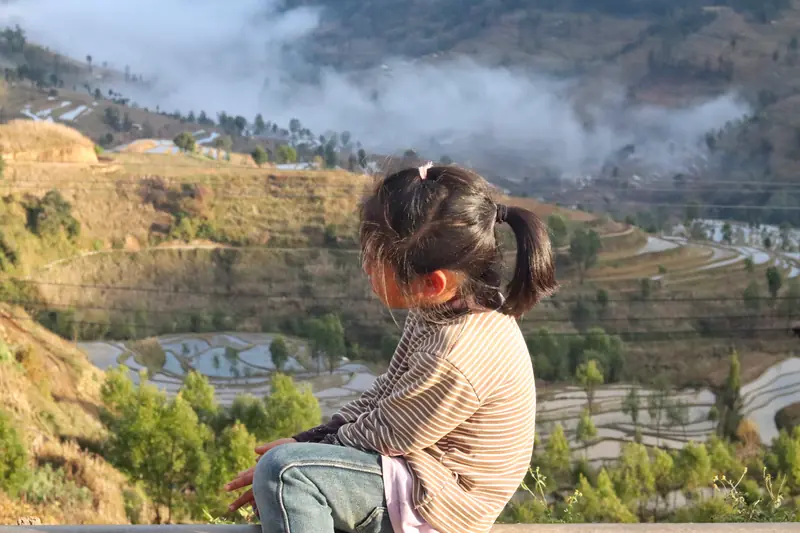
After exploring the local market, we will continue our journey to the nearby rice terrace region— the largest continuous rice terrace system in China.
Despite its massive scale, it remains unknown to most travelers and is far less visited compared to its famous counterpart in Yuanyang.
These terraces were built and maintained by the Hani people, the mountain farmers who have shaped Yunnan’s landscape with their terraced engineering for more than a thousand years. The fields stretch across the mountains in wide layers, showing how the Hani adapted to the steep terrain with incredible skill and effort.
Winter is the best season to visit. During these months, the terraces are filled with water, creating clear reflections and giving you a full view of their structure and size. With few tourists around, the area remains quiet, allowing you to take in the vastness of the landscape at your own pace.
Day 7
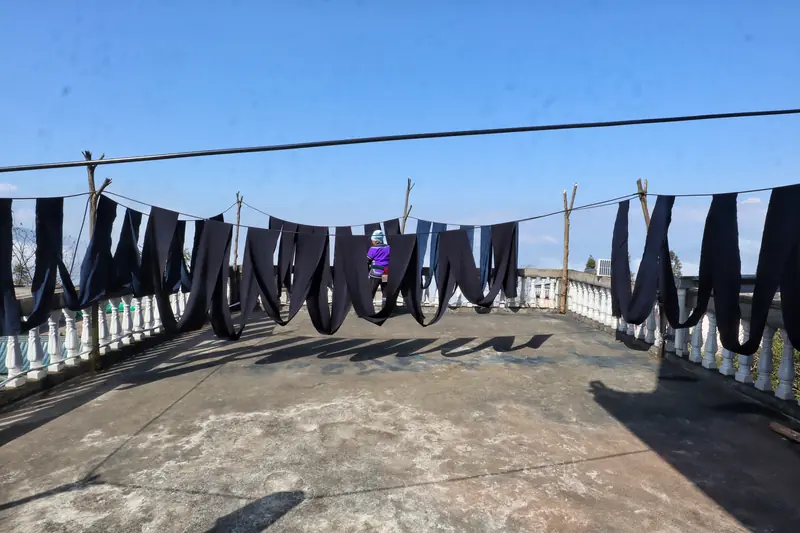
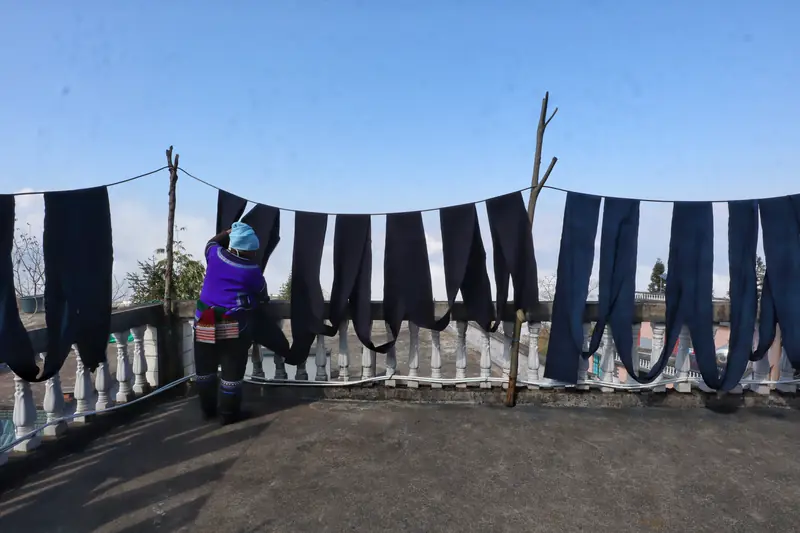
Experience a living indigo heritage in a remote Yi village
In the morning, we drive into a hidden Yi village rarely reached by outsiders at the rice terrace region of the Ailao Mountains. Tucked among forested slopes and layered fields, this village offers a glimpse into a way of life that has changed little over generations.
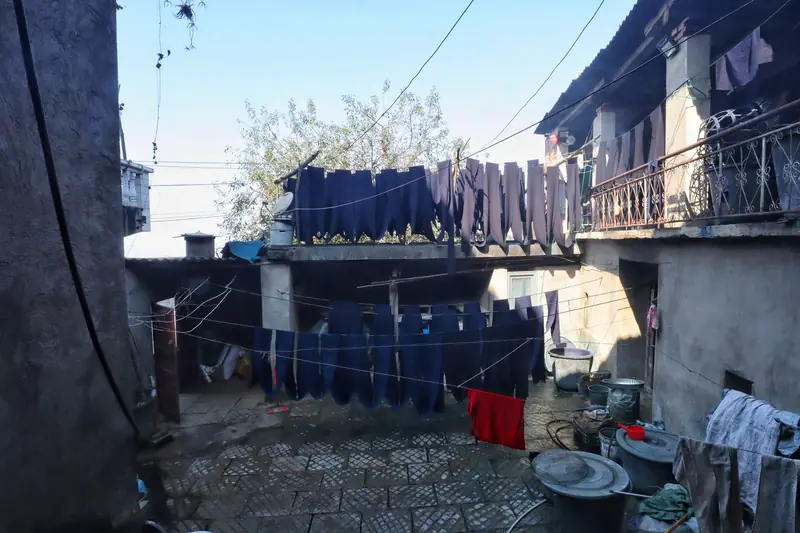
Here, we are welcomed into the home of an elderly Yi grandmother who does not speak Mandarin, yet communicates through gestures, smiles, and the quiet rhythm of daily work. She is one of the few remaining keepers of a centuries-old indigo dyeing tradition, passed down through hands-on practice rather than written instruction.
Using natural indigo, simple tools, and patient, repetitive movements, she demonstrates each step of the dyeing process. You are invited to roll up their sleeves and participate in parts of the work — preparing the cloth, dipping it into deep blue dye, and witnessing how time, air, and experience transform fabric into rich shades of indigo.
Drive to a mountain-top city and visit a quiet ancient Tea Horse Road trading town
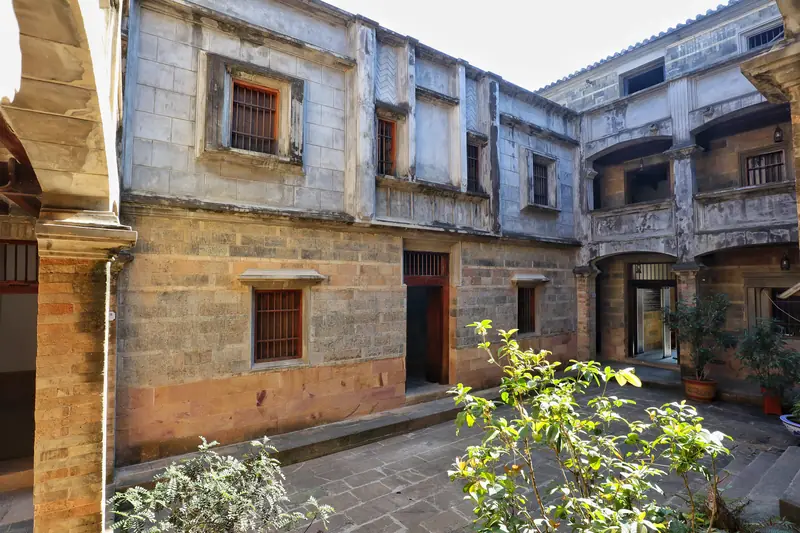
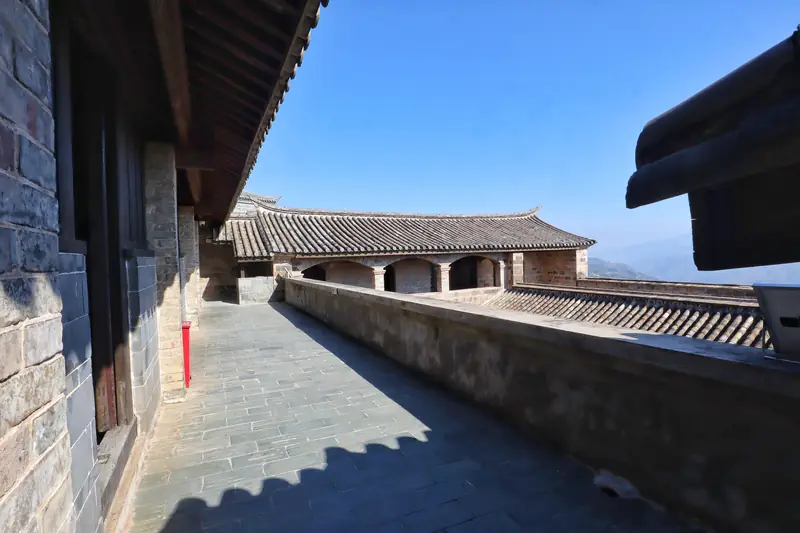
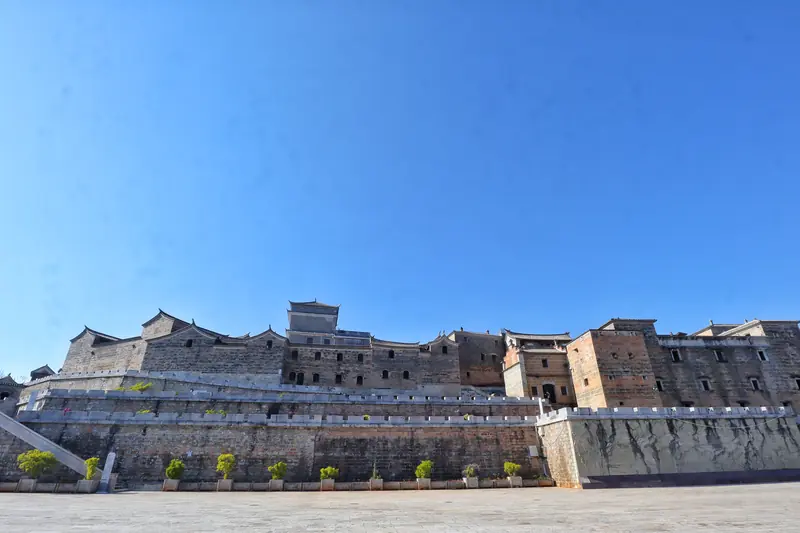
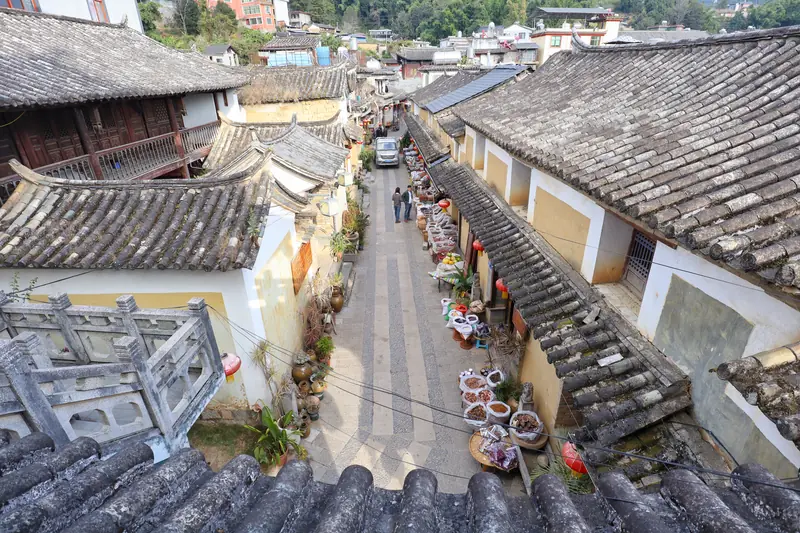
After lunch, we will drive to Honghe, a mountain-top city overlooking the Red River region. Our next stop is a quiet ancient Tea Horse Road trading town, once an important stop for merchants moving tea, salt, and daily goods across southern Yunnan.
We will walk through the old streets to see the historic courtyard houses built with a blend of Chinese and early Western architectural elements — arched doorways, carved wooden beams, and thick stone walls that were designed to keep the buildings cool in summer and warm in winter. These structures were built by local Hani, Han, Yi families who prospered from caravan trade, and the use of local stone gives the town a solid, distinctive look.
Unlike the more famous ancient towns in Yunnan, this place remains peaceful and untouristic. Most shops are closed or run by long-time residents, giving you a clear picture of what life was like during the days of caravan trading. It’s a quiet, authentic stop that shows the heritage of the Tea Horse Road without the crowds.
Drive to explore an ancient Tea Horse Road town in Pu’er and enjoy dinner at a local restaurant
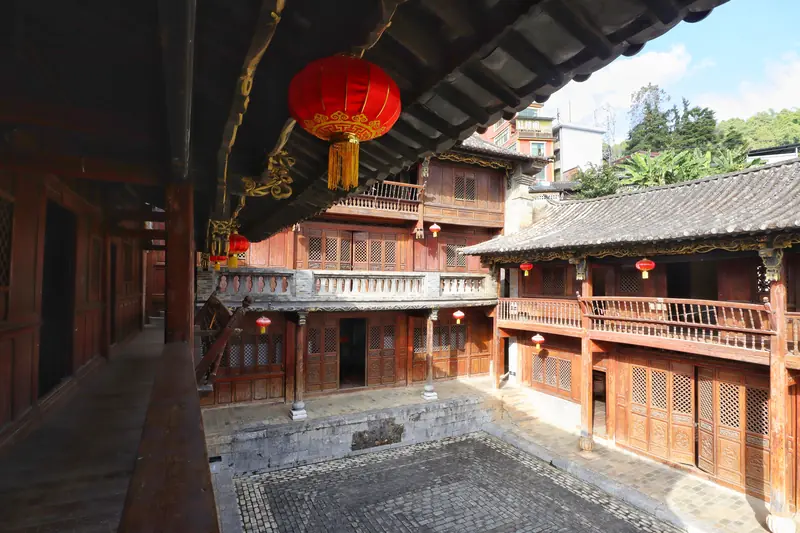
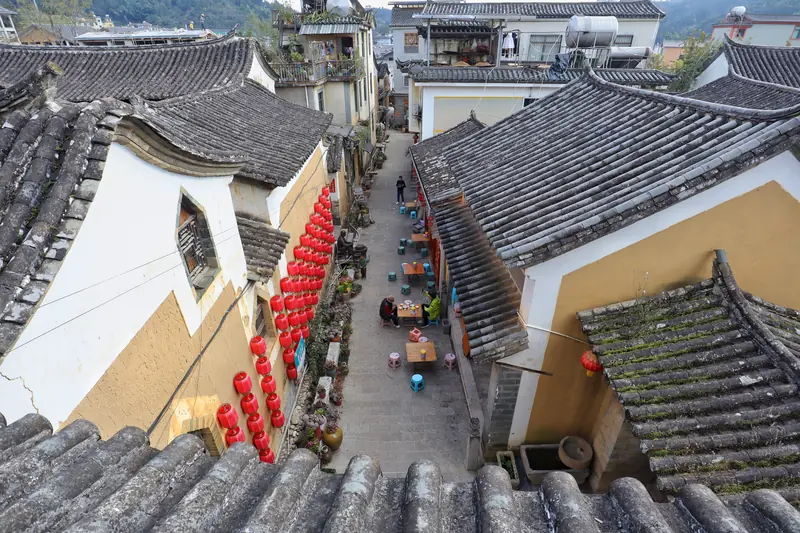
In the afternoon, we will drive from Honghe to an ancient Tea-Horse Road town in Pu’er. This small settlement was once an important stop for traders moving tea, salt, and goods along the historic route connecting Yunnan with regions further west. Many of the old streets, courtyard homes, and traditional shopfronts remain intact, offering a direct look into the daily life of a caravan town from centuries past.
Today, the town is quiet and lightly visited. Most residents continue their routines at an unhurried pace, and the preserved layout of the old streets creates a calm atmosphere that differs from more commercialized historic towns in Yunnan. Walking through the stone lanes, you can still see traces of its trading past, but without crowds or noise.
This visit provides a straightforward and peaceful experience of an authentic Tea-Horse Road community that has retained much of its original character.
Day 8
Check out of your hotel and continue your Yunnan journey at your own pace, or transfer to the airport or train station for your journey home.
We will commence our Southern Yunnan journey in Kunming. Kindly ensure your arrival in Kunming for first dinner and hotel check-in.
We prioritize locally sourced, plant-forward, and organic ingredients, advocating for a low-carbon, eco-friendly, and healthy diet. The meals provided during the tour will predominantly consist of plant-based options, supplemented by select high-quality local non-vegan choices or fully vegan alternatives. We accommodate vegan, vegetarian diets, gluten-free or other requests.
Throughout the tour, public or local-style restroom facilities are accessible, while western-style toilets are predominantly available in hotels and large shopping complexes.
For a more authentic experience and to really support the local business, we usually choose clean, characteristic and comfortable local accommodation over international hotels, but when there are no local options, we would stay in regular local or international hotels. Every room is usually shared by two people. For single room supplement, please consult us prior to booking for pricing.
Ensure you pack comfortable footwear, waterproof hiking boots, a rain jacket, a swimsuit, towels, a toothbrush. Additionally, we suggest bringing along a reusable shopping bag.
Reusable bowls, bamboo chopsticks, spoons will be provided for guests. However, we strongly encourage you to bring your own reusable items.
As part of our eco-friendly initiative, we will furnish you with an eco-travel gift box for use during the tour. This includes items such as a bamboo toothbrush, tooth tablets, and soap bars.
During this tour, our guide will introduce you to our low impact lifestyle. We will assist you in minimizing the use of single-use plastic disposables by encouraging refusal and offering alternatives.
Price List Varies by Group Size
Tour Type: private tour
1500-3000 RMB per person per day
please consult us first about the pricing prior to booking
- All Food and Water(Breakfast, lunch, dinner and snacks)
- All Workshops
- Tickets to all the Sights(included in the tour)
- Experienced Local English-Speaking Guide
- Licensed Electric Car or Van with Professional and Responsible Driver
- Airport or Train Station Pickup
- Accommodation(7 nights)
- Mandatory Insurance
【Price Includes】
- Tips (Optional)
- Souvenirs and Personal Expenses
- International/Domestic Flights or Trains
【Price Excludes】
Interested in a Southern Yunnan Trip
Whether you’re drawn by ethnic minority cultures, slow travel, traditional crafts, ancient trade routes, or immersive nature experiences, we can design a journey that reflects your interests. Expect village stays, local markets, forest hikes guided by villagers, hands-on workshops, and meals shared with families — experiences that offer genuine connection rather than surface-level sightseeing.
Each itinerary is carefully curated, flexible, and paced for depth rather than distance, allowing you to experience Southern Yunnan in an intimate and meaningful way.
📩 Get in touch, and let us create your custom Unbeaten Southern Yunnan trip — a journey into landscapes, cultures, and ways of life rarely seen by outsiders.
- Best Season: Southern Yunnan can be visited year-round thanks to its warm climate. The dry season (October–April) offers comfortable travel conditions and clear mountain views, while the rainy season (June–September) transforms the region into a lush green world — ideal for rainforest walks, tea landscapes, vibrant ethnic markets, and seasonal harvests.